How to Identify Wearing Parts in Your Air Filter System
Key Takeaways
- Understanding the components of air filter parts is crucial for maintenance.
- Automatic Roll Air Filters are efficient in managing particulate control.
- Regular monitoring of differential pressure can indicate when to replace parts.
- Choosing the right air filter system can enhance energy savings.
- Proper installation location significantly affects air filter performance.
- Mistakes in selection can lead to increased maintenance costs.
- Real-world applications show the effectiveness of advanced air filtration systems.
- Airflow Range: Tailor your filter choice based on desired airflow requirements.
- Face Velocity: Ensure the filter can handle the face velocity of your HVAC system to maintain efficiency.
- Media Width/Length: Match the media dimensions to the configuration of your system for optimal performance.
- Frame Size: Standardize frame sizes that accommodate the filter’s installation requirements.
- Control Options: Explore options such as manual, timer-based, or automatic control to suit operational needs.
- Power Supply: Confirm that your site can support the filter’s power requirements.
- Installation Location: Position filters correctly in fresh air intake, return air, or process applications to achieve maximum efficiency.
- Incorrect Filter Size: Always verify dimensions before ordering.
- Ignoring Maintenance Alerts: Implement a monitoring system for differential pressure.
- Selecting Low-Quality Filters: Opt for recognized brands like CloverFilter for reliable air filter parts.
- Neglecting Installation Guidelines: Follow manufacturer instructions for installation locations.
- Overlooking Airflow Requirements: Conduct airflow assessments to match filter performance.
- Poor Media Type Selection: Understand the pollutants in your environment for effective particulate control.
- Underestimating Power Requirements: Ensure electrical supply matches filter specifications to prevent failures.
-
Data Center: A data center implemented CloverFilter’s Automatic Roll Air Filter at the fresh air intake. By maintaining strict particulate control, they reduced cooling costs by 20% while ensuring optimal equipment performance.
-
Battery Factory: In a lithium battery manufacturing environment, proper filtration is crucial to avoid contamination. They switched to an Automatic Roll Air Filter, leading to a 30% restoration in air quality and reduced maintenance time.
-
Paint Shop: An industrial paint booth faced issues with volatile organic compounds. By installing CloverFilter filters, they were able to manage particulate levels effectively, enhancing both air quality and safety compliance.
-
Textile/Steel/Cement Plant: These heavy industries benefited from the robust design of CloverFilter products, which minimized maintenance downtime and improved air cleanliness, aligning with ISO 16890 standards for particulate control.

What is an Automatic Roll Air Filter?
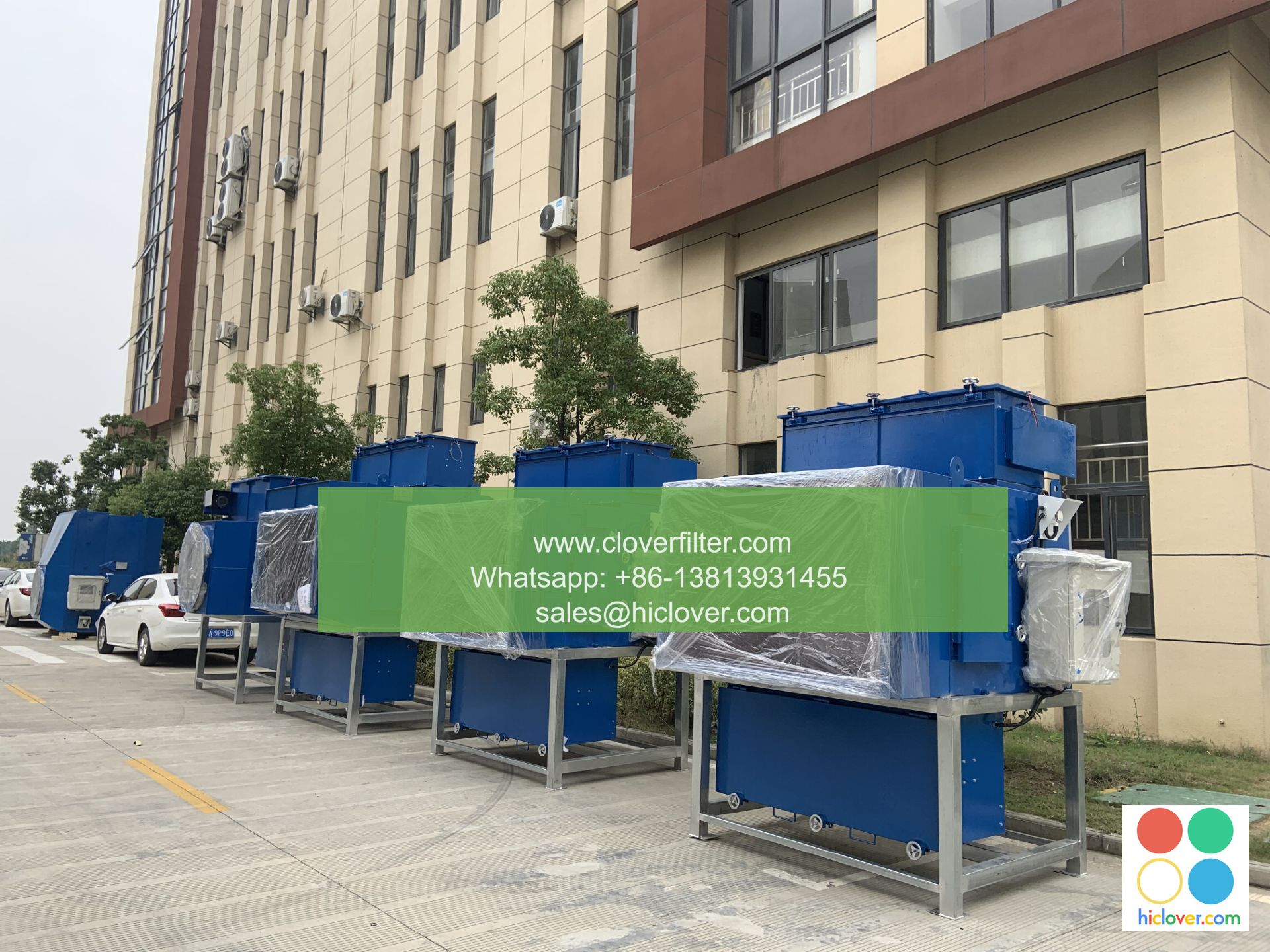
An Automatic Roll Air Filter is a cutting-edge solution designed for industrial environments requiring high levels of air filtration. Unlike traditional bag or panel filters, this system utilizes a roll media that advances automatically, allowing for efficient utilization of the filter material.

The operation is based on roll media advance logic, which is triggered by differential pressure. When the pressure exceeds a predetermined limit, the filter media automatically rolls out, exposing a new, clean section of the filter. This process minimizes manual maintenance, often operated on a timer mode to maximize efficiency and reduce the potential for downtime.
In HVAC (Heating, Ventilation, and Air Conditioning) systems, especially in AHUs (Air Handling Units), the Automatic Roll Air Filter is ideally situated at fresh air intakes or return air. This placement helps ensure that particulate control is maintained, enhancing indoor air quality.
Practical Selection Guide for Air Filter Parts
When selecting air filter parts for your system, consider the following factors:
Comparison of Air Filter Types
| Filter Type | Best Use Case | Maintenance | Pressure Drop Behavior | Operating Cost | Typical Risk/Downside |
|---|---|---|---|---|---|
| Automatic Roll Air Filter | High-capacity, variable loads | Low, automatic rolling | Steady | Moderate energy savings | Initial cost higher |
| Bag Filter | General industrial applications | Moderate, requires periodic change | Fluctuating | Low initial cost | Space-consuming |
| Panel Filter | Residential & light commercial | High, frequent changes | Low | Low initial cost | Less effective in high dust |
| V-bank Filter | Pre-filter in high particulate areas | Moderate, can be difficult to clean | Steady | Moderate | Installation complexity |
Common Mistakes & How to Avoid Them
Real-World Scenarios
FAQ
Q1: How frequently should I check the air filter parts?
A1: Regular checks are recommended, but it’s essential to monitor differential pressure to determine replacement intervals.
Q2: What’s the lifespan of an Automatic Roll Air Filter?
A2: Lifespan can vary based on application conditions but typically ranges from several months to a year.
Q3: Can I install the filter myself?
A3: While installation is straightforward, professional installation ensures optimal performance and compliance with manufacturer guidelines.
Q4: What are the benefits of using an Automatic Roll Air Filter?
A4: Benefits include reduced maintenance, improved air quality, and increased operational efficiency.
Q5: Are there any specific certifications for air filters?
A5: While many filters comply with various industry standards such as ISO 16890 or MERV, exact certifications should be verified with the manufacturer.
Q6: How do I know which filter is best for my facility?
A6: Assess your facility’s specific air quality needs, airflow requirements, and contaminant types before making a decision.
By understanding how to identify wearing parts in your air filter system, procurement managers, and facility managers can ensure effective operation and maintenance.
Meta Description: Learn how to identify wearing parts in your air filter system to maintain efficiency and ensure effective air quality management.
Ensure your air filtration systems are up to standard with CloverFilter. For assistance or to learn more about our products, visit CloverFilter.
It looks like you entered “Prompt.” What kind of prompt are you looking for? Are you interested in a writing prompt, a discussion topic, or something else? Let me know how I can assist you!
