How to Measure Air Filter Quality: A Guide
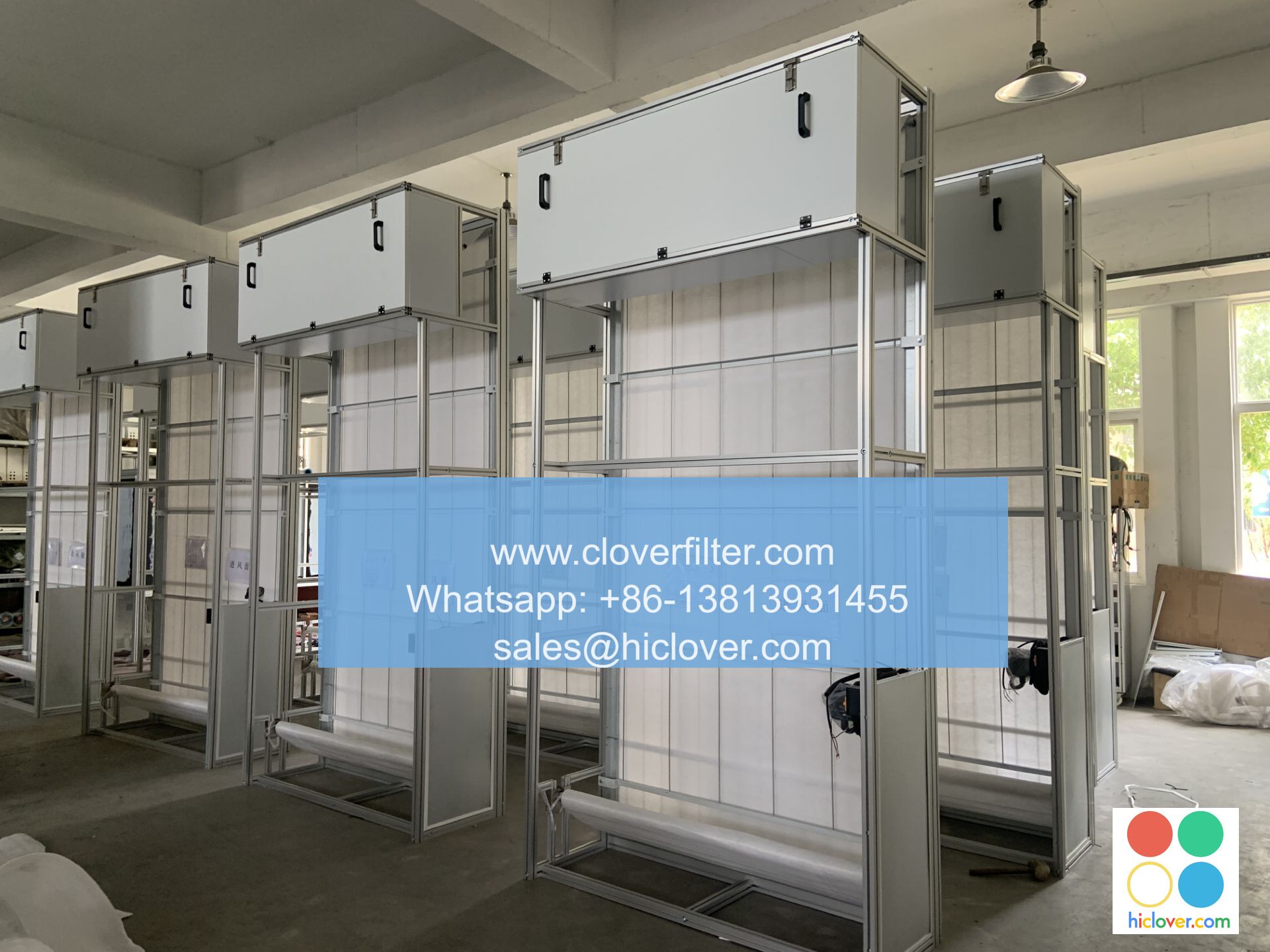
Measuring air filter quality is crucial in various application areas, including indoor air quality (IAQ), heating, ventilation, and air conditioning (HVAC) systems, and air pollution control. A high-quality air filter can significantly improve the overall air quality, reduce energy consumption, and extend the lifespan of equipment. In this article, we will discuss the different methods to measure air filter quality, including mercury porosimetry, gas adsorption, and scanning electron microscopy (SEM).
Introduction to Air Filter Quality
Air filter quality is determined by its ability to capture particles and contaminants, such as particulate matter (PM), volatile organic compounds (VOCs), and gases. The quality of an air filter is typically measured by its filtration efficiency, pressure drop, and service life. A good air filter should have a high filtration efficiency, low pressure drop, and long service life.
Methods to Measure Air Filter Quality
There are several methods to measure air filter quality, including:
* MERcury Porosimetry: This method uses mercury to measure the pore size distribution of the air filter. By analyzing the pore size distribution, manufacturers can determine the filter’s ability to capture particles of different sizes.
* Gas Adsorption: This method measures the air filter’s ability to adsorb gases, such as nitrogen and argon. By analyzing the adsorption isotherm, manufacturers can determine the filter’s surface area and pore volume.
* Scanning Electron Microscopy (SEM): This method uses a scanning electron microscope to visualize the air filter’s surface morphology and fiber structure. By analyzing the images, manufacturers can determine the filter’s fiber diameter, fiber length, and packing density.
Applications of Air Filter Quality Measurement
Measuring air filter quality is essential in various application areas, including:
* Indoor Air Quality (IAQ): Measuring air filter quality is crucial in maintaining good indoor air quality. A high-quality air filter can capture particles and contaminants, improving the overall air quality and reducing the risk of respiratory diseases.
* Heating, Ventilation, and Air Conditioning (HVAC) Systems: Measuring air filter quality is essential in HVAC systems, as a high-quality air filter can improve the system’s energy efficiency and reduce maintenance costs.
* Air Pollution Control: Measuring air filter quality is critical in air pollution control, as a high-quality air filter can capture particulate matter (PM) and gases, reducing the risk of environmental pollution.

Conclusion
Measuring air filter quality is a critical process in various application areas, including indoor air quality, HVAC systems, and air pollution control. By using methods such as mercury porosimetry, gas adsorption, and scanning electron microscopy, manufacturers can determine the air filter’s filtration efficiency, pressure drop, and service life. A high-quality air filter can significantly improve the overall air quality, reduce energy consumption, and extend the lifespan of equipment. As the demand for clean air continues to grow, the importance of measuring air filter quality will become increasingly critical in the future.
Key Words: air filter quality, indoor air quality, HVAC systems, air pollution control, mercury porosimetry, gas adsorption, scanning electron microscopy, filtration efficiency, pressure drop, service life, particulate matter, volatile organic compounds, gases. Prompt
