How to Optimize Air Filter Pressure Drop for Better System Performance
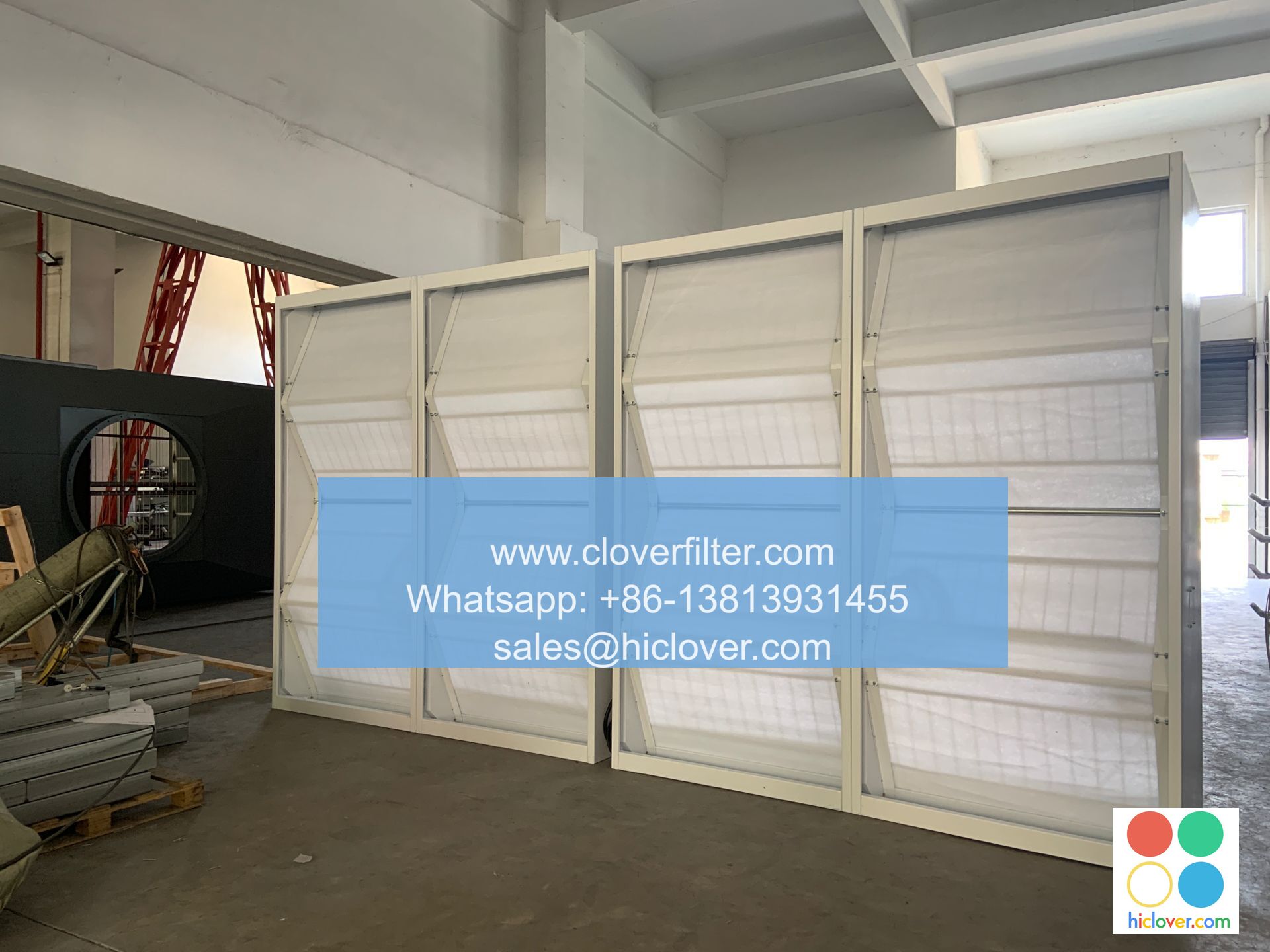
Optimizing Air Filter Pressure Drop for Better System Performance
Introduction

Air filters play a crucial role in ensuring the smooth operation of various systems, including HVAC, industrial process, and military equipment. One often overlooked but vital aspect of air filter design is pressure drop. In this article, we’ll explore the concept of air filter pressure drop, its impact on system performance, and provide guidelines on how to optimize it for better results.
What is Air Filter Pressure Drop?
Pressure drop refers to the reduction in air pressure caused by the flow of air through a filter. It’s measured in inches of water column (inH2O) or millipascals (mPa). The higher the pressure drop, the more energy is required to push air through the filter, which can negatively impact system performance.
Impact of Air Filter Pressure Drop on System Performance

A high-pressure drop can lead to:
- Increased energy consumption and operating costs
- Reduced system capacity and output
- Decreased equipment lifespan due to overheating and wear
- Reduced suction and airflow
Optimization Strategies for Better System Performance
To optimize air filter pressure drop and ensure better system performance, follow these strategies:
Selecting the Right Filter
- Choose filters with a lower pressure drop rating (e.g., 0.5 inH2O or 13.3 mPa)
- Consider custom-built or designed filters for specific applications
- Ensure correct filter size and classification (e.g., G2.5 for residential HVAC systems)
Optimal Filter Installation
- Install filters in the correct orientation (e.g., horizontal for top-pull filters)
- Ensure proper filter sealing and securing
- Regularly inspect and maintain filters to prevent damage and reduce pressure drop
Filter Replacement and Cleaning
- Replace filters regularly to maintain efficiency and prevent damage
- Clean filters as recommended by the manufacturer
- Consider the use of pre-filters for coarser contaminants
System Design and Sizing
- Properly size the filter and system for the specific application
- Consider factors like airflow, velocity, and system pressure drop
- Use computational fluid dynamics (CFD) or scale models for complex system design
Conclusion
Air filter pressure drop is a critical aspect of system performance, and optimizing it can lead to significant benefits. By selecting the right filter, ensuring proper installation, regular replacement and cleaning, and proper system design and sizing, you can reduce energy consumption, increase system capacity, and extend equipment lifespan. Remember to always consider the specific requirements of your application and consult with experts when necessary to achieve optimal results.
Key Takeaways
- Pressure drop reduction is a key component of system optimization
- Strategy selection depends on the specific application and requirements
- Regular maintenance and monitoring are crucial for optimal filter performance
Additional Resources
- American Society of Heating, Refrigerating, and Air-Conditioning Engineers (ASHRAE)
- National Institute for Occupational Safety and Health (NIOSH)
- International Society for Air Filter and Filtration (ISAF)
Call to Action
Optimize your air filter pressure drop today and experience the benefits of reduced energy consumption, increased system capacity, and extended equipment lifespan. Consult with our team of experts to identify the best strategy for your specific application and requirements. [Your Company Name] is committed to helping you achieve optimal system performance and energy efficiency. Contact us today to learn more!
It seems you’ve launched a conversation! What would you like to talk about or ask? I’m here to help.
