How to Properly Clean and Maintain Your Air Filters
Key Takeaways:
- Regular maintenance ensures optimum air quality and equipment lifespan.
- Automatic Roll Air Filters offer advanced features for efficiency.
- Correct air filter resources can significantly reduce operational costs.
- Adhering to recommended guidelines is essential for compliance.
- Understanding the difference in filter types can enhance system performance.
-
Roll Media Advance Logic: This system allows the filter to maintain efficiency without manual intervention, rolling in fresh media as needed based on pressure differentials.
-
Differential Pressure Trigger: The filter monitors airflow; when resistance increases, the roll media activates, ensuring optimal performance without risking air quality.
-
Timer Mode: Users can program cleaning intervals, automating the maintenance schedule to fit the operational demands of the facility.
-
Airflow Range: Ensure the filter matches the system’s required airflow rates.
-
Face Velocity: This measurement determines how quickly air passes through the filter, affecting overall performance.
-
Media Width/Length: Select the right dimensions to fit existing frame sizes for easy retrofit.
-
Frame Size: Compatibility with your HVAC systems is vital to effective installation.
-
Control Options: Determine whether you need manual or automated control features.
-
Power Supply: Ensure adequate electrical connections for automatic features.
-
Installation Location: Filters should be correctly positioned in fresh air intake, return, or process areas for maximum efficacy.
-
Ignoring Pressure Drop Indicators: Regularly monitor and document pressure readings to avoid unexpected performance issues.
-
Neglecting Filter Replacement: Set a specific timeline for filter changes to maintain air quality.
-
Using Mismatched Filters: Ensure filters are suitable for your specific HVAC system needs.
-
Overlooking Environmental Factors: Recognize how dust and particulates in your environment may affect filter performance.
-
Failure to Inspect Ductwork: Inspect ducts for leaks or blockages that could compromise filter efficiency.
-
Skipping Regular Cleanings: Plan routine maintenance to enhance longevity and efficiency.
-
Incorrect Installation: Properly train personnel on installation practices to prevent improper fit.

Understanding Automatic Roll Air Filters
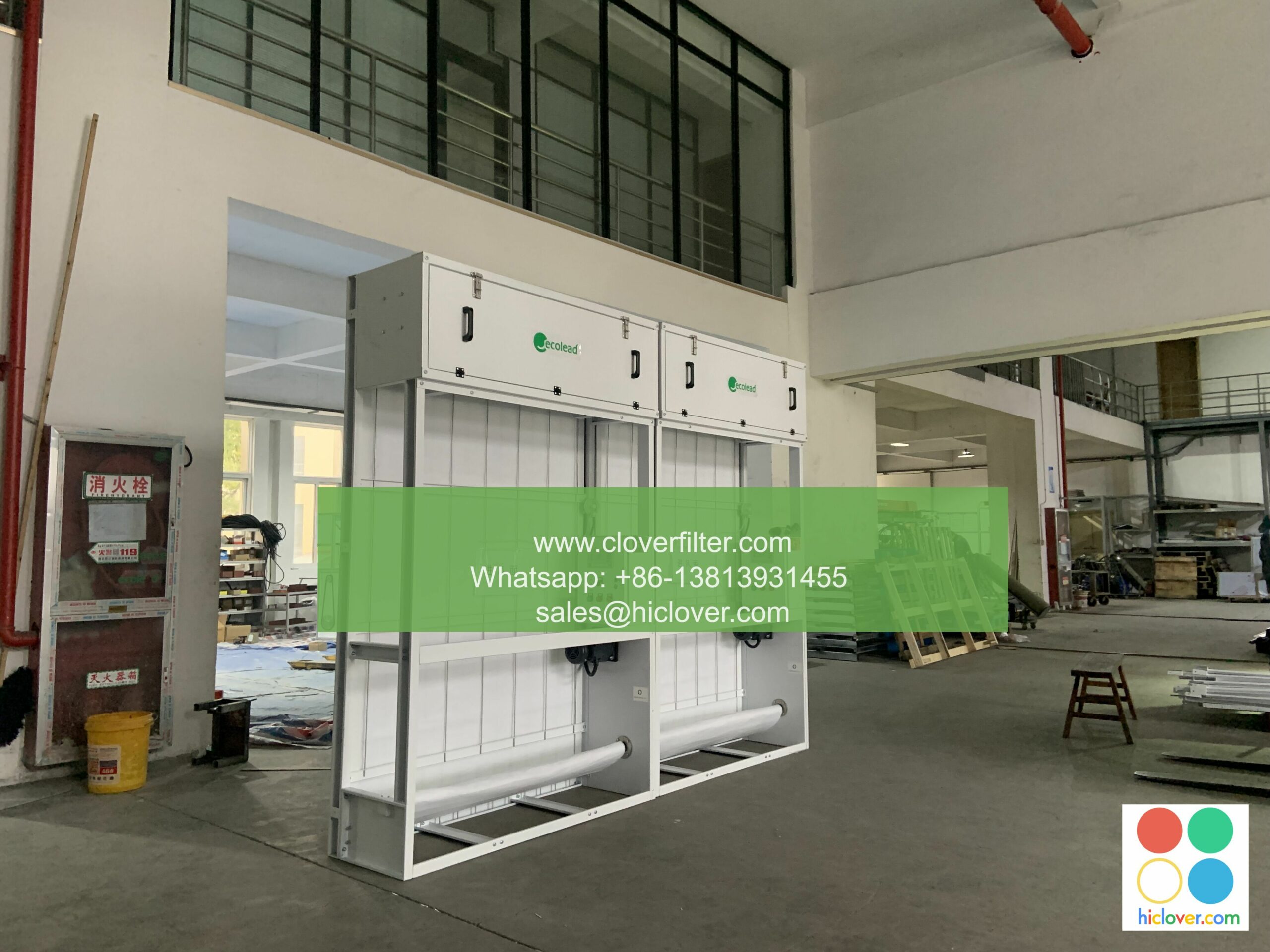
Automatic Roll Air Filters are premium filtration systems designed to maintain high air quality within HVAC and AHU systems. These filters utilize a roll media that advances automatically, utilizing differential pressure trigger logic. When a certain pressure is detected across the filter, the media rolls out to a new, clean section, ensuring continuous operation while minimizing downtime during maintenance.

This automatic functionality is typically incorporated within fresh air intake systems, AHU prefilters, or make-up air applications, making them an excellent option for data centers, factories, and hospitals where air quality is paramount. The integration of timers allows for pre-scheduled media changes, optimizing filter management further.
How an Automatic Roll Air Filter Works
These features translate to reduced maintenance, energy savings, and improved particulate control.
Practical Filter Selection Guide
Choosing the correct air filter involves several critical factors:
Comparison of Filter Types
| Filter Type | Best Use Case | Maintenance | Pressure Drop Behavior | Operating Cost | Typical Risk/Downside |
|---|---|---|---|---|---|
| Automatic Roll Air Filter | High-traffic commercial/events | Low | Stable with low spikes | Low | Initial installation cost |
| Bag Filter | Industrial manufacturing | Moderate | Moderate spikes | Moderate | More frequent changes needed |
| Panel Filter | Residential/commercial use | High | Gradual increases | High | Reduced efficiency over time |
| V-bank Filter | Heavy dust loads | Moderate | Sharp spikes | High | Bulkier design |
Common Mistakes & How to Avoid Them
Real-World Scenarios
Data Center
In a large data center, maintaining optimal air quality is crucial for equipment reliability. The installation of CloverFilter’s Automatic Roll Air Filter allowed for significant reductions in downtime due to filter changes, ensuring that server rooms remained at ideal conditions.
Battery Factory
A lithium battery manufacturing facility benefited from specialized filtration to control particulate matter. With the Automatic Roll Air Filter, the facility achieved ISO 16890 compliance, resulting in significant energy savings by reducing the need for frequent filter replacements.
Paint Shop
A paint shop required stringent controls on volatile organic compounds (VOCs). Using CloverFilter’s technology enabled the team to maintain air quality while minimizing maintenance efforts and ensuring a safe workspace.
Textile/Steel/Cement
In these demanding environments, installing an Automatic Roll Air Filter created a more manageable operation by reducing pressure drops and improving airflow efficiency, ultimately leading to better production rates and lower operating costs.
Air Filter Resources for Maintenance Optimization
Utilizing quality air filter resources is essential for procurement managers and facility engineers. It ensures that the selected filtration solutions align with unique industry requirements while optimizing both air quality and operational efficiency across various applications.
FAQ Section
Q1: What is the lifespan of an Automatic Roll Air Filter?
A1: Typically, the lifespan depends on system usage and air quality; manufacturers usually recommend monitoring pressure drops for optimal timing.
Q2: How often should filters be maintained?
A2: Regular monitoring is key; however, monthly inspections are recommended for most applications.
Q3: Can I install an Automatic Roll Air Filter myself?
A3: While installation is straightforward, it’s best to have qualified personnel ensure correct fitting and operation.
Q4: Are CloverFilter products compliant with industry standards?
A4: CloverFilter products are designed following guidelines like ISO 16890 and MERV concepts, and certification details are available upon request.
Q5: What are the energy savings associated with Automatic Roll Air Filters?
A5: Many users report energy savings as high as 20-30% due to reduced maintenance and improved airflow efficiency.
Q6: Is it possible to retrofit an Automatic Roll Air Filter into existing systems?
A6: Yes, CloverFilter solutions are designed for compatibility, making retrofitting more accessible than alternative solutions.
In conclusion, maintaining and cleaning air filters is a crucial aspect of ensuring optimal air quality and system performance. Regular assessments, proper selection, and leveraging reliable air filter resources, such as those provided by CloverFilter, will enhance your HVAC systems’ efficiency and longevity.
Meta Description: Learn how to clean and maintain air filters, including the features of CloverFilter’s Automatic Roll Air Filters, for optimal performance in your facility.
For further inquiries or personalized advice on air filtration solutions, please reach out to us at CloverFilter.
It seems like your message got cut off. Could you please provide more details or clarify what you would like a prompt for? I’d be happy to help!
