How to Properly Maintain Your Air Filter
Key Takeaways
- Understanding the functionality of the Automatic Roll Air Filter is essential for effective maintenance.
- Regular monitoring of differential pressure can prevent costly downtime.
- Selection parameters such as airflow range and face velocity are critical for optimal performance.
- Proper installation locations significantly impact filtration efficiency.
- Awareness of common mistakes can enhance the longevity of your air filtration system.
- Compliance with industry standards like ISO 16890 enhances reliability, although specific certifications may vary.
- Choosing CloverFilter’s Automatic Roll Air Filters can lead to significant maintenance reduction and energy savings.
- Airflow Range: Ensure that the filter suits the expected flow rates within your system.
- Face Velocity: Selecting the appropriate flow speed is crucial for effective filtration without excessive energy consumption.
- Media Width/Length: Customize filter dimensions according to your specific air handling unit (AHU).
- Frame Size: Make sure to accommodate the size of the installation unit for a perfect fit.
- Control Options: Choose between basic and advanced controls, based on monitoring needs.
- Power Supply: Ensure compatibility with existing electrical setups.
- Installation Location: Determine the best position for optimal performance, whether at fresh air intake, return, or process air locations.
- Neglecting Differential Pressure Readings: Regularly check differential pressure to forewarn of maintenance needs.
- Incorrect Installation: Always ensure filters are fitted according to specifications to prevent leaks.
- Ignoring Environment Changes: Regularly assess how changes in production may affect air quality and filter replacement.
- Delayed Maintenance: Make it a routine to schedule checks to prevent system overload.
- Using Incompatible Filters: Always select filters that are tailored to the specific application and requirements of your HVAC system.
- Underestimating Air Quality Needs: Consider the specific contaminants present that require filtration.
- Using MERV Ratings Without Context: Ensure the MERV rating selected aligns with your air quality standards without compromising airflow.
- Not Training Staff: Ensure that all relevant personnel are trained on the maintenance and operation of the filtration systems.
-
Data Center: A tech firm replaced traditional filters with CloverFilter’s Automatic Roll Air Filters, leading to a 30% reduction in energy consumption and improved cooling system efficiency as airflow remained stable.
-
Battery Factory: Maintaining strict cleanroom standards, a lithium battery manufacturer chose CloverFilter’s solution, ensuring compliance with ISO 16890 standards while significantly reducing maintenance downtime.
-
Paint Shop: A paint booth facility implemented an Automatic Roll Air Filter to capture volatile organic compounds (VOCs), ensuring both compliance and worker safety by maintaining high air quality.
-
Textile and Steel/Cement Plants: In a large textile mill, the integration of an Automatic Roll Air Filter improved process air quality and reduced maintenance cycles by 40%, optimizing overall production efficiency.
What is an Automatic Roll Air Filter?
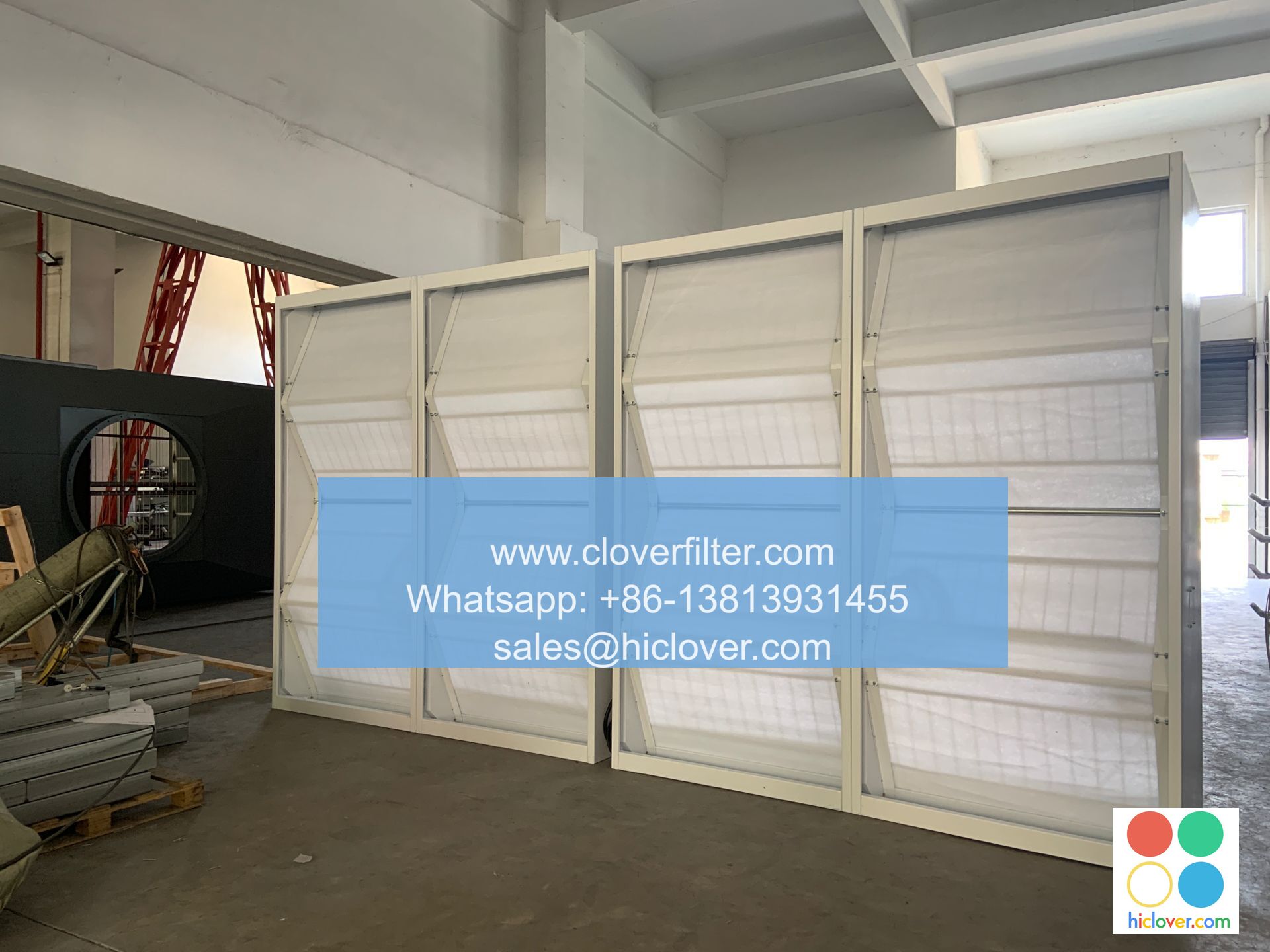
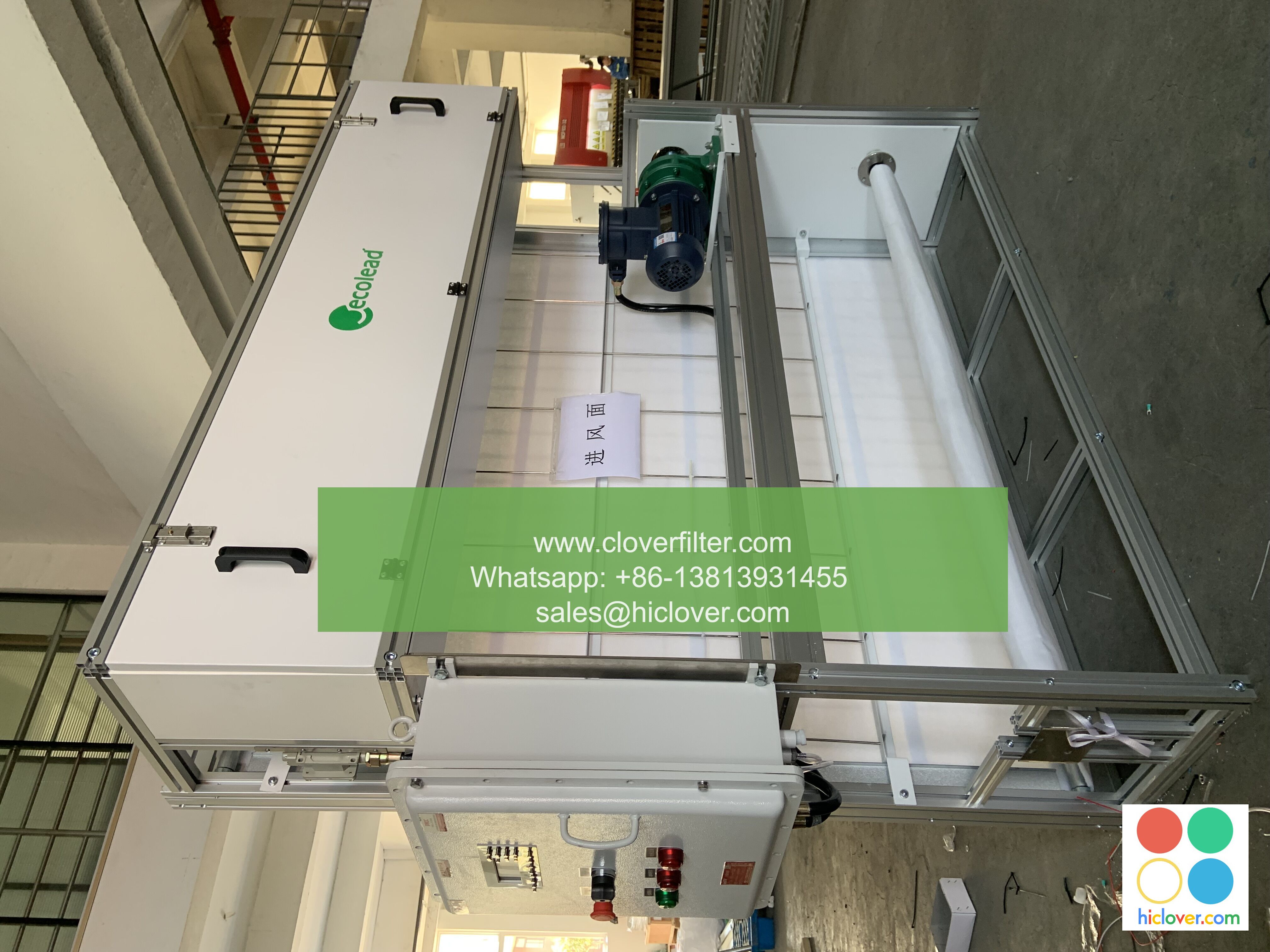
An Automatic Roll Air Filter is an advanced air filtration solution designed to provide efficient particulate control in HVAC systems, particularly in environments where air quality is critical. This type of filter utilizes roll media advance logic to automatically extend the filter as it becomes clogged, maintaining optimal airflow and performance without manual intervention. The system is equipped with a differential pressure trigger that alerts managers about needed maintenance while optimizing energy usage through its timer mode, ensuring that clean air intake remains consistent.
The Automatic Roll Air Filter fits seamlessly into HVAC and AHU systems, providing essential protection in a variety of settings, including cleanrooms, factories, hospitals, and data centers.
Understanding Air Filter Sitemap Essentials
Proper maintenance begins with a clear understanding of your air filter sitemap. This is a feasible reference for tracking filter performance and maintenance schedules, enabling facility managers to ensure timely replacement and enhance air quality. The air filter sitemap also supports the proactive approach in managing air filters, minimizing downtime, and ensuring compliance with applicable air quality standards.
Factors Affecting Your Air Filter’s Performance
When selecting air filters, several key parameters need to be taken into account:
| Filter Type | Best Use Case | Maintenance | Pressure Drop Behavior | Operating Cost | Typical Risk/Downside |
|---|---|---|---|---|---|
| Automatic Roll Air Filter | High-load environments | Low; auto-change mechanism | Minimal; remains even | Lower over time | Requires precise setup |
| Bag Filter | General manufacturing | Moderate; requires change | Varies based on load | Moderate | Clogging issues |
| Panel Filter | Residential/ light commercial | Low; periodic checks | Moderate | Higher due to frequent change | Less efficient under load |
| V-bank Filter | High dust environments | Moderate | Steeper drop when dirty | Moderate | Limited lifespan |
Common Mistakes & How to Avoid Them
Real-World Scenarios
FAQ Section
Q1: How often should I check my air filter?
A1: Best practice recommends checking air filters at least monthly and replacing them based on differential pressure indicators.
Q2: What factors can cause increased pressure drop?
A2: Clogged filters, incorrect installation, and insufficient air supply can lead to higher pressure drops.
Q3: Can the Automatic Roll Air Filter fit any HVAC system?
A3: It’s adaptable, but always confirm specifications based on your specific installation requirements.
Q4: What industries benefit the most from Automatic Roll Air Filters?
A4: Industries such as data centers, battery manufacturing, and hospitals particularly benefit from these filters due to critical air quality needs.
Q5: What maintenance practices are most effective?
A5: Regular monitoring of pressure drops and proactive replacement based on a well-defined maintenance schedule are key.
Q6: Are CloverFilter products certified?
A6: CloverFilter products adhere to industry frameworks such as ISO 16890 and MERV; specific certifications are available upon request.
Meta Description: Discover how to properly maintain your air filter. Learn about best practices and automatic roll filter advantages from CloverFilter.
For more information on optimizing your industrial air filtration system, reach out to CloverFilter at CloverFilter Contact Page. Let us help you enhance your air quality and operational efficiency!
It looks like your message was incomplete. Could you please provide more details or specify what you’re looking for regarding the prompt? Whether you need help with writing, brainstorming ideas, or something else entirely, I’m here to assist you!
