How to Read and Understand Air Filter Labels
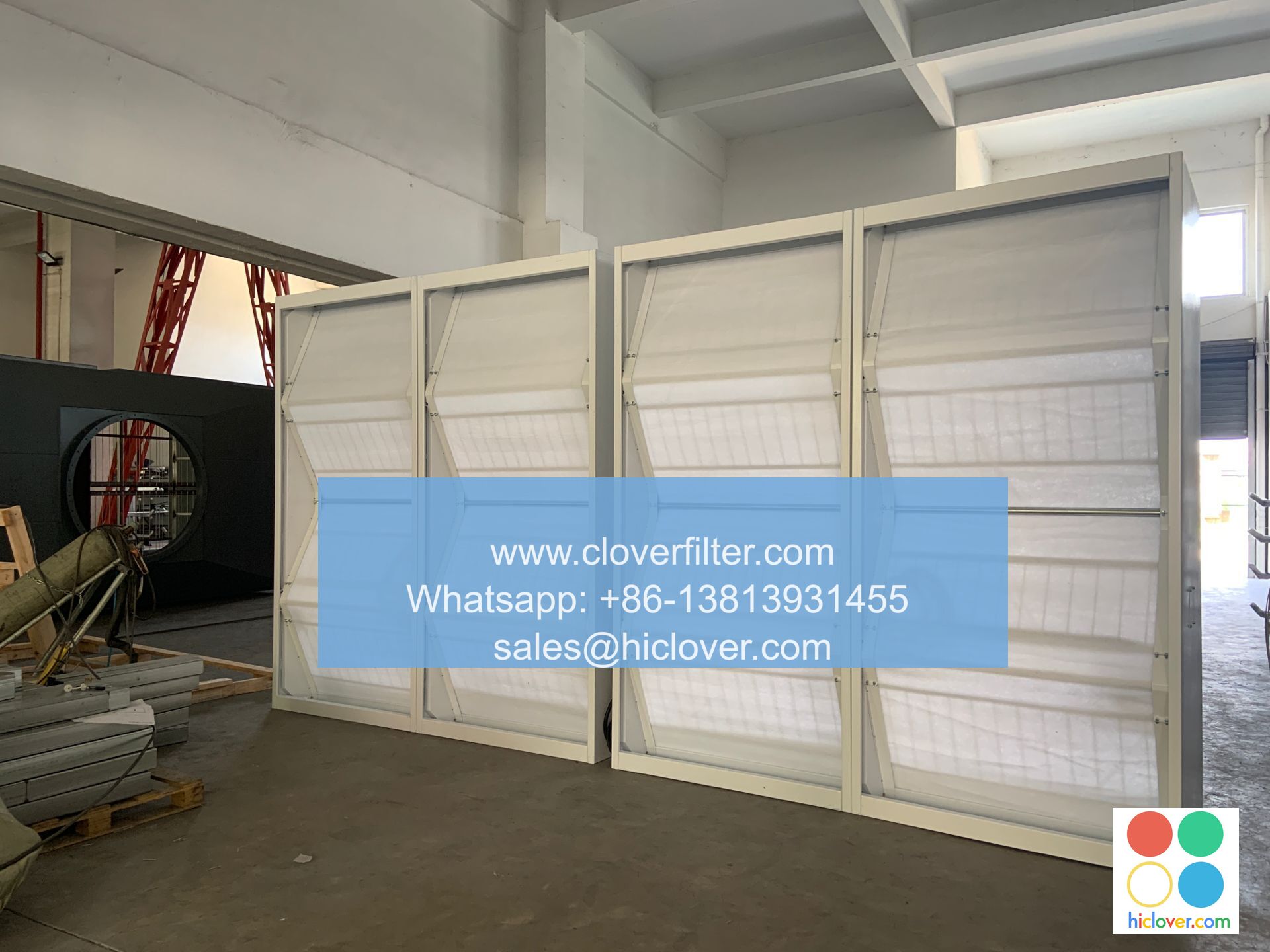
- Understanding air filter terms and conditions is crucial for selecting the right filter.
- Automatic Roll Air Filters offer maintenance reduction and energy savings.
- Know your application to choose the right filter specifications.
- Familiarize yourself with differential pressure and its importance in filter selection.
- Regular filter monitoring can lead to improved system efficiency.
- Airflow Range: Ensure the filter can handle the required cubic feet per minute (CFM) for your system.
- Face Velocity: Determine the appropriate airspeed across the filter media to optimize performance and minimize pressure drop.
- Media Width/Length: Choose the dimensions that fit your system without compromising air quality.
- Frame Size: Select a frame that easily integrates into your existing ductwork or AHU configurations.
- Control Options: Consider electronic or mechanical controls for managing filter status and media advancement.
- Power Supply: Ensure compatibility with your facility’s electrical infrastructure.
- Installation Location: Understand whether the filter fits into fresh air intakes, return air pathways, or process air applications.
- Ignoring the MERV rating: Always check the MERV rating for your needs.
- Overlooking the impact of differential pressure: Monitor pressure drops to prevent system strain.
- Selecting the wrong filter size: Measure accurately to avoid installation issues.
- Skipping maintenance schedules: Regular checks keep systems running efficiently.
- Not considering energy savings: Choose filters that reduce energy use over time.
- Neglecting compatibility with existing ductwork: Ensure filters fit seamlessly into your layout.
- Failing to assess environmental conditions: Tailor your filter choice based on air quality demands.
- Misunderstanding filter lifespan: Know how often to replace or maintain filters based on use.
- Choosing low-cost filters without performance considerations: Balance cost with quality for long-term savings.
- Not consulting with specialists: When in doubt, reach out to manufacturers like CloverFilter for guidance.
-
Data Center: A major data center upgraded to an Automatic Roll Air Filter to maintain optimal humidity and temperature levels while minimizing dust buildup on sensitive equipment. The result was a marked decrease in maintenance costs and improved air quality scores.
-
Battery Factory: In a lithium battery manufacturing plant, the switch to CloverFilter’s Automatic Roll Air Filter facilitated better control of particulate matter and reduced contamination risk, improving overall safety and production efficiency.
-
Paint Shop: A paint booth facility found that transitioning to an automatic filter system reduced overspray contaminants and ensured compliance with local regulations, significantly streamlining operations.
-
Textile/Steel/Cement: A textile mill adopted a continuous roll filter solution to tackle high dust levels. With CloverFilter’s advanced features, the mill achieved a cleaner air environment, resulting in higher worker safety and reduced machinery wear.
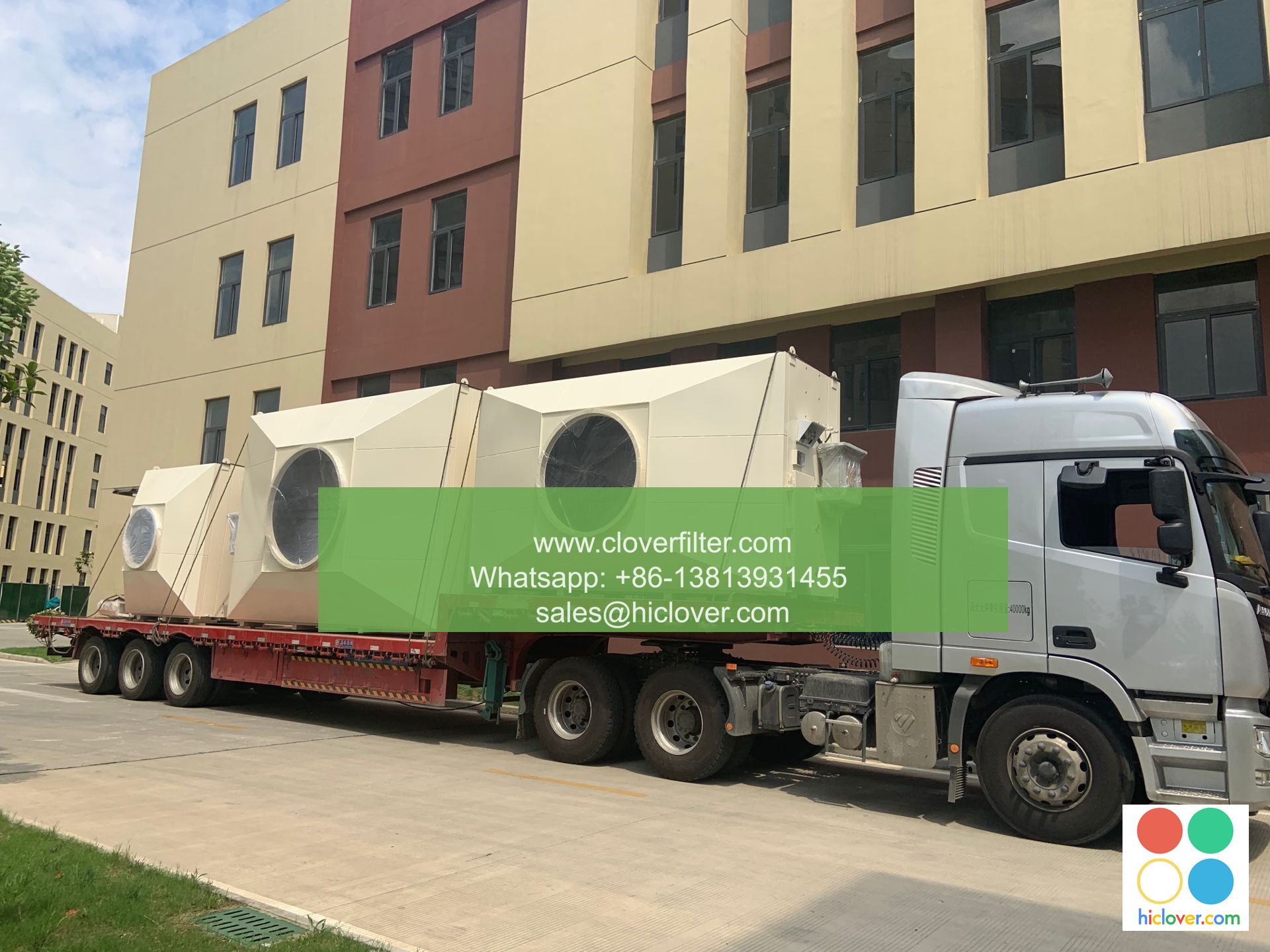
What is an Automatic Roll Air Filter?
An Automatic Roll Air Filter is a type of HVAC air filter that uses a continuous roll media system. This design allows for a higher surface area for airflow, enhancing particulate control and reducing the frequency of filter changes. Airborne particulates are captured as air rolls through the filter media, with advanced logic to trigger the roll media advancement when needed. Typically, this system is integrated into HVAC or AHU setups to improve air quality while minimizing maintenance tasks.
How Does It Work?
The core functionality of the Automatic Roll Air Filter lies in its roll media advance logic. When the incoming airflow reaches a predetermined differential pressure, the filter system automatically adjusts, advancing the roll media to ensure consistent performance. This setup can operate in timer mode, allowing facility managers to set specific time intervals for media advancement based on usage and environmental conditions, making it a flexible solution for various air handling units.

Practical Selection Guide for Automatic Roll Air Filters
When selecting an Automatic Roll Air Filter, consider:
Comparison Table of Air Filters
| Filter Type | Best Use Case | Maintenance | Pressure Drop Behavior | Operating Cost | Typical Risk/Downside |
|---|---|---|---|---|---|
| Automatic Roll Air Filter | Cleanrooms, data centers | Low | Consistent | Moderate | Requires monitoring of media life |
| Bag Filter | General industrial applications | Medium | Moderate | Low to moderate | Limited efficiency at low velocities |
| Panel Filter | Comfort cooling in commercial settings | Low | High | Low | Short lifespan in high dust areas |
| V-Bank Filter | Large scale air handling | Medium to high | Varies depending on design | Moderate to high | Expensive replacement costs |
Common Mistakes & How to Avoid Them
Real-World Scenarios
Air Filter Terms and Conditions
Understanding air filter terms and conditions not only helps procurement managers make informed decisions but also directly impacts maintenance and operational costs. Familiarizing yourself with these terms will empower you to choose the best filtration solutions for your facility.
For more information on enhancing your air filtration system with CloverFilter, visit CloverFilter for detailed specifications and guidance tailored to your industrial needs.
Meta Description: Learn how to read and understand air filter labels. Discover the importance of air filter terms and conditions for better HVAC selection.
Take control of your air quality and filtration strategies with CloverFilter by reaching out to us at CloverFilter Contact.
It seems like your message got cut off! Could you please provide more details or clarify what you would like to know or discuss? I’m here to help!
