How to Reduce Energy Costs with Commercial Air Filters
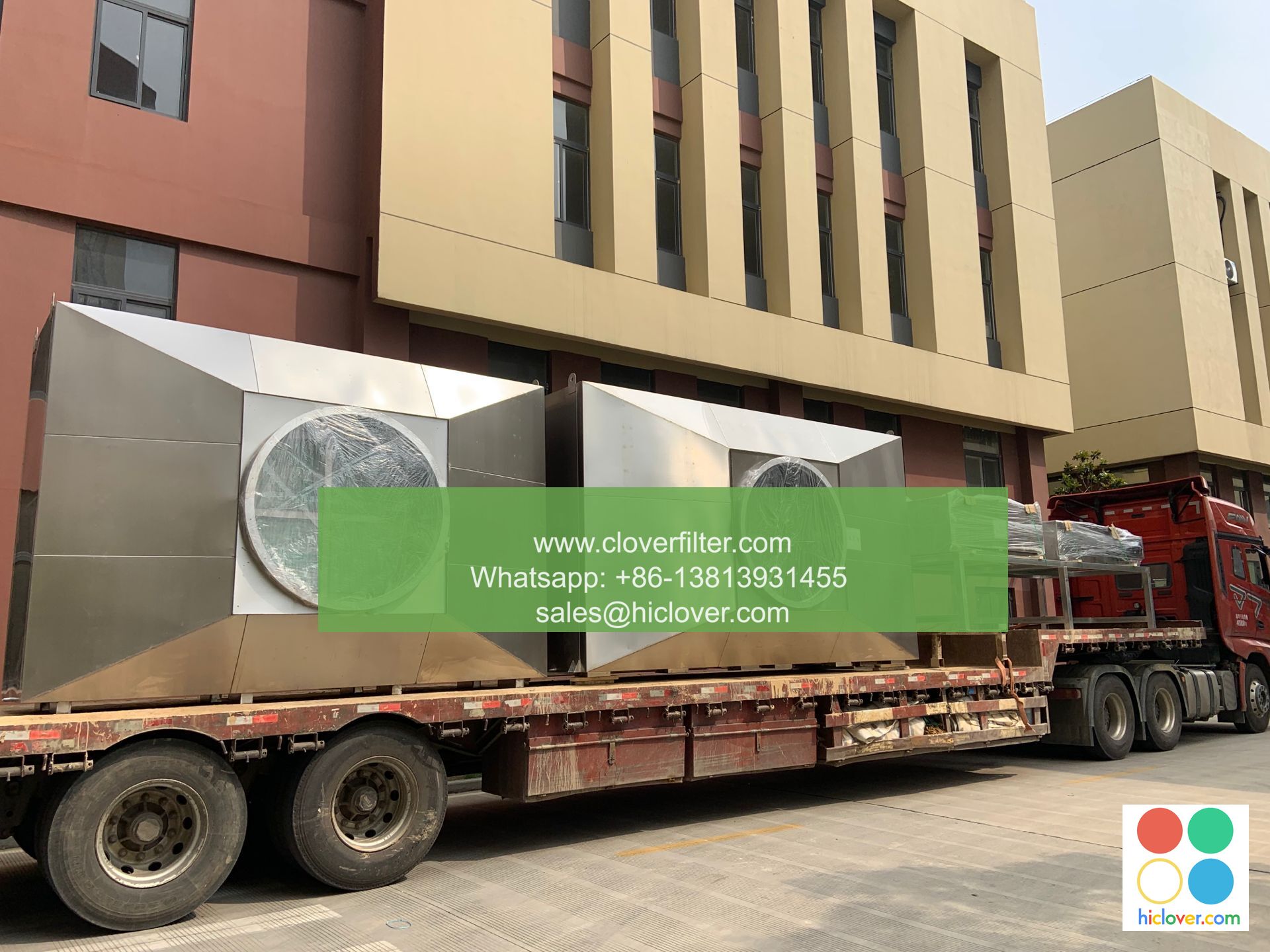
As energy prices continue to rise, businesses are constantly seeking effective solutions to reduce energy costs. One innovative method involves the use of commercial air filters. These filters not only improve indoor air quality but also play a crucial role in enhancing the efficiency of HVAC systems. In this article, we will explore how implementing high-quality air filters can significantly lower your energy expenses.
The Importance of Air Quality in Energy Management

Maintaining optimal air quality is essential for any commercial space. Poor air quality can lead to increased energy consumption as HVAC systems struggle to maintain suitable temperatures. By investing in commercial air filters, businesses can ensure cleaner air and more efficient HVAC performance, thus resulting in lower energy costs.
How Air Filters Impact Energy Costs
Air filters are designed to trap dust, allergens, and other airborne particles. When filters become clogged, they impede airflow, forcing HVAC systems to work harder. By regularly replacing or upgrading your filters, you can:
- Enhance Airflow: Clean filters allow air to flow freely, enabling HVAC systems to operate at maximum efficiency.
- Reduce Energy Consumption: Efficient operation often results in reduced energy usage, which can translate into substantial savings on utility bills.
- Extend Equipment Lifespan: By reducing the workload on HVAC systems, high-efficiency filters can prolong the life of your equipment, thereby decreasing replacement costs.
- Filter Type: High-efficiency particulate air (HEPA) filters are effective for capturing fine particles and pollutants.
- MERV Rating: The Minimum Efficiency Reporting Value (MERV) indicates a filter’s effectiveness; opt for filters with a higher MERV rating for better performance.
- Replacement Frequency: Regular maintenance and timely filter replacements are essential for achieving optimal energy efficiency.
Choosing the Right Commercial Air Filters
Not all air filters are created equal. When selecting filters for your commercial space, consider the following:
Application Areas for Commercial Air Filters
Implementing effective air filtration can be beneficial across various sectors:
1. Office Buildings
In office environments, maintaining air quality is crucial for employee productivity and health. Using high-quality air filters can reduce dust and allergens, improving overall workplace comfort.
2. Manufacturing Facilities
Manufacturing processes often generate particulate matter and chemicals. Commercial air filters can help mitigate these pollutants, ensuring worker safety and enhancing operational efficiency.
3. Healthcare Facilities
In healthcare settings, air quality is paramount. HEPA filters are essential in hospitals and clinics, significantly reducing the risk of airborne infections while simultaneously lowering energy consumption in HVAC systems.
4. Retail Spaces
Retail environments can benefit from improved air quality, as it impacts customer experience. Clean air filters contribute to a more pleasant shopping atmosphere while saving on energy bills.
Conclusion
Reducing energy costs in commercial spaces can be a challenging task, but implementing quality commercial air filters can be a game-changer. Not only do these filters enhance air quality, but they also improve HVAC efficiency and reduce energy consumption significantly. By choosing the right filters and maintaining them regularly, businesses can achieve a healthier indoor environment while enjoying substantial cost savings.
Sure! Please provide more details about the prompt or topic you’d like to discuss or explore.
