How to Replace an Air Filter: A DIY Guide
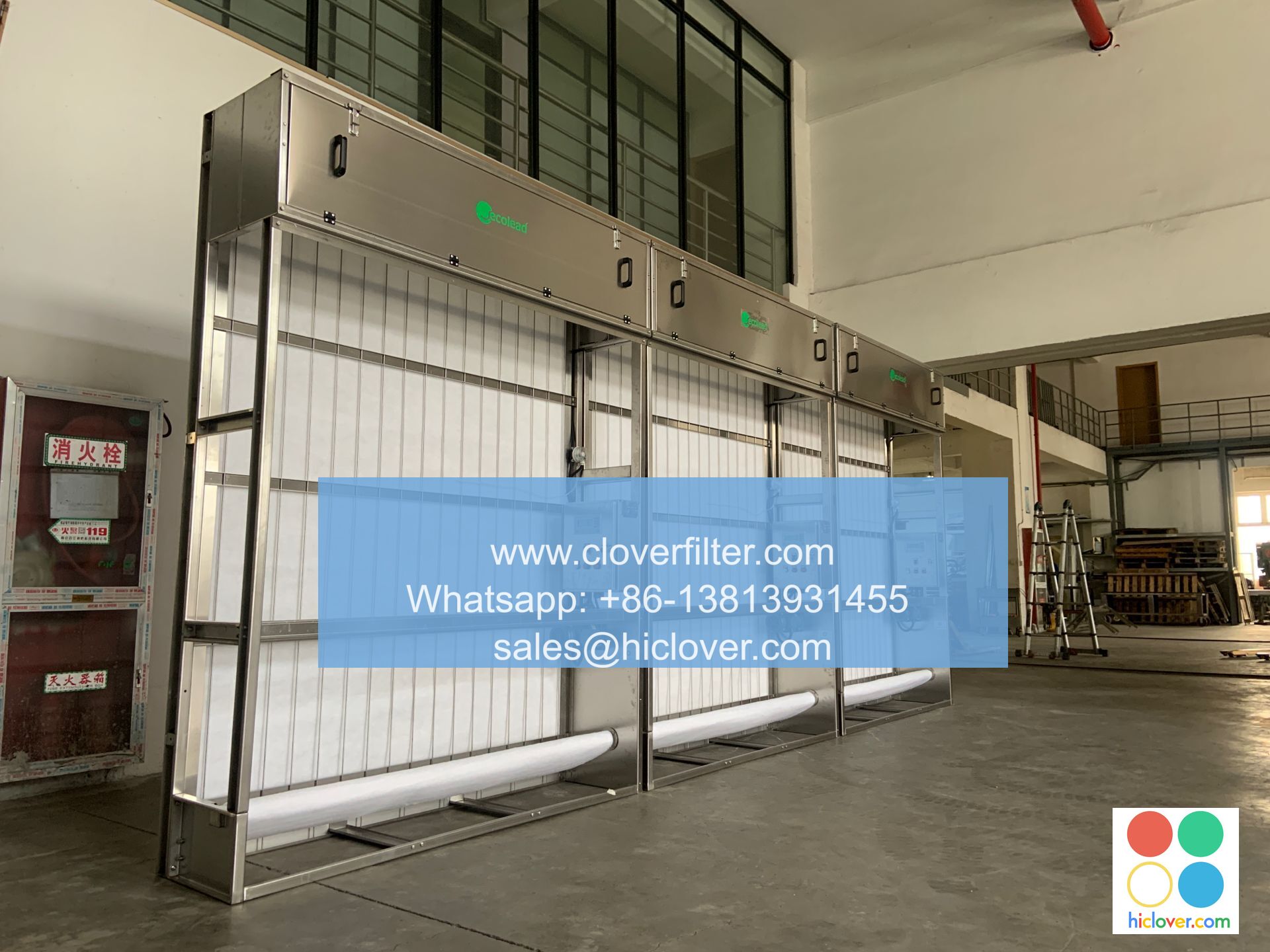
Replacing an air filter is a simple and essential home maintenance task that can improve the indoor air quality and increase the efficiency of your heating, ventilation, and air conditioning (HVAC) system. In this article, we will walk you through the steps to replace an air filter and highlight the key benefits of doing so.
Why Replace Your Air Filter?

A dirty air filter can lead to a range of problems, including reduced airflow, increased energy bills, and poor indoor air quality. By replacing your air filter regularly, you can:
- Improve the efficiency of your HVAC system
- Reduce energy consumption and lower your utility bills
- Enhance indoor air quality and reduce the risk of allergies and respiratory problems
- Prolong the life of your HVAC system
Choosing the Right Air Filter
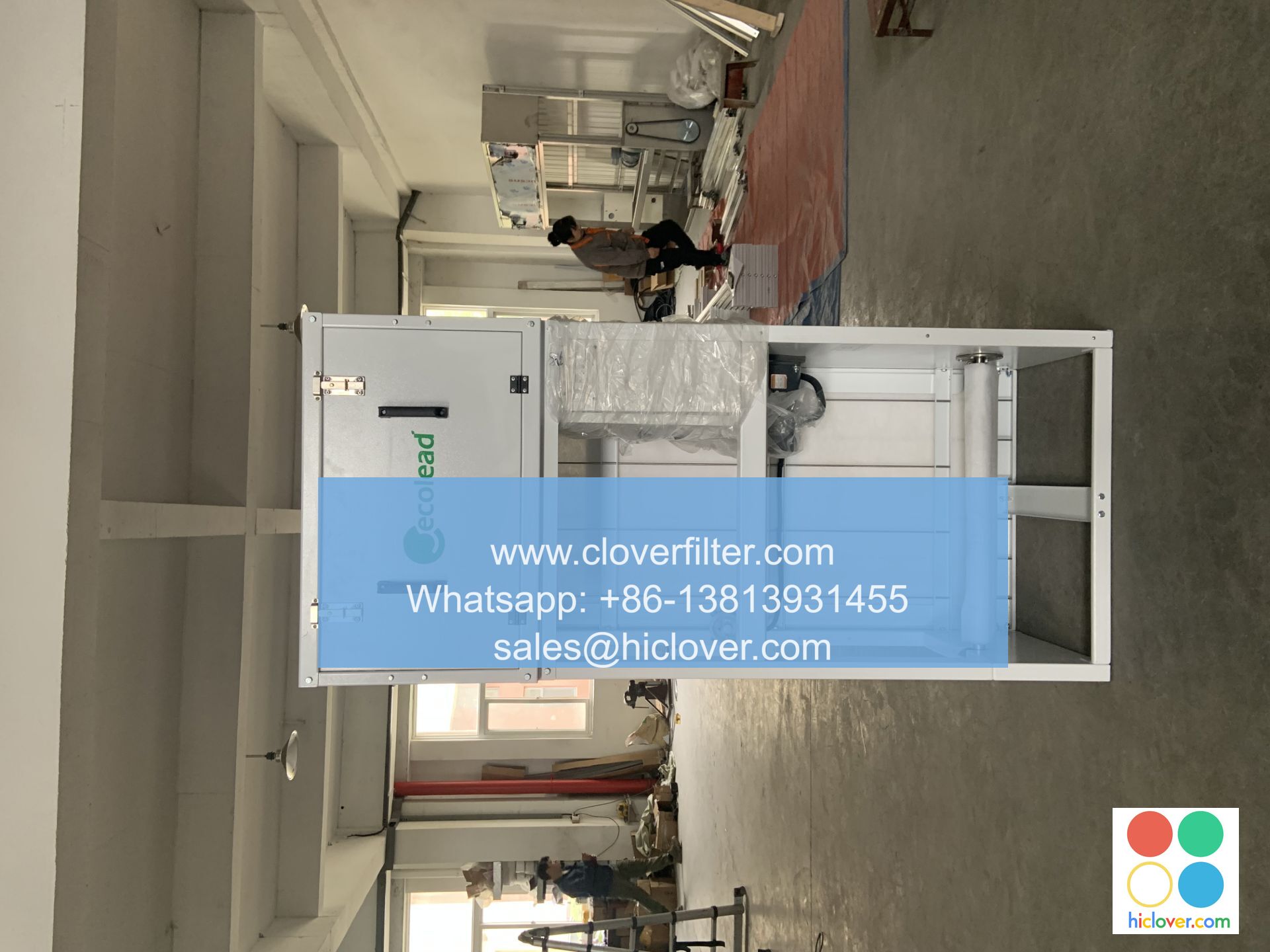
With so many air filter options available, it can be difficult to choose the right one for your home or commercial space. Consider the following factors when selecting a replacement air filter:
- MERV rating: Choose a filter with a high Minimum Efficiency Reporting Value (MERV) rating for improved air filtration
- Filter size: Ensure the replacement filter is the correct size for your HVAC system
- Filter type: Consider fiberglass, pleated, or activated carbon filters for different application areas
Step-by-Step Guide to Replacing an Air Filter
Replacing an air filter is a relatively simple process that can be completed in a few minutes. Follow these steps:
- Turn off your HVAC system: Switch off your furnace, air conditioner, or heat pump to prevent any accidental start-ups during the replacement process.
- Locate the air filter: Find the air filter housing or filter compartment in your HVAC system. This is usually located in a basement, attic, or utility closet.
- Remove the old filter: Pull out the old air filter and dispose of it properly.
- Inspect and clean the filter housing: Check the filter housing for any debris or dust and clean it out with a vacuum cleaner or soft brush.
- Install the new filter: Insert the new air filter into the filter housing, making sure it is properly seated and secure.
- Replace the filter housing: Put the filter housing back in place and secure it with any screws or clips.
Application Areas for Air Filters
Air filters are used in a variety of application areas, including:
- Residential homes: Improve indoor air quality and reduce allergy symptoms
- Commercial spaces: Enhance indoor air quality and improve worker productivity
- Industrial settings: Protect equipment and machinery from dust and debris
- Healthcare facilities: Maintain sterile environments and prevent the spread of infections
By following these simple steps and choosing the right air filter for your application area, you can improve the indoor air quality, reduce energy consumption, and prolong the life of your HVAC system. Remember to replace your air filter regularly to maintain optimal performance and air quality.
It seems like you forgot to include the actual prompt. Could you please provide more details or specify what you need help with? I’m here to assist you with any questions or topics you’d like to discuss!
