How to Troubleshoot Air Filter Corrosion and Damage: A Tutorial
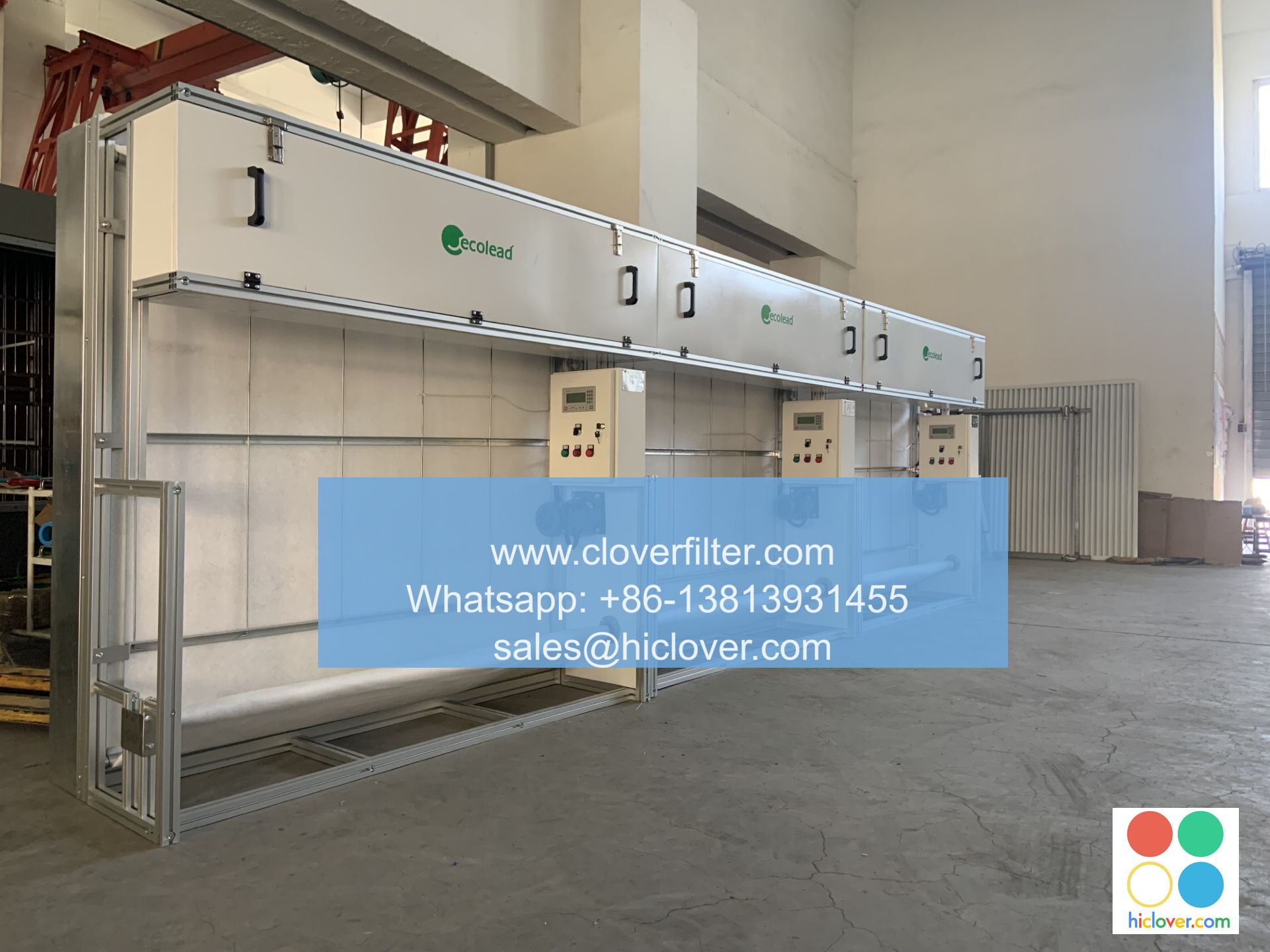

Understanding Air Filters
Air filters are crucial components in various systems, including HVAC units, automotive engines, and industrial machinery. They play a key role in maintaining air quality and ensuring that machinery operates efficiently. Over time, however, air filters can suffer from corrosion and damage, leading to compromised performance and decreased longevity. This tutorial aims to guide you through the steps necessary to troubleshoot and resolve issues related to air filter corrosion and damage.
Identifying Signs of Corrosion and Damage
The first step in troubleshooting air filter issues is to recognize the signs of corrosion and damage. Look for the following indicators:
- Physical Damage: Cracks, holes, or tears in the filter material.
- Discoloration: Rust or a change in color indicating corrosion.
- Debris Accumulation: Excessive dust or dirt buildup that hinders airflow.
- Unpleasant Odors: Foul smells emanating from the filter area may indicate decay.
- Moisture Exposure: High humidity and water leaks can lead to corrosion, especially in metal filters.
- Poor Maintenance: Neglecting regular filter changes and cleaning can accelerate wear and tear.
- Pollutants: Chemicals or oily substances in the air can corrode filter materials.
- Environmental Factors: Proximity to saltwater or industrial pollutants can exacerbate rusting.
- Inspect the Filter: Remove the air filter and conduct a thorough visual inspection for signs of damage or corrosion.
- Check for Moisture: Identify potential sources of moisture and rectify any leaks or humidity issues in the environment.
- Clean the Filter: If the filter is reusable, clean it according to the manufacturer’s guidelines to remove debris and contaminants.
- Replace the Filter: In cases of severe damage or corrosion, replacing the filter may be necessary to ensure optimal performance.
- Enhance Maintenance Regimen: Establish a routine maintenance schedule that includes regular inspections and filter replacements.
- HVAC Systems: Ensuring clean and functional filters helps maintain air quality and energy efficiency in residential and commercial buildings.
- Automotive Engines: Regular checks on engine air filters can enhance performance and fuel efficiency while reducing emissions.
- Industrial Equipment: In manufacturing settings, keeping air filters in good condition prevents costly machinery breakdowns and enhances air safety for workers.
- Aerospace: Proper filter management is critical for ensuring the safety and reliability of aircraft systems.
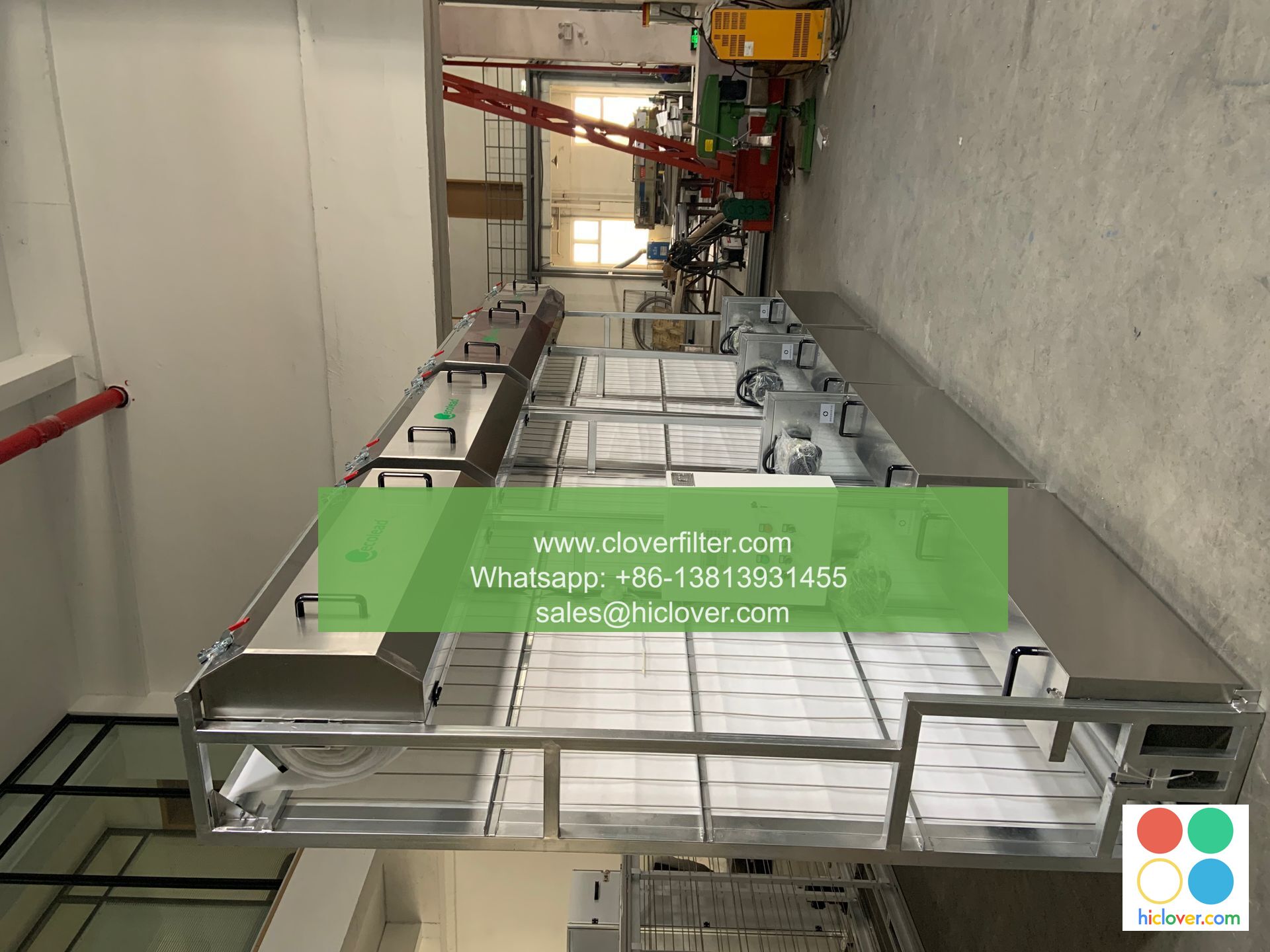
Causes of Air Filter Corrosion
Understanding the causes of air filter corrosion is essential for effective troubleshooting. Common causes include:
Steps to Troubleshoot Corroded Air Filters
When faced with corrosion issues, follow these troubleshooting steps to restore your air filter’s functionality:
Application Areas
Proper air filter maintenance and troubleshooting can have significant benefits across various application areas:
Conclusion
Troubleshooting air filter corrosion and damage is essential for maintaining air quality and the longevity of systems that depend on clean air. By following the steps outlined in this tutorial, you can effectively identify and address issues to ensure optimal performance in various applications. Regular maintenance and vigilance are key to preventing corrosion and ensuring that your air filters function appropriately for years to come.
It looks like you entered “Prompt,” but didn’t specify what you’re looking for. Could you please provide more details or clarify what you need assistance with? Whether you need writing prompts, questions for an essay, or something else entirely, I’m here to help!
