How to Troubleshoot Air Filter Leaks and Damage: A Tutorial
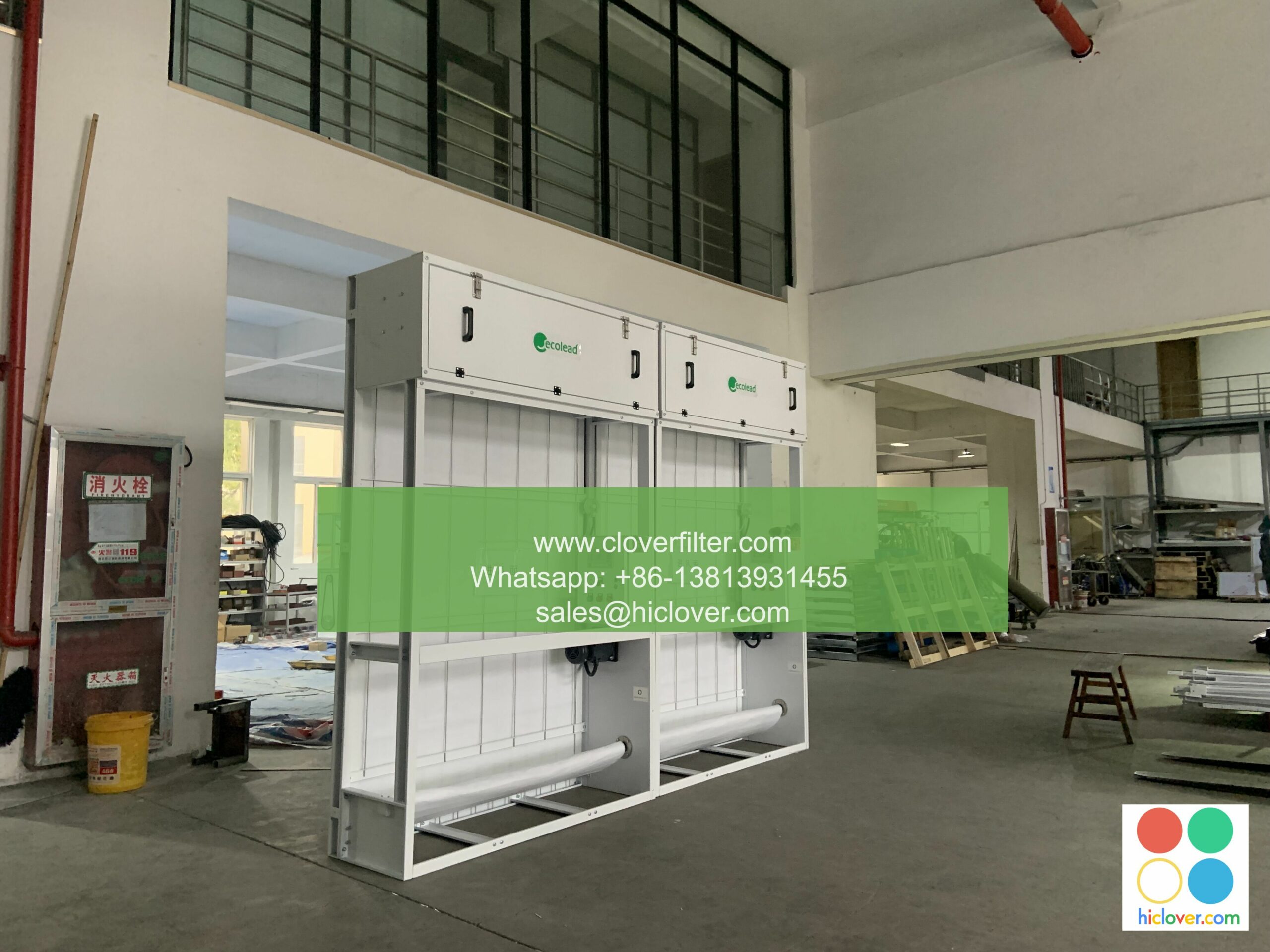
Maintaining an efficient air filtration system is crucial for both indoor air quality and optimal performance in various application areas including residential, commercial, and automotive contexts. This article will guide you through the essential steps to troubleshoot air filter leaks and damage, ensuring a cleaner environment and improved system efficiency.
Understanding Air Filter Importance

Air filters play a pivotal role in:
- Removing contaminants from the air
- Enhancing HVAC system efficiency
- Protecting sensitive equipment
Identifying and resolving leaks or damage in air filters is essential for maintaining these benefits. Let’s explore effective troubleshooting methods.

Step-by-Step Troubleshooting Guide
1. Visual Inspection
The first step in troubleshooting is to visually inspect the air filter and surrounding components for any obvious signs of damage or leaks.
- Check for cracks, holes, or tears in the filter medium.
- Inspect the filter frame for structural integrity.
- Look for dust and debris accumulation around the filter housing, which may indicate air bypassing the filter.
2. Test for Air Leaks
Testing for leaks is crucial. Here are methods to effectively detect leaks:
- Smoke Test: Use a smoke pen or incense near the filter edges. Observe if the smoke is drawn towards any area, indicating a leak.
- Airflow Measurement: Utilize a manometer to measure the pressure drop across the filter. A significant drop may suggest a leak.
- Use a Handheld Fan: Blow air around the filter to see if any dust is drawn in from the sides.
3. Replace Faulty Filters
If leaks or damage are detected, replacing the air filter is often the most effective solution. Consider these tips:
- Select the correct filter type based on your application area (e.g., HEPA for residential, specialized filters for industrial).
- Ensure proper fit to avoid air bypassing the filter.
- Regularly schedule filter changes to maintain optimal performance.
4. Seal the Edges
If you find minor leaks around the filter edges, sealing them with a suitable adhesive can help. Use high-efficiency sealant products that are compatible with the filter material.
5. Regular Maintenance
Lastly, undergoing regular maintenance on your air filtration systems can prevent future issues. Consider the following:
- Establish a periodic inspection schedule.
- Keep the surrounding area clean to prevent dust accumulation.
- Educate users on the significance of air filter integrity.
Conclusion
Troubleshooting air filter leaks and damage is a manageable yet critical task that ensures the longevity and efficiency of air filtration systems across various settings. By following the steps outlined in this tutorial, you can tackle potential issues proactively, leading to improved air quality and system performance.
Remember, a well-maintained air filter not only enhances efficiency but also contributes to a healthier environment. For more tips and insights on air quality management, stay tuned!
It looks like you might be seeking a writing prompt or a specific topic to explore. Could you provide a bit more context or detail about what you’re looking for? Are you interested in a creative writing prompt, a discussion topic, a theme for a personal essay, or something else?
