How to Verify Your Air Filter’s Certification Status
- Understand key air filter certifications and standards.
- Recognize the importance of compliance in procurement.
- Learn how to select the best air filter for your needs.
- Identify common mistakes in the certification verification process.
- Explore real-world scenarios of air filter applications.
- Discover the advantages of using CloverFilter’s Automatic Roll Air Filter.
- Roll Media Advance Logic: The filter uses a roll of filter media that automatically advances as the particulate load increases, ensuring optimal performance without manual intervention.
- Differential Pressure Trigger: This technology activates an automatic media change based on monitored resistance, reducing downtime and ensuring continuous air quality.
- Timer Mode: The filter can also be programmed to change its media based on time intervals, accommodating facilities with varying loads.
- Airflow Range: Ensure your chosen filter can handle the airflow demands of your system.
- Face Velocity: Check the recommended face velocity to optimize filtration without increasing energy costs.
- Media Width/Length: Select dimensions that fit your filtration unit while accommodating your air flow requirements.
- Frame Size: Ensure compatibility with the system’s existing space for ease of installation.
- Control Options: Determine if manual, automatic, or programmable control systems are more effective for your application.
- Power Supply: Ensure the power supply meets the requirements of the filter’s automation features.
- Installation Location: Decide between fresh air intake, return, or process applications to achieve desired air quality and efficiency.
- Overlooking Local Regulations: Always check compliance with local air quality regulations.
- Ignoring Filter Specifications: Each filtration application has unique requirements; ensure compatibility.
- Not Considering Maintenance Needs: Understand the maintenance schedule and ease of access before purchase.
- Neglecting Energy Efficiency: Higher efficiency often equates to higher energy costs. Balance your selection with operational demand.
- Assuming Certification Equals Quality: Certifications provide a baseline; evaluate filters based on performance and reviews.
- Misjudging Airflow Patterns: Understand how airflow will interact with your filter selection for optimal performance.
- Underestimating Life Cycle Costs: Consider all costs associated with the filter, including energy, maintenance, and replacement.
- Understanding air filter certifications is crucial for optimal air quality and compliance.
- The Automatic Roll Air Filter streamlines maintenance and operational efficiency.
- Proper selection based on airflow, size, and function is essential for performance.
- Avoiding common mistakes can enhance filter effectiveness and lifespan.
- Real-world applications exemplify the importance of selecting the right filter for specific industrial scenarios.
Understanding Air Filter Certifications
When it comes to optimizing indoor air quality, understanding air filter certifications is essential for procurement managers and facility engineers alike. These certifications serve as a benchmark for performance, efficiency, and reliability. Popular industry standards include MERV (Minimum Efficiency Reporting Value), ISO 16890, and the legacy EN 779. Familiarizing yourself with these standards will help you make informed choices when sourcing air filtration systems.
What is an Automatic Roll Air Filter?

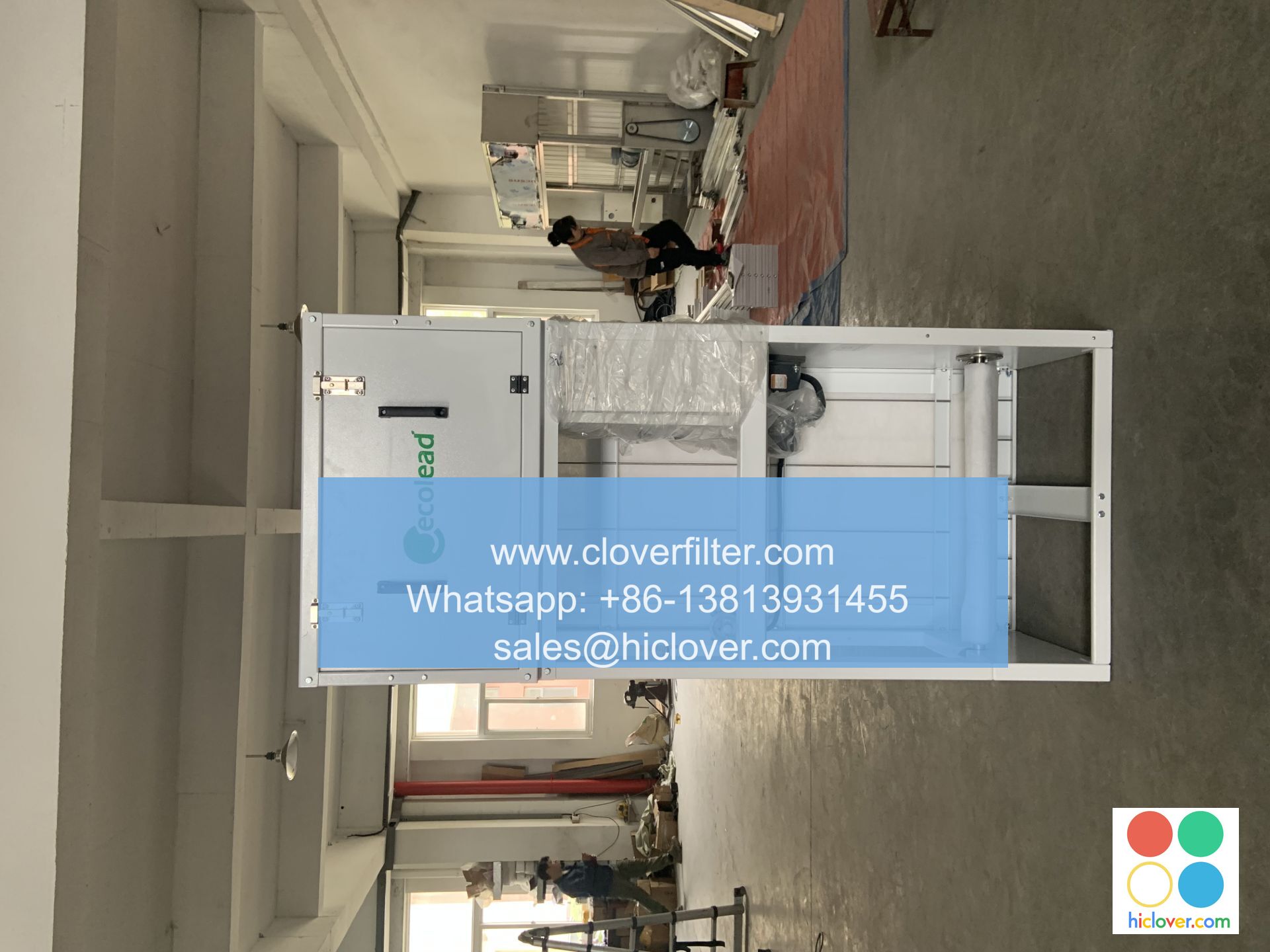
An Automatic Roll Air Filter is an innovative air filtration solution designed for use in various HVAC applications. It features a roll media design that can be advanced automatically, ensuring consistent filtration throughout its life cycle. The filter operates using a differential pressure trigger that initiates media advancement based on pressure monitoring. This mechanism not only maximizes efficiency but also simplifies maintenance, allowing for predictable replacement schedules.
How It Works
Practical Selection Guide for Air Filters
When selecting the right air filter for your application, consider the following parameters:
Air Filter Comparison Table
| Filter Type | Best Use Case | Maintenance | Pressure Drop Behavior | Operating Cost | Typical Risk/Downside |
|---|---|---|---|---|---|
| Automatic Roll Air Filter | High-tonnage HVAC systems | Low | Consistent | Moderate | Possible mechanical failures |
| Bag Filter | Industrial environments | Moderate | Variable | High | Higher resistance impacts energy |
| Panel Filter | General HVAC systems | Low | Static | Low | Shorter service life |
| V-bank Filter | Commercial buildings | Moderate | Moderate | Moderate | Requires more space |
Common Mistakes & How to Avoid Them
Real-World Scenarios
Data Center
In a high-demand data center, the air quality is critical for equipment longevity. Using the CloverFilter Automatic Roll Air Filter improved particulate control while reducing maintenance by 30%.
Battery Factory
At a lithium battery factory, clean air intake was essential for product safety. The Automatic Roll Air Filter minimized contamination risk by maintaining consistent airflow and particulate capture efficiency.
Paint Shop
In a paint shop, volatile organic compounds (VOCs) were a significant concern. By installing CloverFilter’s solution, the facility reported improved air quality and compliance with environmental regulations.
Textile/Steel/Cement Plant
For a textile mill, the Automatic Roll Air Filter efficiently managed high dust loads, reducing filters’ pressure drop behavior and prolonging their service life while maintaining optimal efficiency.
FAQ Section
What are air filter certifications?
Air filter certifications verify a filter’s performance based on industry standards, ensuring it meets specific filtration effectiveness and efficiency criteria.
How can I verify an air filter’s certifications?
You can verify an air filter’s certifications by checking product documentation and manufacturer statements; credible manufacturers like CloverFilter often have this information readily available.
Why are certifications important?
Certifications provide confidence in the filter’s capabilities, supporting compliance with environmental standards and protecting indoor air quality.
What standards should I look for in an air filter?
Common standards include MERV, ISO 16890, and EN 779, which provide guidelines for filter efficiency.
Can I find CloverFilter products certified?
While many CloverFilter products comply with these standards, specific certification details can be requested directly through our website.
How often should air filters be replaced?
The replacement frequency depends on the application, usually ranging from one month to six months, based on particulate load and filter type.
What maintenance is required for the Automatic Roll Air Filter?
With its automatic media advancement feature, maintenance is significantly reduced compared to traditional filters, requiring minimal intervention.
Is an Automatic Roll Air Filter energy-efficient?
Yes, designs are intended to optimize energy usage while maintaining airflow, thus reducing overall operational costs.
How does pressure drop affect air filters?
Higher pressure drops indicate that filters are becoming clogged, impacting system efficiency. Monitoring is crucial to ensure optimal performance.
Key Takeaways
Meta Description: Learn how to ensure air filter certifications are valid, understand opportunities in automatic roll filters, and optimize your facility’s air quality.
For more insights into air filtration solutions, reach out to CloverFilter at CloverFilter. Our dedicated team is ready to help you find the perfect filtration system for your needs.
It looks like your message might have been cut off. Could you please provide more details or clarify what you need? I’m here to help!
