Improving Air Quality and Efficiency with Automatic Roll Air Filters on Newfoundland Oil Platforms
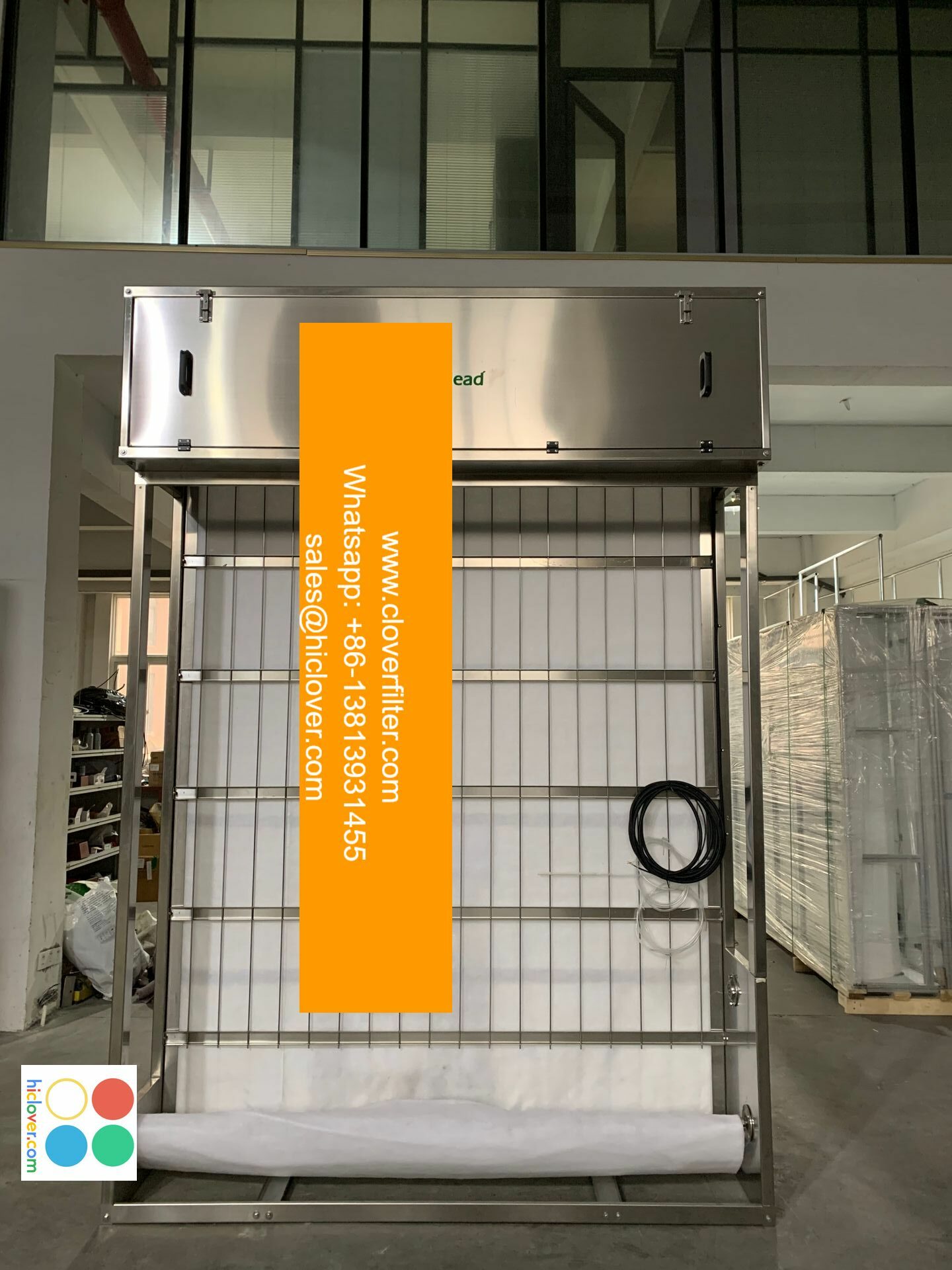
Offshore oil platforms, like those found in Newfoundland, are complex systems that require precise control and maintenance to ensure optimal performance and safety. One critical aspect of these platforms is the air quality inside the facilities, which can be compromised by various factors, including humidity, saltwater, and equipment emissions. To address this challenge, automatic roll air filters have been introduced as a solution to improve air quality and efficiency on these platforms.
The typical air filtration systems used on offshore oil platforms have several drawbacks, including high maintenance costs, limited filter life, and decreased airflow over time. These issues can lead to reduced air quality, increased energy consumption, and decreased overall system efficiency. In contrast, automatic roll air filters offer a more effective and efficient solution. These filters use a continuous roll of filter media that unwinds as the old filter becomes dirty, ensuring a consistent airflow and preventing the buildup of dirt and debris.

The benefits of automatic roll air filters on Newfoundland oil platforms are numerous. For one, they provide improved air quality by capturing 99.97% of particles as small as 0.3 microns, including dust, pollen, and other contaminants. This is particularly important in offshore environments, where the air can be filled with saltwater and other corrosive particles that can damage equipment and compromise air quality. Additionally, automatic roll air filters can help reduce energy consumption by minimizing the pressure drop across the filter, which can lead to significant cost savings over time.
Another advantage of automatic roll air filters is their low maintenance requirements. Unlike traditional air filters, which need to be replaced regularly, automatic roll air filters can operate for extended periods with minimal intervention. This reduces the need for personnel to access the filter housing, minimizing the risk of accidents and injuries. Furthermore, the reduced maintenance requirements result in lower labor costs and extended filter life, making automatic roll air filters a more cost-effective solution in the long run.
In addition to the benefits mentioned above, automatic roll air filters also offer increased flexibility and adaptability. They can be customized to fit specific applications and environments, ensuring optimal performance in a variety of conditions. For example, filters can be designed to withstand high temperatures, humidity, or corrosive environments, making them an ideal solution for offshore oil platforms.
The installation and operation of automatic roll air filters on Newfoundland oil platforms are relatively straightforward. The filters are typically installed in the air intake system, where they can capture contaminants before they enter the facility. The filters are then connected to a control system that monitors airflow, pressure, and filter condition, ensuring optimal performance and notify personnel when maintenance is required.
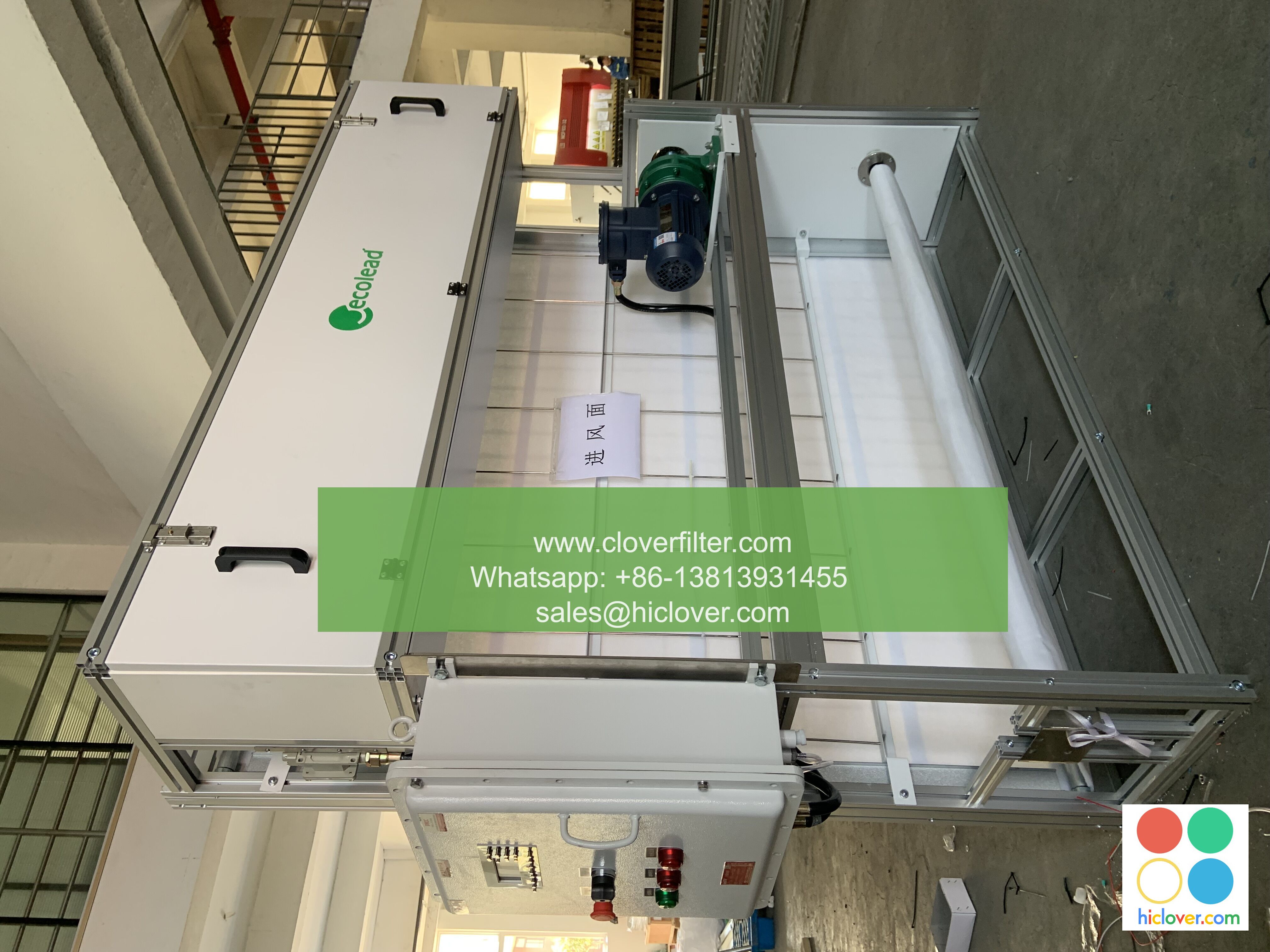
In conclusion, automatic roll air filters offer a reliable and efficient solution for improving air quality and efficiency on Newfoundland oil platforms. By providing improved air quality, reducing energy consumption, and minimizing maintenance requirements, these filters can help platform operators reduce costs, improve safety, and optimize overall system performance. As the offshore oil and gas industry continues to evolve, the use of automatic roll air filters is likely to become increasingly important for ensuring the reliability and efficiency of these complex systems.
FAQs
Q: How do automatic roll air filters improve air quality on offshore oil platforms?
A: Automatic roll air filters improve air quality by capturing 99.97% of particles as small as 0.3 microns, including dust, pollen, and other contaminants that can compromise air quality.
Q: What are the benefits of using automatic roll air filters on offshore oil platforms?
A: The benefits of using automatic roll air filters include improved air quality, reduced energy consumption, minimized maintenance requirements, and increased flexibility and adaptability.
Q: How do automatic roll air filters reduce maintenance requirements?
A: Automatic roll air filters reduce maintenance requirements by minimizing the need for personnel to access the filter housing, resulting in lower labor costs and extended filter life.
Q: Can automatic roll air filters be customized for specific applications and environments?
A: Yes, automatic roll air filters can be customized to fit specific applications and environments, ensuring optimal performance in a variety of conditions.
Q: How are automatic roll air filters installed and operated on offshore oil platforms?
A: Automatic roll air filters are typically installed in the air intake system, where they can capture contaminants before they enter the facility. The filters are then connected to a control system that monitors airflow, pressure, and filter condition, ensuring optimal performance and notify personnel when maintenance is required.
