Improving Air Quality and Reducing Emissions: Automatic Roll Air Filters in Saskatoon’s Agricultural Machinery
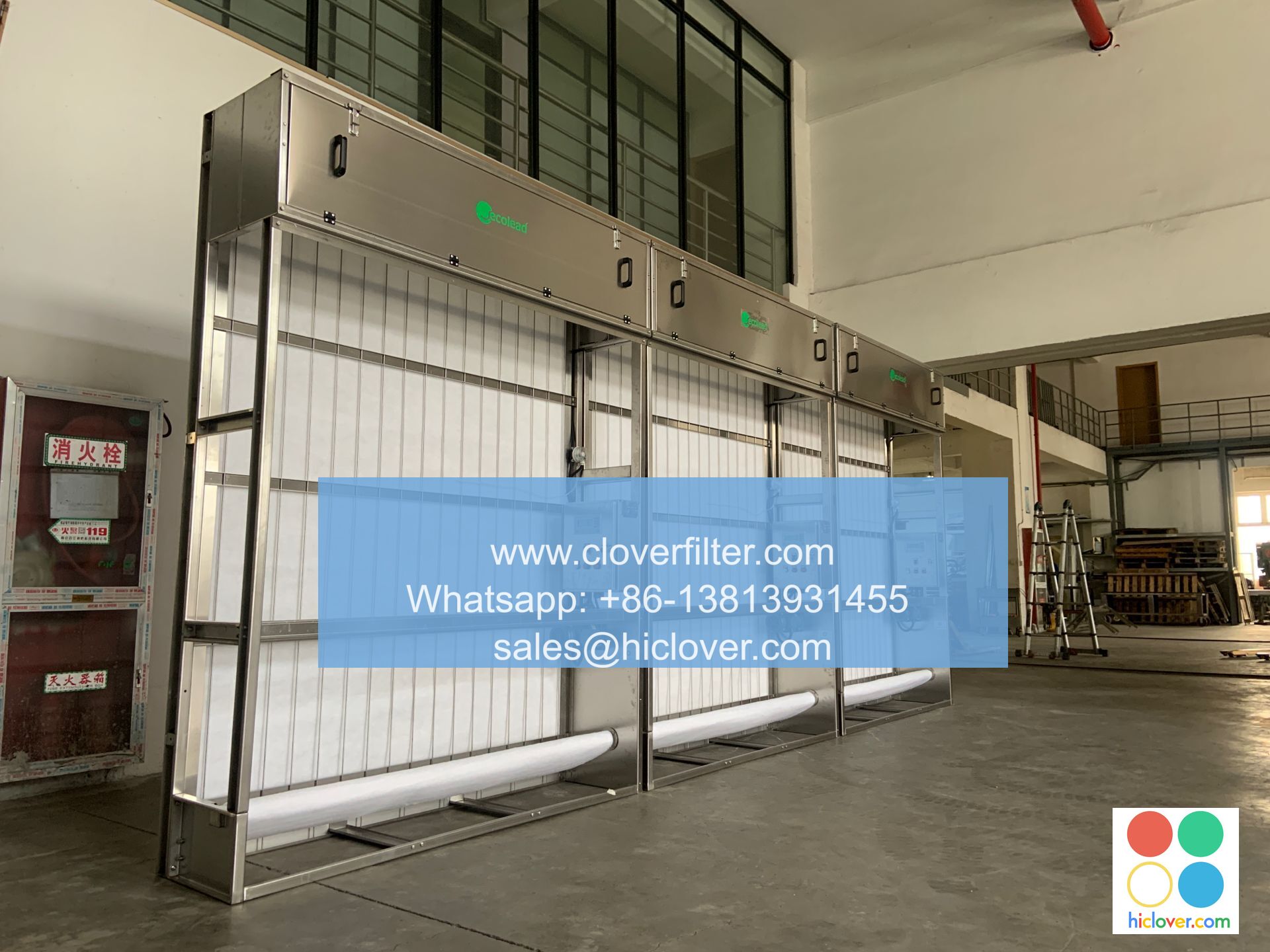
The city of Saskatoon, known for its rich agricultural lands and vast farming communities, is taking significant steps towards improving air quality and reducing emissions. One of the key strategies being implemented is the use of automatic roll air filters in agricultural machinery. These innovative filters are designed to capture pollutants and particulate matter, reducing the amount of harmful emissions released into the atmosphere.
Agricultural machinery, such as tractors and combines, are significant contributors to air pollution in Saskatoon. The combustion of fossil fuels in these machines releases a plethora of pollutants, including nitrogen oxides, particulate matter, and volatile organic compounds. These pollutants can have severe impacts on both human health and the environment, contributing to respiratory problems, climate change, and ecosystem degradation. By incorporating automatic roll air filters into agricultural machinery, farmers and operators can significantly reduce the amount of pollutants emitted, creating a cleaner and healthier environment for the community.

The automatic roll air filters work by using a rolling filter media that is automatically advanced as it becomes dirty. This ensures that the filter is always clean and functioning at optimal levels, capturing up to 99% of particulate matter and pollutants. The filters are also designed to be low maintenance, with some models featuring automatic cleaning systems that remove dirt and debris, reducing the need for manual intervention. This not only saves time and resources but also minimizes downtime, allowing farmers and operators to focus on their work without interruption.
In addition to improving air quality, automatic roll air filters also provide several economic benefits. By reducing the amount of pollutants emitted, farmers and operators can minimize their environmental impact, reducing the risk of fines and penalties associated with non-compliance. Furthermore, the use of these filters can also lead to cost savings, as they can help extend the life of machinery and reduce maintenance costs. With the rising costs of fuel and equipment, any savings can be a significant benefit to agricultural businesses.
The adoption of automatic roll air filters in Saskatoon’s agricultural machinery is also being driven by government initiatives and regulations. The Canadian government has implemented strict emissions standards for agricultural machinery, and the use of these filters is seen as a key strategy for meeting these standards. Additionally, the government is offering incentives and funding for farmers and operators who adopt clean technologies, including automatic roll air filters. These initiatives are helping to drive the adoption of these filters, creating a cleaner and more sustainable agricultural sector.
While the use of automatic roll air filters is a significant step forward, it is also important to consider other strategies for reducing emissions in agricultural machinery. This includes the use of alternative fuels, such as biodiesel and electric power, as well as the implementation of more efficient machinery and equipment. By combining these strategies, farmers and operators can create a comprehensive approach to reducing emissions and improving air quality.
In conclusion, the use of automatic roll air filters in Saskatoon’s agricultural machinery is a significant step towards improving air quality and reducing emissions. These innovative filters are designed to capture pollutants and particulate matter, reducing the amount of harmful emissions released into the atmosphere. With government initiatives and regulations driving adoption, and economic benefits including cost savings and extended machinery life, the use of automatic roll air filters is set to become a key strategy for creating a cleaner and more sustainable agricultural sector.
FAQs
Q: What are automatic roll air filters and how do they work?
A: Automatic roll air filters are designed to capture pollutants and particulate matter in agricultural machinery. They work by using a rolling filter media that is automatically advanced as it becomes dirty, ensuring optimal performance and capturing up to 99% of pollutants.
Q: What are the benefits of using automatic roll air filters in agricultural machinery?
A: The benefits of using automatic roll air filters include improved air quality, reduced emissions, cost savings, and extended machinery life. They also help farmers and operators meet government emissions standards and can provide access to incentives and funding.
Q: Are automatic roll air filters expensive to maintain and replace?
A: No, automatic roll air filters are designed to be low maintenance, with some models featuring automatic cleaning systems that minimize manual intervention. They are also designed to be long-lasting, reducing the need for frequent replacement.
Q: Can automatic roll air filters be used in conjunction with other emissions-reducing strategies?
A: Yes, automatic roll air filters can be used in conjunction with other strategies, such as alternative fuels and more efficient machinery and equipment. By combining these strategies, farmers and operators can create a comprehensive approach to reducing emissions and improving air quality.
