Improving Air Quality at Cedars-Sinai: The Role of Automatic Roll Air Filters
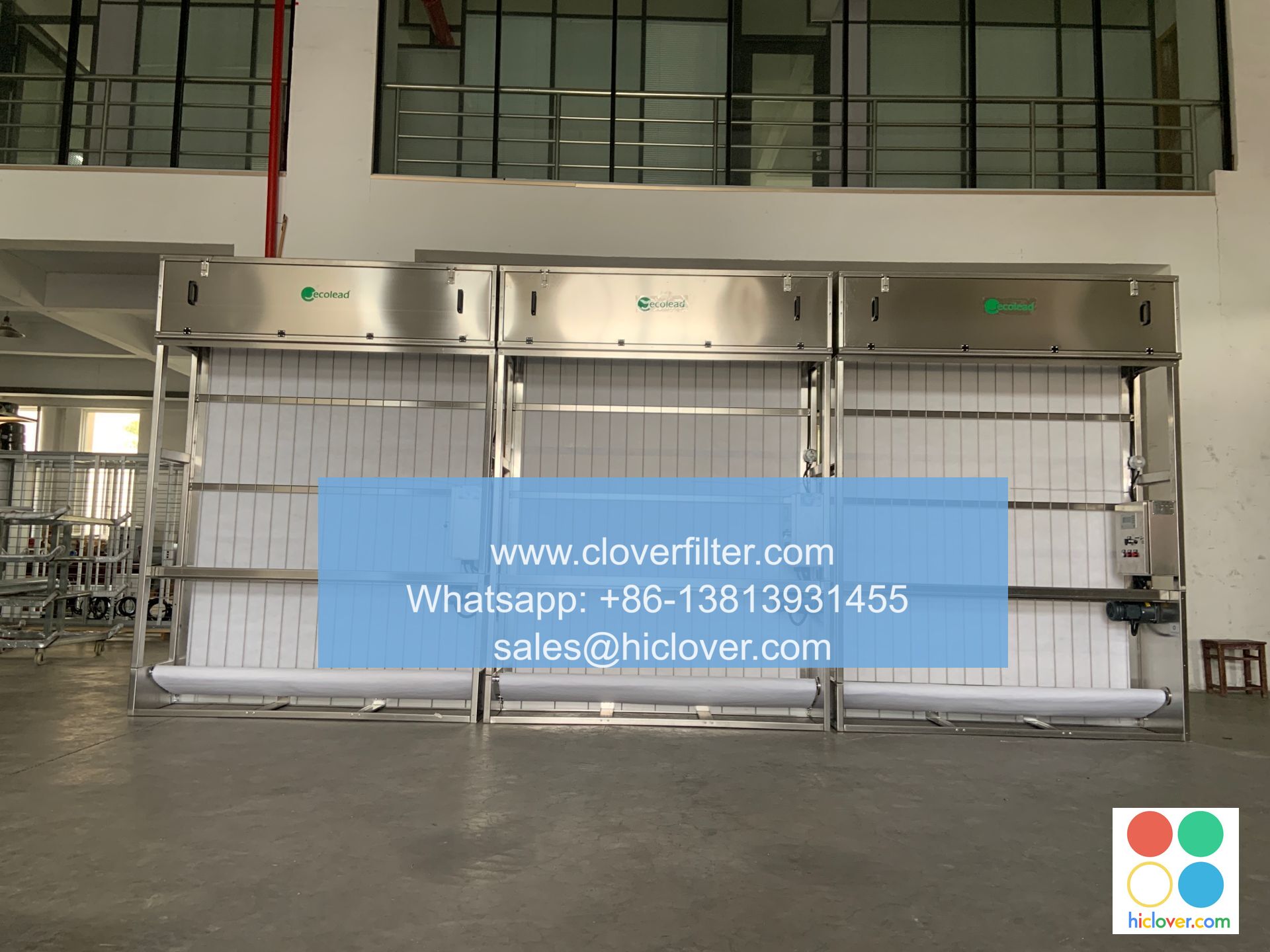
Cedars-Sinai Medical Center, a renowned non-profit hospital in Los Angeles, California, is committed to providing the highest quality patient care and maintaining a healthy environment for its patients, staff, and visitors. One crucial aspect of achieving this goal is ensuring excellent indoor air quality (IAQ). In this article, we will explore the significance of air filtration systems in hospitals, the benefits of automatic roll air filters, and their application in various areas of Cedars-Sinai.
Why Air Quality Matters in Healthcare Settings
In healthcare settings, air quality control is vital to prevent the spread of airborne pathogens, reduce the risk of hospital-acquired infections (HAIs), and create a comfortable environment for patients and staff. Airborne contaminants, such as dust, pollen, and bacteria, can exacerbate respiratory issues and compromise the health of vulnerable individuals, including those with weakened immune systems.
The Benefits of Automatic Roll Air Filters
Automatic roll air filters are designed to provide high-efficiency particulate air (HEPA) filtration, capturing 99.97% of particles as small as 0.3 microns. These filters offer several advantages over traditional filter systems, including:
* Increased filtration efficiency: Automatic roll air filters can remove a wider range of airborne contaminants, including dust, pollen, bacteria, and viruses.
* Reduced maintenance: These filters are designed to be self-cleaning and require less frequent replacement, minimizing downtime and maintenance costs.
* Improved indoor air quality: By removing airborne pollutants, automatic roll air filters contribute to a healthier and more comfortable environment for patients, staff, and visitors.
Application Areas at Cedars-Sinai
Automatic roll air filters can be applied in various areas of Cedars-Sinai to improve indoor air quality and reduce the risk of airborne infections. Some of the key application areas include:
* Operating rooms: High-efficiency filtration is crucial in operating rooms to prevent the spread of airborne pathogens and ensure a sterile environment for surgical procedures.
* Intensive care units (ICUs): ICUs require advanced air filtration systems to protect vulnerable patients from airborne contaminants and prevent the spread of hospital-acquired infections.
* Patient rooms: Automatic roll air filters can be used in patient rooms to improve indoor air quality and reduce the risk of airborne infections, promoting a healthier and more comfortable environment for patients.
* Pharmacies and laboratories: These areas require high-quality air filtration systems to prevent contamination and ensure the accuracy of sensitive experiments and pharmaceutical preparations.

Conclusion
Improving indoor air quality is essential for maintaining a healthy environment at Cedars-Sinai Medical Center. Automatic roll air filters play a vital role in achieving this goal by providing high-efficiency particulate air (HEPA) filtration and reducing the risk of airborne infections. By applying these filters in various areas of the hospital, including operating rooms, ICUs, patient rooms, and pharmacies, Cedars-Sinai can promote a healthier and more comfortable environment for patients, staff, and visitors, ultimately enhancing the quality of care and patient outcomes.
