Improving Air Quality in Food Processing: The Role of Automatic Roll Air Filters
The food processing industry is a significant sector that requires meticulous attention to detail, particularly when it comes to maintaining high standards of air quality. Airborne contaminants can compromise the safety and quality of food products, making it essential to implement effective air filtration systems. In this article, we will discuss the importance of improving air quality in food processing and the crucial role that automatic roll air filters play in this endeavor.
##
Introduction to Air Quality in Food Processing
Food processing facilities are prone to generating airborne contaminants, such as particulate matter, microorganisms, and volatile organic compounds (VOCs). These contaminants can originate from various sources, including raw materials, processing equipment, and human activity. If left uncontrolled, these airborne pollutants can lead to cross-contamination, spoilage, and even pose health risks to consumers.
##
The Importance of Air Filtration in Food Processing
Effective air filtration is critical in food processing to prevent the introduction of contaminants into the production environment. HEPA filters, ULPA filters, and activated carbon filters are commonly used to capture particulate matter, microorganisms, and gases. However, traditional air filtration systems can be labor-intensive and costly to maintain. This is where automatic roll air filters come into play, offering a more efficient and cost-effective solution.
##
Automatic Roll Air Filters: A Game-Changer in Food Processing
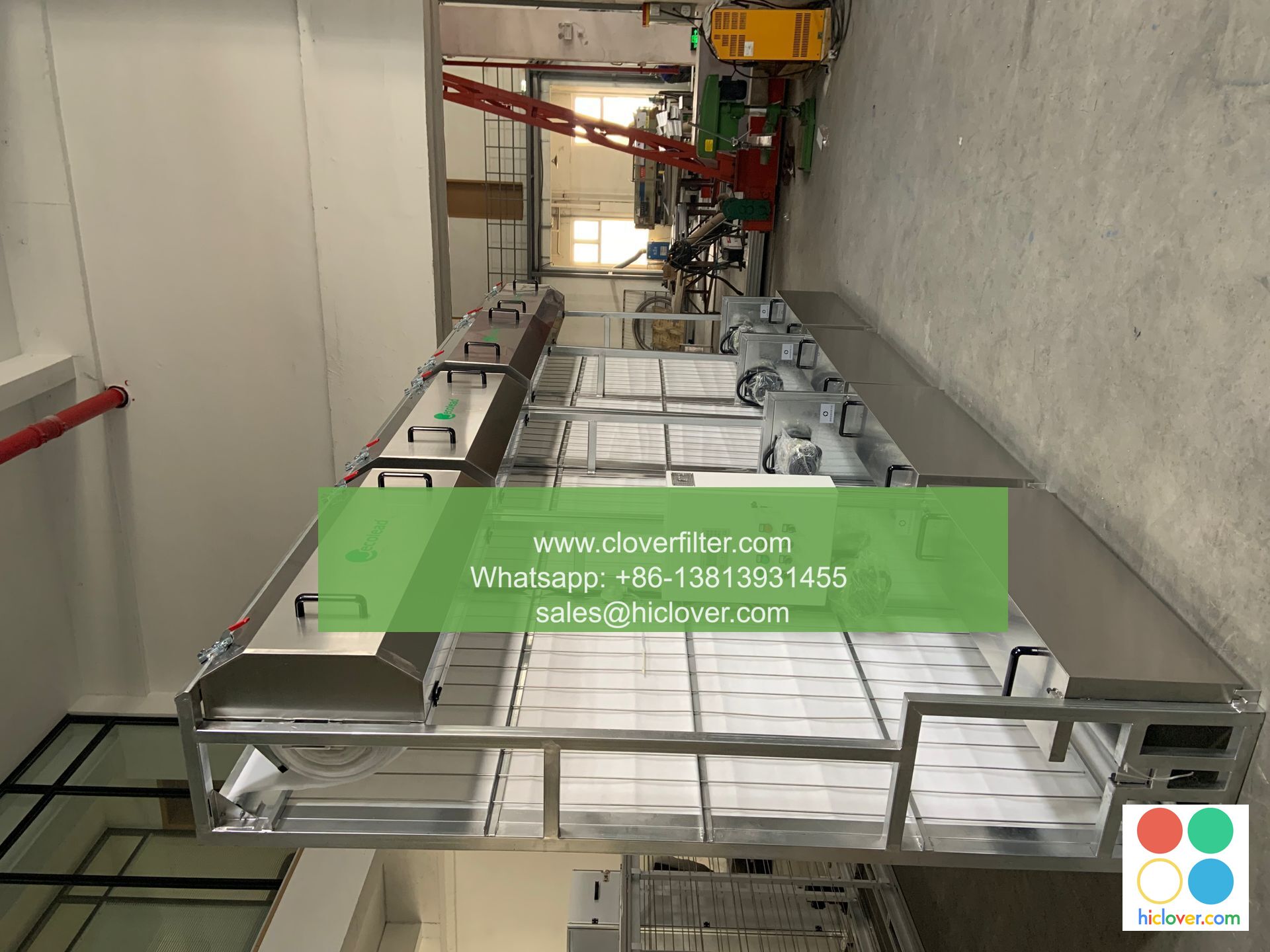
Automatic roll air filters are designed to provide continuous, uninterrupted air filtration without the need for manual intervention. These filters feature a self-winding mechanism that advances a new, clean filter media as the old one becomes saturated. This automatic roll filter technology ensures that the air quality in food processing facilities remains consistently high, reducing the risk of contamination and product spoilage.
##
Application Areas for Automatic Roll Air Filters
Automatic roll air filters can be applied in various areas of food processing, including:
* Dairy processing: to prevent the introduction of microorganisms and particulate matter into milk and dairy products
* Bakery and confectionery: to control dust and volatile organic compounds (VOCs) in the production environment
* Meat and poultry processing: to reduce the risk of cross-contamination and product spoilage
* Pharmaceutical and nutraceutical manufacturing: to maintain high-purity air standards and prevent contamination
##
Benefits of Automatic Roll Air Filters in Food Processing
The implementation of automatic roll air filters in food processing facilities offers numerous benefits, including:
* Improved air quality: reducing the risk of contamination and product spoilage
* Increased efficiency: minimizing downtime and labor costs associated with manual filter maintenance
* Cost savings: reducing the need for filter replacements and waste disposal
* Enhanced food safety: protecting consumers from the risks associated with airborne contaminants
##
Conclusion
In conclusion, automatic roll air filters play a vital role in improving air quality in food processing facilities. By providing continuous, uninterrupted air filtration, these filters help prevent contamination, reduce product spoilage, and enhance food safety. As the food processing industry continues to evolve, the adoption of automatic roll air filters will become increasingly important for maintaining high standards of air quality and ensuring the production of safe, healthy food products.
