Improving Air Quality in Vancouver’s Semiconductor Factories with Automatic Roll Air Filters
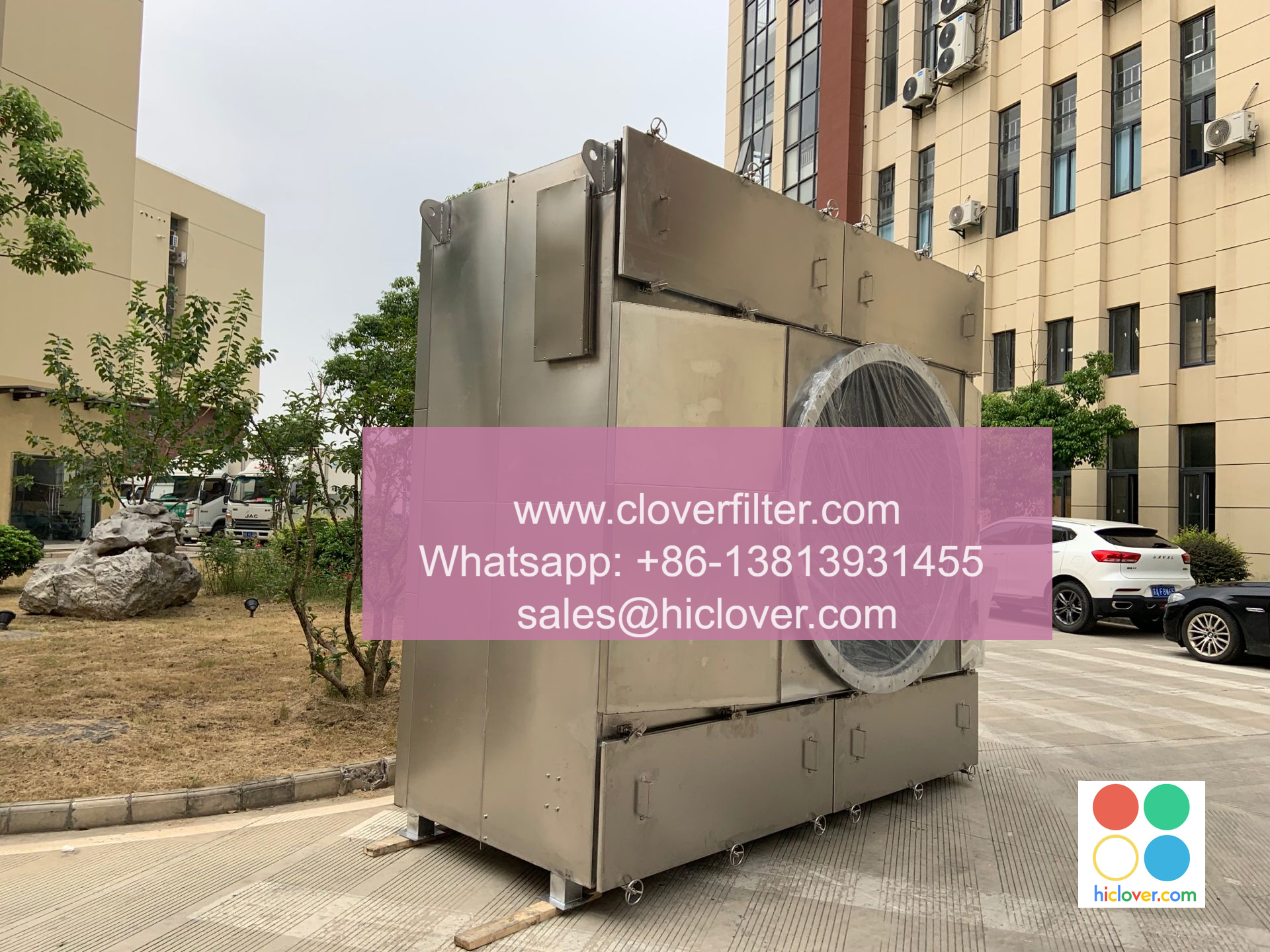
Vancouver’s semiconductor factories are known for their high-tech manufacturing processes, but they also pose significant challenges to air quality. The production of microchips and other electronic components requires the use of hazardous chemicals and materials, which can release harmful pollutants into the air. To mitigate these effects, many factories are turning to automatic roll air filters as a solution. In this article, we will explore the benefits of automatic roll air filters in improving air quality in Vancouver’s semiconductor factories.
Semiconductor manufacturing involves a range of processes, including etching, doping, and packaging, which can generate airborne contaminants such as particulate matter, gases, and vapors. These pollutants can have serious health and environmental impacts, including respiratory problems, cancer, and climate change. Furthermore, the presence of contaminants in the air can also affect the quality and yield of semiconductor products, leading to reduced efficiency and increased costs.
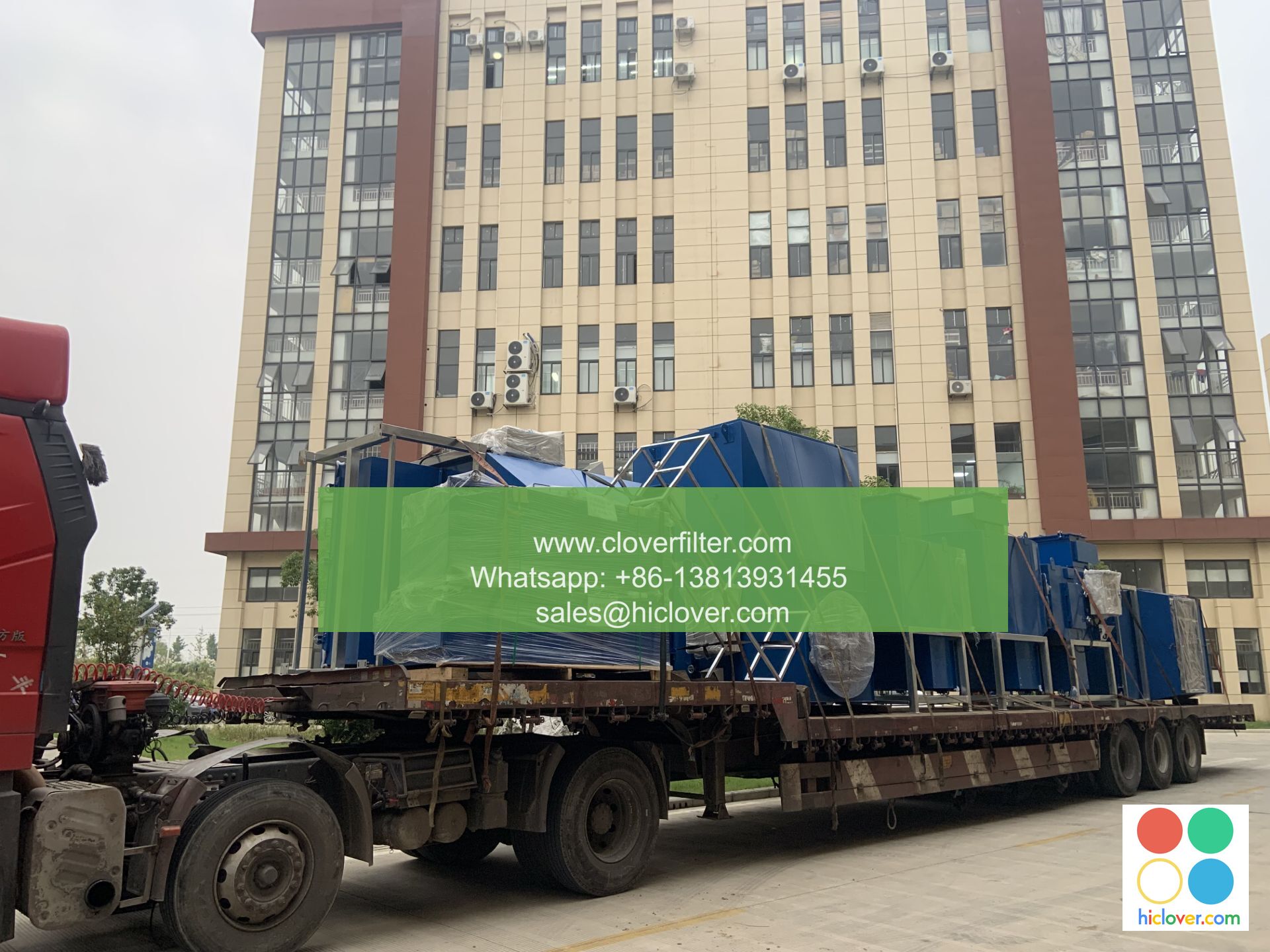
Automatic roll air filters offer a effective solution to these problems. These filters use a continuous roll of filter media that is automatically advanced and replaced as it becomes loaded with contaminants. This ensures that the air in the factory remains clean and free of pollutants, reducing the risks to workers and the environment. Additionally, automatic roll air filters can be equipped with advanced features such as sensors and monitoring systems, which allow for real-time tracking of air quality and filter performance.
The benefits of automatic roll air filters in semiconductor factories are numerous. For one, they can help to reduce the concentration of airborne contaminants, improving the health and safety of workers. They can also help to prevent equipment damage and downtime, which can result from the accumulation of contaminants on sensitive surfaces. Furthermore, automatic roll air filters can help to reduce energy consumption and greenhouse gas emissions, by minimizing the need for heating and cooling systems to condition the air.
In addition to these benefits, automatic roll air filters can also help to improve the overall efficiency and productivity of semiconductor factories. By maintaining a clean and stable air environment, factories can reduce the risk of defects and rework, and improve the yield and quality of their products. This can lead to significant cost savings and competitiveness advantages, as well as enhanced reputation and customer satisfaction.
To implement automatic roll air filters in semiconductor factories, a number of factors must be considered. These include the type and amount of contaminants present, the air flow rates and velocities, and the space and installation constraints. Factory managers and engineers must also consult with air filtration experts and conduct thorough risk assessments, to ensure that the filters are properly sized and configured for the specific application.

Despite the many benefits of automatic roll air filters, there are also some potential challenges and limitations to consider. For example, the filters may require regular maintenance and replacement, which can be time-consuming and costly. Additionally, the filters may not be effective against all types of contaminants, and may need to be used in combination with other air cleaning technologies.
Conclusion: Improving air quality in Vancouver’s semiconductor factories is a critical challenge that requires effective solutions. Automatic roll air filters offer a promising approach to reducing airborne contaminants and improving the health, safety, and productivity of workers. By understanding the benefits and limitations of these filters, and implementing them in a careful and considered manner, factories can help to mitigate the environmental and health impacts of semiconductor manufacturing, and maintain their competitiveness in a rapidly evolving industry.
FAQs:
- Q: What are the main benefits of automatic roll air filters in semiconductor factories?
- A: The main benefits of automatic roll air filters include improved air quality, reduced risks to workers and the environment, and increased efficiency and productivity.
- Q: How do automatic roll air filters work?
- A: Automatic roll air filters use a continuous roll of filter media that is automatically advanced and replaced as it becomes loaded with contaminants.
- Q: What types of contaminants can automatic roll air filters remove?
- A: Automatic roll air filters can remove a wide range of contaminants, including particulate matter, gases, and vapors.
- Q: Are automatic roll air filters expensive to maintain and replace?
- A: The maintenance and replacement costs of automatic roll air filters can vary depending on the specific application and filter type, but they are generally considered to be a cost-effective solution.
- Q: Can automatic roll air filters be used in combination with other air cleaning technologies?
- A: Yes, automatic roll air filters can be used in combination with other air cleaning technologies, such as HEPA filters and air purifiers, to provide comprehensive air quality management.
