Improving Oil and Gas Plant Air Quality with Automatic Roll Air Filters: A Technical Guide
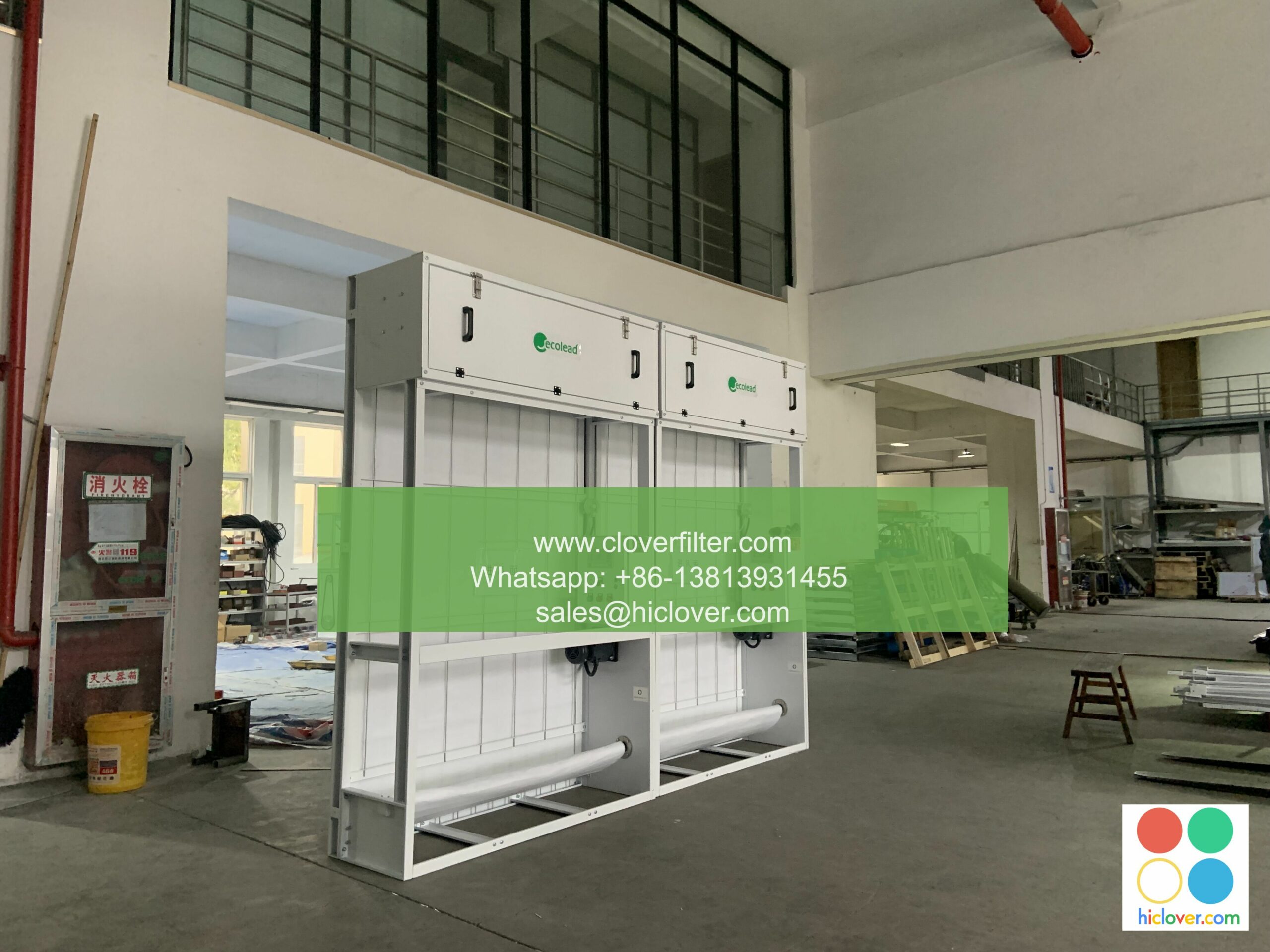
The oil and gas industry is a significant contributor to the global economy, but it also poses significant environmental and health concerns. One of the major issues faced by oil and gas plants is air pollution, which can have severe consequences for both the environment and human health. To mitigate this issue, oil and gas plants are turning to automatic roll air filters as a reliable and efficient solution. In this article, we will discuss the importance of air quality in oil and gas plants, the benefits of using automatic roll air filters, and provide a technical guide on how to implement them.
Air pollution in oil and gas plants is primarily caused by the release of particulate matter, gases, and other pollutants into the air. These pollutants can come from various sources, including drilling, production, processing, and transportation activities. The most common air pollutants in oil and gas plants include particulate matter (PM), nitrogen oxides (NOx), sulfur dioxide (SO2), and volatile organic compounds (VOCs). Exposure to these pollutants can cause a range of health problems, including respiratory issues, cardiovascular disease, and even cancer.

Automatic roll air filters are a type of air filtration system that uses a continuous roll of filter media to capture pollutants and particulate matter from the air. These filters are designed to be highly efficient, with some models capable of capturing 99.97% of particles as small as 0.3 microns. They are also relatively low maintenance, as the filter media can be easily replaced or cleaned, reducing the need for frequent filter changes.
The benefits of using automatic roll air filters in oil and gas plants are numerous. Firstly, they can significantly improve air quality by capturing pollutants and particulate matter, reducing the risk of health problems for workers and nearby communities. Secondly, they can help reduce emissions and meet regulatory requirements, avoiding costly fines and penalties. Finally, they can also help to improve the efficiency and reliability of equipment, reducing downtime and maintenance costs.
To implement automatic roll air filters in an oil and gas plant, several technical considerations must be taken into account. Firstly, the filter must be sized correctly to handle the volume of air being processed. Secondly, the filter media must be selected based on the types of pollutants present in the air, as well as the desired level of filtration efficiency. Finally, the filter must be installed and maintained correctly, with regular cleaning and replacement of the filter media to ensure optimal performance.
In addition to these technical considerations, it is also important to consider the operational and maintenance requirements of the filter. This includes ensuring that the filter is properly integrated into the plant’s existing air handling system, as well as providing training to maintenance personnel on how to properly maintain and replace the filter media. By taking these factors into account, oil and gas plants can ensure that their automatic roll air filters are operating effectively and efficiently, providing a reliable and cost-effective solution for improving air quality.

Another important aspect to consider is the cost-benefit analysis of implementing automatic roll air filters. While the initial cost of purchasing and installing the filters may be higher than traditional filtration systems, the long-term benefits can far outweigh the costs. These benefits include reduced maintenance and replacement costs, improved equipment reliability, and reduced emissions. Additionally, the improved air quality can also lead to improved worker health and productivity, resulting in cost savings and increased revenue.
In conclusion, automatic roll air filters offer a reliable and efficient solution for improving air quality in oil and gas plants. By capturing pollutants and particulate matter, these filters can help reduce the risk of health problems, meet regulatory requirements, and improve equipment efficiency. By following the technical guide outlined in this article, oil and gas plants can ensure that their automatic roll air filters are operating effectively and efficiently, providing a cost-effective solution for improving air quality.
Frequently Asked Questions
Q: What are the most common types of pollutants found in oil and gas plants?
A: The most common types of pollutants found in oil and gas plants include particulate matter (PM), nitrogen oxides (NOx), sulfur dioxide (SO2), and volatile organic compounds (VOCs).
Q: How do automatic roll air filters work?
A: Automatic roll air filters use a continuous roll of filter media to capture pollutants and particulate matter from the air. The filter media is designed to be highly efficient, with some models capable of capturing 99.97% of particles as small as 0.3 microns.
Q: What are the benefits of using automatic roll air filters in oil and gas plants?
A: The benefits of using automatic roll air filters in oil and gas plants include improved air quality, reduced emissions, and improved equipment efficiency. They can also help reduce maintenance and replacement costs, and improve worker health and productivity.
Q: How often should the filter media be replaced or cleaned?
A: The frequency of filter media replacement or cleaning will depend on the type of filter and the level of pollution in the air. As a general rule, the filter media should be replaced or cleaned every 1-3 months, or as recommended by the manufacturer.
