Improving Oil and Gas Plant Emergency Response Planning with Automatic Roll Air Filters
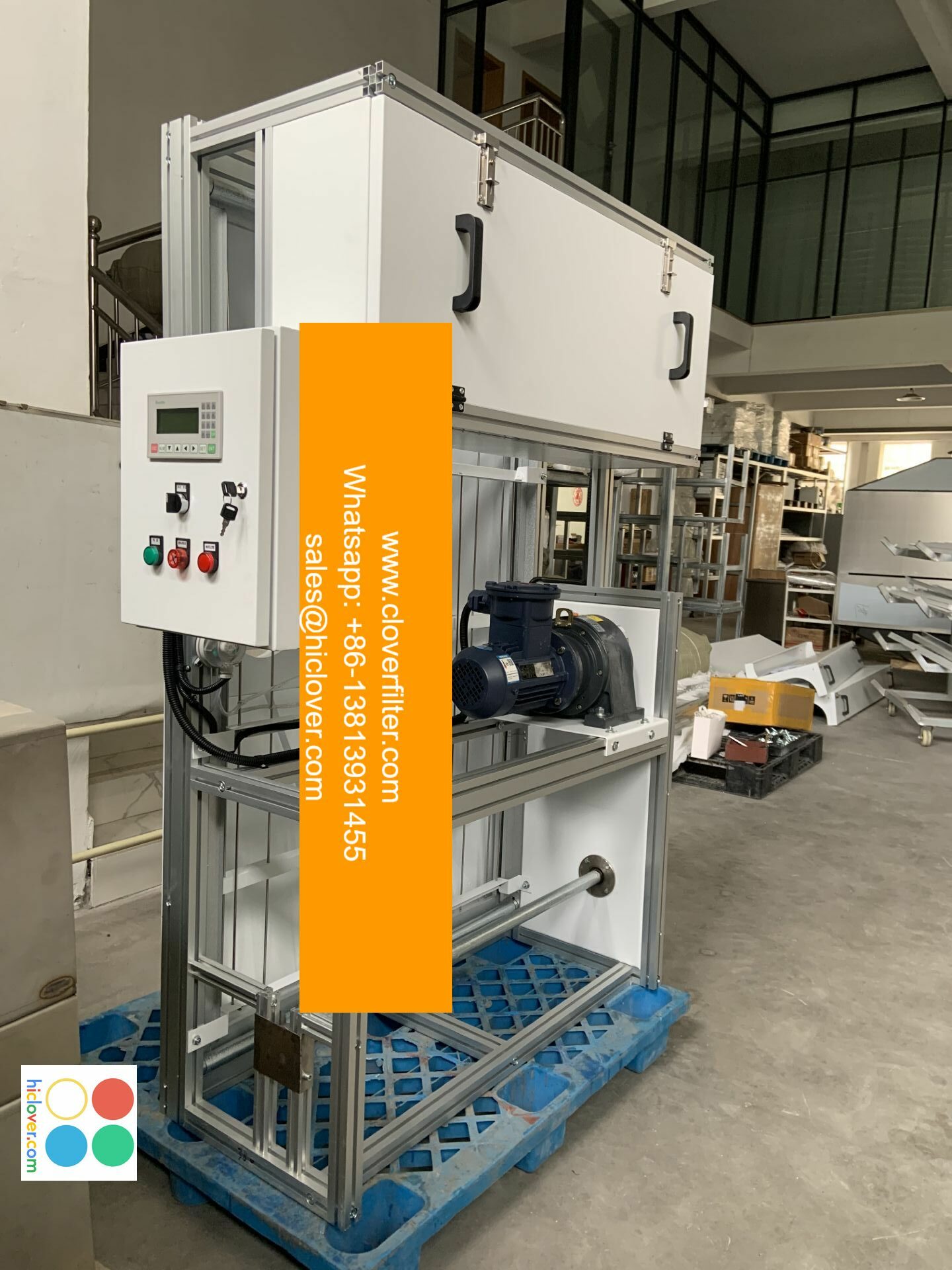
In the oil and gas industry, effective emergency response planning is critical to ensure the safety of personnel, equipment, and the environment. A key element of this planning involves managing hazardous materials and maintaining air quality to prevent disaster during emergencies. Automatic roll air filters (ARAFs) are an innovative solution that can significantly enhance emergency response strategies in oil and gas plants.
The Role of Automatic Roll Air Filters
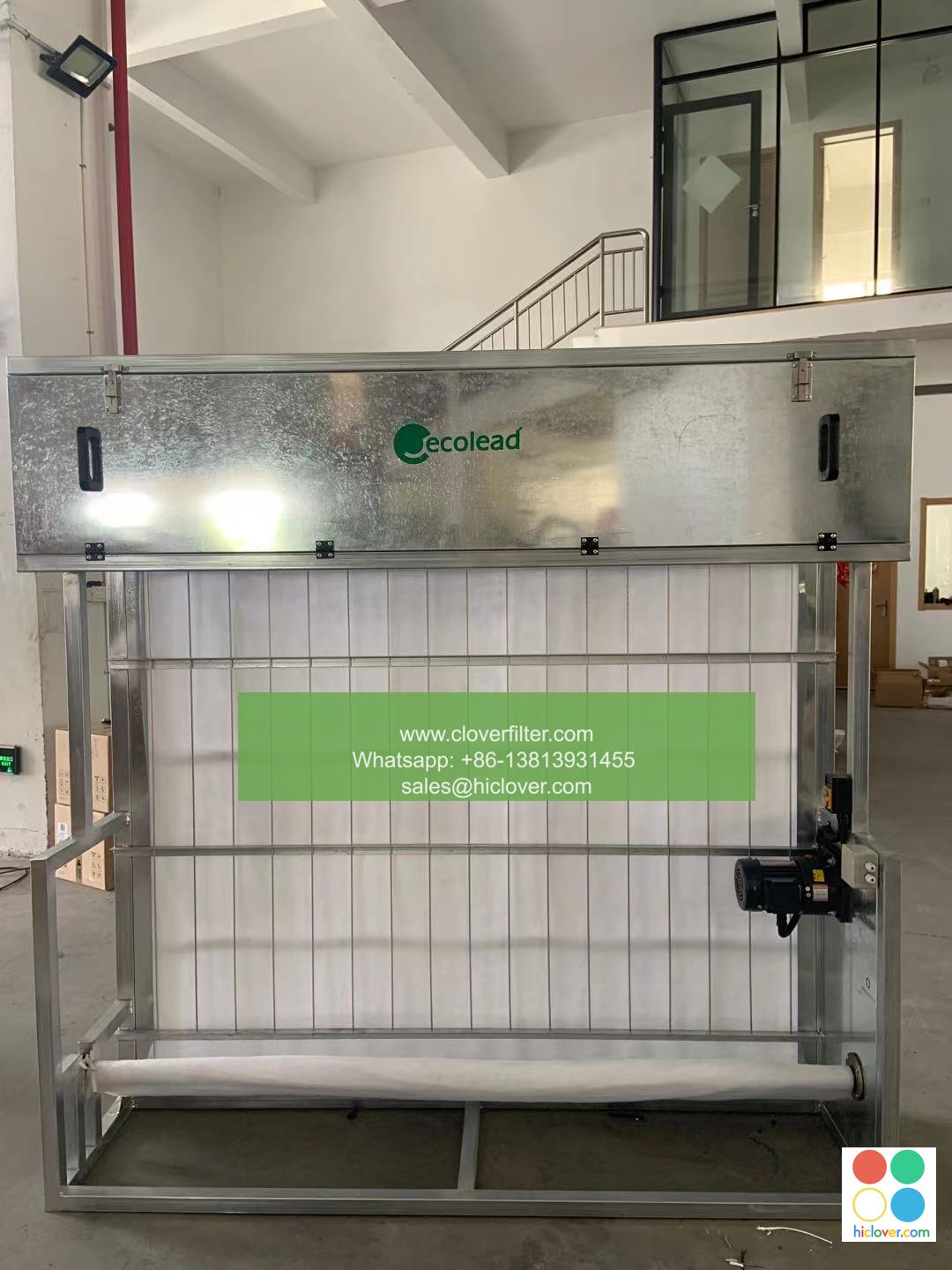
Automatic roll air filters are advanced filtration systems designed to remove particulates, contaminants, and harmful gases from the air. In the context of an oil and gas plant, these filters can play a vital role during emergency situations such as spills, gas leaks, or fires, where the air quality may drastically deteriorate.
Enhancing Air Quality During Emergencies
During an emergency, the first priority is often to ensure safe evacuation routes and to maintain a breathable atmosphere within operating zones. Automatic roll air filters function by consistently monitoring air quality and automatically adjusting filtration levels as necessary. This adaptability allows personnel to continue working safely, even in scenarios where hazardous gases might be present.
Integration with Emergency Response Plans
The integration of automatic roll air filters into existing emergency response plans can improve overall effectiveness. This involves training staff on how to use the filters in tandem with standard evacuation and emergency protocols. With real-time air quality readings provided by these filters, responders can make informed decisions regarding evacuation, isolation of affected areas, and medical assistance for personnel exposed to hazardous environments.

Automated Monitoring and Alerts
One of the significant advantages of ARAF systems is their ability to automatically detect changes in air quality and generate alerts. These alerts can be programmed to notify onsite personnel and remote monitoring stations, allowing for a swift response to emerging threats. Additionally, in a multi-layered emergency plan, precise data concerning air quality can streamline operations, potentially saving lives and reducing property damage.
Cost-Effectiveness and Compliance
Investing in automatic roll air filters not only contributes to enhanced safety but also aligns with regulatory compliance standards. Relevant health and safety regulatory bodies require stringent monitoring of air quality in hazardous environments. Implementing ARAF systems ensures that plants can meet compliance requirements efficiently, thereby reducing the risk of fines and legal repercussions related to environmental hazards.
Potential for Technological Advancements
As technology advances, the capabilities of automatic roll air filters are expected to become even more sophisticated. Future models may include features like AI-driven predictive analytics that forecast potential air quality issues before they arise, further enhancing preparation and response efforts.
Conclusion
In conclusion, automatic roll air filters present a crucial innovation for improving emergency response planning in oil and gas plants. By ensuring air quality is consistently monitored and managed, these systems enhance the safety and efficiency of emergency operations, protect the health of personnel, and support environmental compliance. As the industry continues to evolve, the integration of advanced filtration systems will likely become an essential component of comprehensive safety strategies.
FAQs
1. What are automatic roll air filters?
Automatic roll air filters are filtration systems that continuously monitor and filter the air, removing contaminants and ensuring safety in hazardous environments.
2. How do these filters enhance emergency response?
They improve air quality management during emergencies, allowing personnel to respond safely and effectively to hazardous situations.
3. Are automatic roll air filters cost-effective?
Yes, they can save costs by reducing fines from regulatory non-compliance and improving operational efficiency during emergencies.
4. Will these systems require staff training?
Yes, staff will need training to integrate these filters effectively into emergency response plans and to understand their operation.
