Improving Oil and Gas Plant Public Affairs with Automatic Roll Air Filters
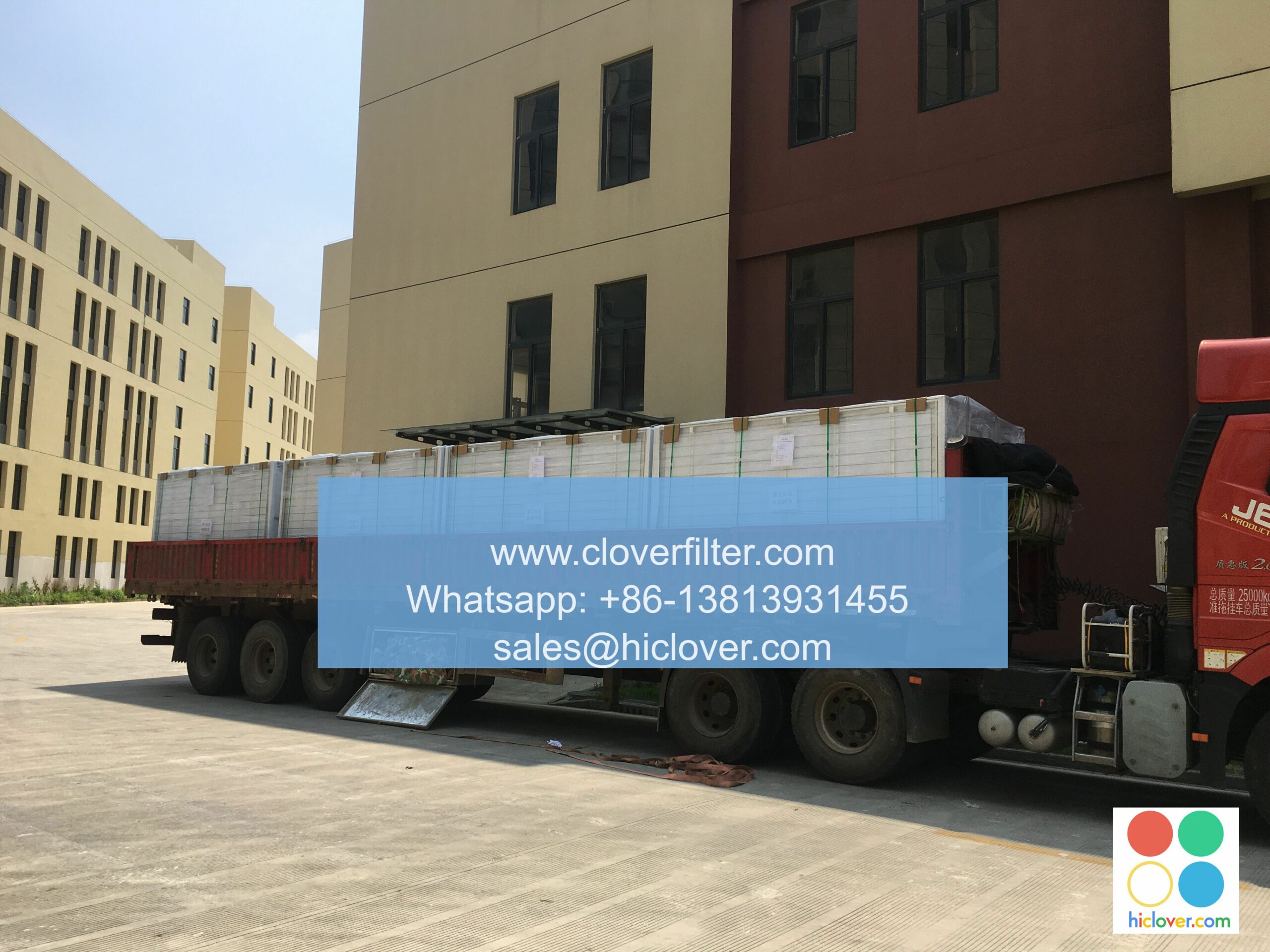
The oil and gas industry is critical to global energy needs, but it continuously faces scrutiny from the public and environmental groups. Effective public affairs strategies are essential for managing these perceptions and ensuring that plants operate smoothly while maintaining community relations. One innovative solution is the installation of automatic roll air filters, which not only enhance the operational efficiency of the facility but also significantly improve public health and environmental quality. This article discusses how these advanced filters can aid in strengthening public affairs for oil and gas plants.
Understanding the Role of Air Quality in Public Affairs

Public perception of oil and gas operations is heavily influenced by air quality. Residents living near these plants are often concerned about air pollution, which can lead to health problems and diminished quality of life. When plants can demonstrate effective management of emissions, it can foster goodwill between the facility and the community. One impactful way to achieve this is through the deployment of automatic roll air filters.
What Are Automatic Roll Air Filters?
Automatic roll air filters are sophisticated filtration systems designed to capture particulates and pollutants from the air before they can escape into the environment. Unlike traditional filters, these systems operate continuously, adjusting their efficiency based on real-time air quality measurements. By using sensors and automation, they optimize energy use and extend filter life, promoting both operational efficiency and cost savings.
Benefits of Automatic Roll Air Filters
1. Enhanced Air Quality
Automatic roll air filters can significantly improve air quality around oil and gas plants. By capturing airborne contaminants, they help reduce harmful emissions, contributing to a cleaner atmosphere and healthier community. This aspect is crucial in addressing public concerns and demonstrating corporate responsibility.

2. Compliance with Regulations
The oil and gas sector is subject to strict environmental regulations. By implementing automatic roll air filters, plants can enhance their compliance with local and federal environmental standards. Improved compliance not only mitigates legal risks but also reinforces a positive public image.
3. Cost-Effectiveness
Investing in automatic roll air filters can lead to substantial long-term savings. The operational efficiency of these systems reduces energy consumption and downtime, allowing plants to allocate resources more effectively. The ability to demonstrate operational savings can also bolster relationships with stakeholders and the community.
4. Community Engagement
Transparency is vital in public affairs. By sharing data and success stories related to air quality improvements achieved through these filters, oil and gas plants can engage constructively with the community. Open communication can foster trust, dispelling myths and addressing concerns proactively.
Conclusion
In an era where public perception can significantly influence business success, oil and gas plants must prioritize effective public affairs strategies. Implementing automatic roll air filters is a proactive step in addressing air quality concerns that impact community well-being. Through improved air quality, regulatory compliance, cost savings, and enhanced community engagement, these advanced filtration systems prove invaluable. Ultimately, cultivating positive relationships with the public can lead to healthier operational environments and support the sustainability of the industry.
FAQs
1. What are automatic roll air filters used for?
Automatic roll air filters are designed to capture particulates and pollutants from the air in industrial environments, ensuring cleaner air is circulated and reducing emissions.
2. How do automatic roll air filters improve public relations?
By improving air quality and demonstrating compliance with environmental standards, these filters help oil and gas plants earn public trust and mitigate opposition from community stakeholders.
3. Are automatic roll air filters cost-effective?
Yes, while there may be initial setup costs, automatic roll air filters often lead to substantial long-term savings through reduced energy use and operational efficiencies.
4. How can oil and gas companies communicate their air quality improvements?
Companies can share data insights, case studies, and engage in community forums to openly discuss the effectiveness of their air quality management initiatives.
