Improving Worker Safety in Poultry Plants with Automatic Roll Ventilation
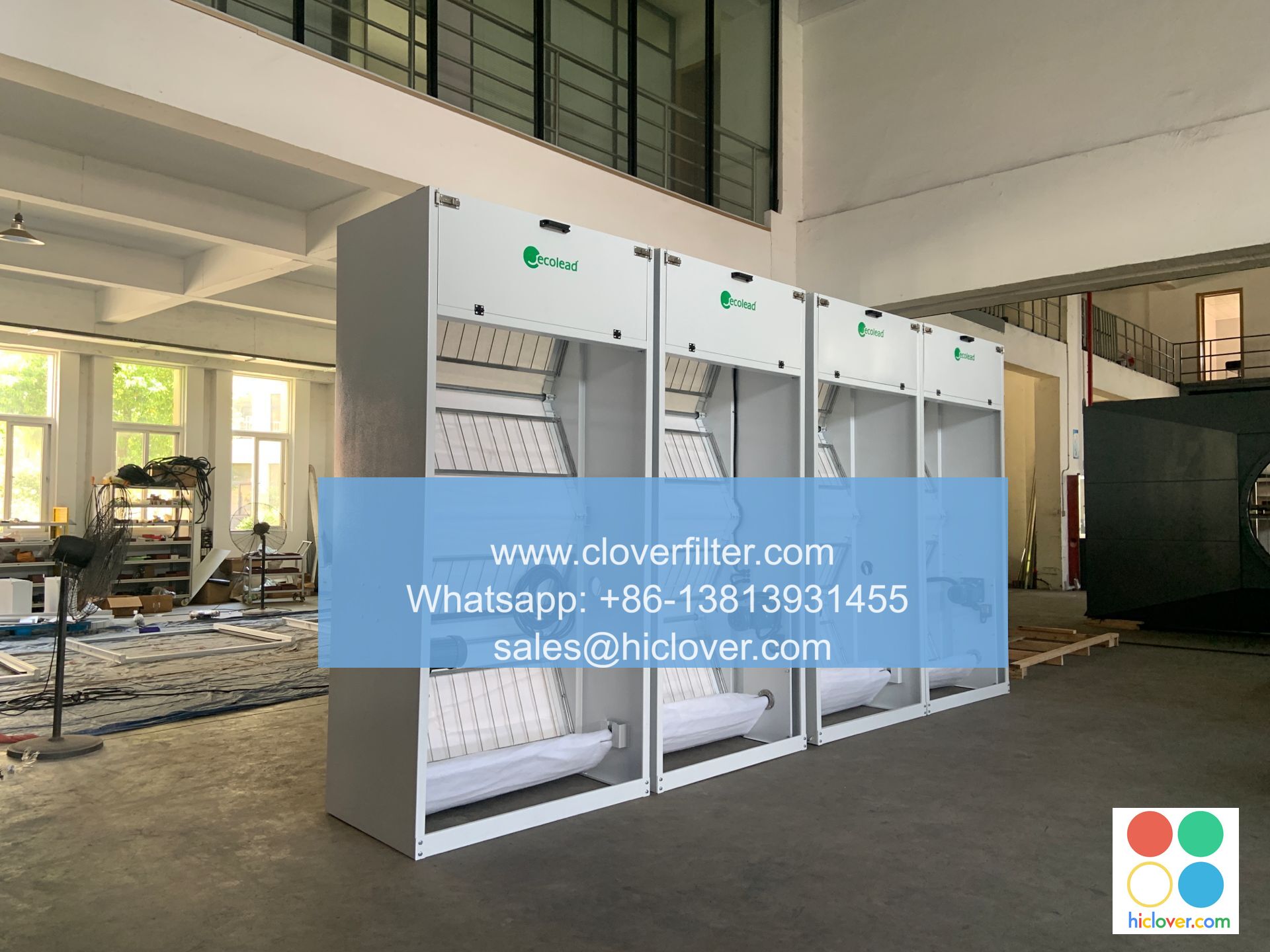
Poultry plants play a crucial role in the global food supply chain, but they also come with unique safety challenges. Ensuring a safe working environment is essential for protecting workers’ health and reducing accidents. One innovative solution that has emerged in recent years is the implementation of automatic roll ventilation systems. This article explores how these systems can significantly improve worker safety in poultry plants, highlighting various application areas.
Understanding Automatic Roll Ventilation

Automatic roll ventilation systems utilize large roll-up doors or screens that regulate airflow and temperature within poultry processing facilities. These systems operate automatically, responding to changes in ambient conditions and indoor air quality. By enhancing ventilation, these systems can mitigate many safety concerns that poultry workers face daily.
Enhanced Air Quality
One of the most significant benefits of automatic roll ventilation is improved air quality. Poultry processing plants often generate considerable airborne contaminants, including feathers, dust, and bacteria. Poor air quality can lead to:
- Respiratory issues
- Allergic reactions
- Increased risk of disease transmission
- A more comfortable working environment
- Reduced risk of heat-related illnesses
- Improved overall worker efficiency
- Decreased cleaning times
- A reduction in slip-and-fall accidents
- Enhanced safety for workers navigating the facility
- Reduced pathogen transmission through controlled airflow
- Minimizing contamination risks from external sources
- Enhanced monitoring of air quality to identify biosecurity threats early
- Cost of installation and maintenance: Investing in automatic ventilation systems can be significant. However, the long-term savings from reduced health risks and liabilities may outweigh initial costs.
- Training for workers: Employees must be trained on how to operate these ventilation systems properly and ensure they understand their importance in ensuring safety.
- Compatibility with existing infrastructure: Facilities may need modifications to support automatic roll ventilation, including retrofitting existing entry points.

By providing consistent and controlled ventilation, these systems help maintain a healthy environment, reducing the burden of airborne pollutants on workers. Regular updates on the indoor air quality can also assist in compliance with occupational safety regulations.
Temperature Control
Poultry plants are frequently subject to high levels of heat, particularly in processing areas where machinery generates additional warmth. Extreme temperatures can lead to heat stress and decrease worker productivity. Automatic roll ventilation enhances temperature regulation by introducing fresh air and allowing hot air to escape. This results in:
Overall, maintaining a balanced temperature not only supports worker safety but also enhances morale and productivity.
Minimizing Slip and Trip Hazards
Wet and slippery floors are common hazards in poultry plants, often caused by water and other fluids during the processing stage. Automatic roll ventilation can help reduce these hazards by facilitating faster drying of wet areas. Improved airflow can lead to:
By addressing slip and trip hazards, poultry plants can foster a safer work environment and minimize potential liabilities.
Benefits for Biosecurity
Biosecurity is critical in the poultry industry, where disease outbreaks can have devastating effects on both animal and human health. Automatic roll ventilation systems improve biosecurity by tightly controlling access points and allowing for better management of air exchange with the outside environment. Key advantages include:
The integration of these systems contributes significantly to biosecurity measures in poultry plants, ensuring a safer environment for both workers and products.
Implementation Challenges and Considerations
While automatic roll ventilation systems offer numerous benefits, their implementation requires careful planning. Poultry plants must consider:
Conclusion
Improving worker safety in poultry plants is an ongoing challenge that requires innovative solutions. Automatic roll ventilation systems represent a vital advancement in this endeavor, offering numerous benefits across various application areas, including air quality enhancement, temperature control, slip hazard mitigation, and biosecurity. By prioritizing the health and safety of workers, poultry facilities can secure their operations while contributing positively to the broader food industry.
For More Information
Learn more about how automatic roll ventilation can transform your poultry processing plant by consulting with industry experts or exploring additional resources online. Prioritize worker safety—it’s a win-win for everyone involved in the poultry supply chain!
It seems like you might be looking for a specific type of prompt or guidance on a topic. Could you please provide more details or clarify what kind of prompt you’re interested in? This could be for writing, art, discussion, or something else entirely!
