Industrial Air Filter Standards for High-Efficiency Applications
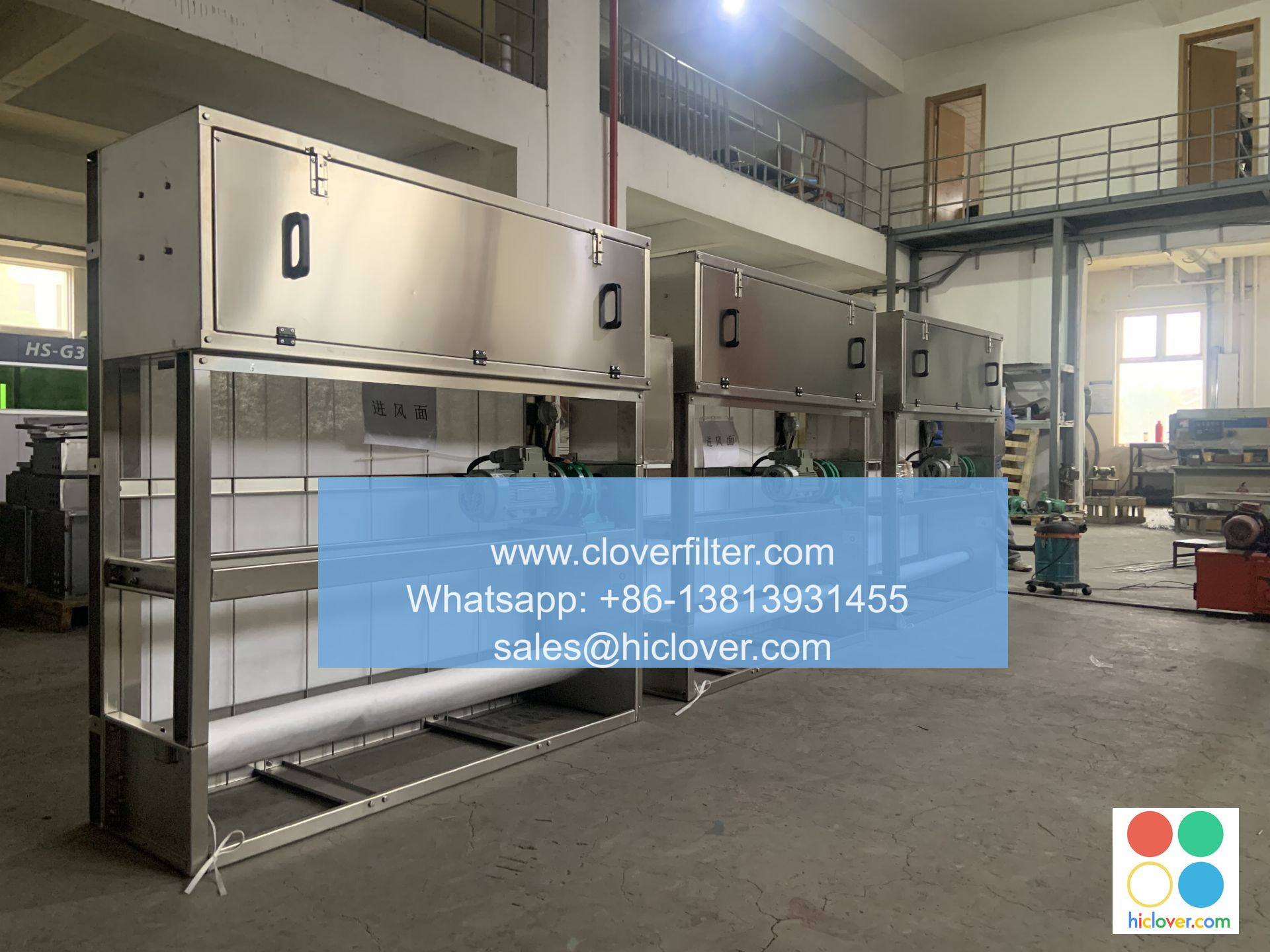
Industrial Air Filter Standards for High-Efficiency Applications: Ensuring Clean Air for Critical Environments
Introduction

In today’s industrial settings, maintaining a clean and healthy air environment is crucial for various reasons, including improved worker productivity, equipment reliability, and overall facility efficiency. However, the ability to achieve high-efficiency air filtration is often hindered by the presence of airborne contaminants, such as dust, pollutants, and pollutants. To overcome this challenge, industrial air filter standards have evolved to provide effective solutions for ensuring a clean and healthy air environment.
The Need for High-Efficiency Air Filtration
High-efficiency air filtration is particularly critical in industries where air quality is a major concern, including:
- Pharmaceutical Manufacturing: To prevent contamination and maintain a sterile environment, pharmaceutical manufacturers rely on high-efficiency air filters to remove impurities and ensure product quality.
- Food Processing and Storage: Food processors and storage facilities require air filters that can capture microbial contaminants, allergens, and other airborne pollutants to prevent product spoilage and contamination.
- Healthcare Facilities and Hospitals: High-efficiency air filters are essential for maintaining a healthy environment, free from airborne pathogens and pollutants, to protect patients and healthcare workers.
- ASTM Standards: The American Society for Testing and Materials (ASTM) provides guidelines for air filter design, testing, and performance, including standards for filtering efficiency, pressure drop, and flow rates.
- irus 42.2: MERV-15 (Minimum Efficiency Reporting Value) is a standardized test method for evaluating air filter performance, with MERV-15 representing the highest level of filtering efficiency.
- F5: The International Organization for Standardization (ISO) provides the F5 standard, which defines the methodology for testing and classifying air filter performance based on particle size and efficiency.
- High-efficiency media: Advanced filter media, such as synthetic fibers, polyester, and nanofibers, offer higher filtering efficiency and longer lifespan.
- Higher MERV rating: A higher MERV rating indicates better filtering efficiency, with MERV-15 being the highest level of efficiency.
- Design and construction: Finer pore sizes, extra layers, and specialized media can enhance filter performance and extend service life.
- Optional additives and treatments: Coatings, mesh, and electrically charged additives can further enhance filter performance and efficiency.
- "A Guide to High-Efficiency Air Filters" [PDF]
- "Air Filter Standards and Regulations: A Guide" [PDF]
- "High-Efficiency Air Filter Deployment Plans for Critical Industries" [Whitepaper]

Industrial Air Filter Standards
To ensure high-efficiency air filtration, various standards have been established:
Key Features of High-Efficiency Air Filters
To achieve high-efficiency air filtration, industrial air filters should possess the following key features:
Conclusion
In conclusion, high-efficiency air filters are essential for maintaining a clean and healthy air environment in various industrial settings. By understanding industry standards, such as ASTM, ISO, and MERV, and incorporating key features like high-efficiency media, higher MERV ratings, and specialized design, industries can ensure optimal air filtration for improved productivity, equipment reliability, and overall efficiency.
Additional Resources:
About the Author:
[Your Name] is a seasoned industrial air filtration expert with over 10 years of experience in the field. With a strong background in engineering, [Your Name] has developed a deep understanding of industrial air filter standards, regulations, and performance requirements, helping industries maintain optimal air quality and efficiency.
I’m here! What would you like to talk about or ask?
