Industry Standards and Regulations for Automatic Roll Air Filters in Electronics Manufacturing: A Guide for Mexicali Facilities
Introduction
The manufacturing of electronic components is a highly sensitive process that requires strict adherence to industry standards and regulations. In this context, automatic roll air filters play a crucial role in maintaining optimal environmental conditions. This article provides a detailed guide for manufacturing facilities in Mexicali, covering essential regulations, standards, and application areas of automatic roll air filters.

Understanding Automatic Roll Air Filters
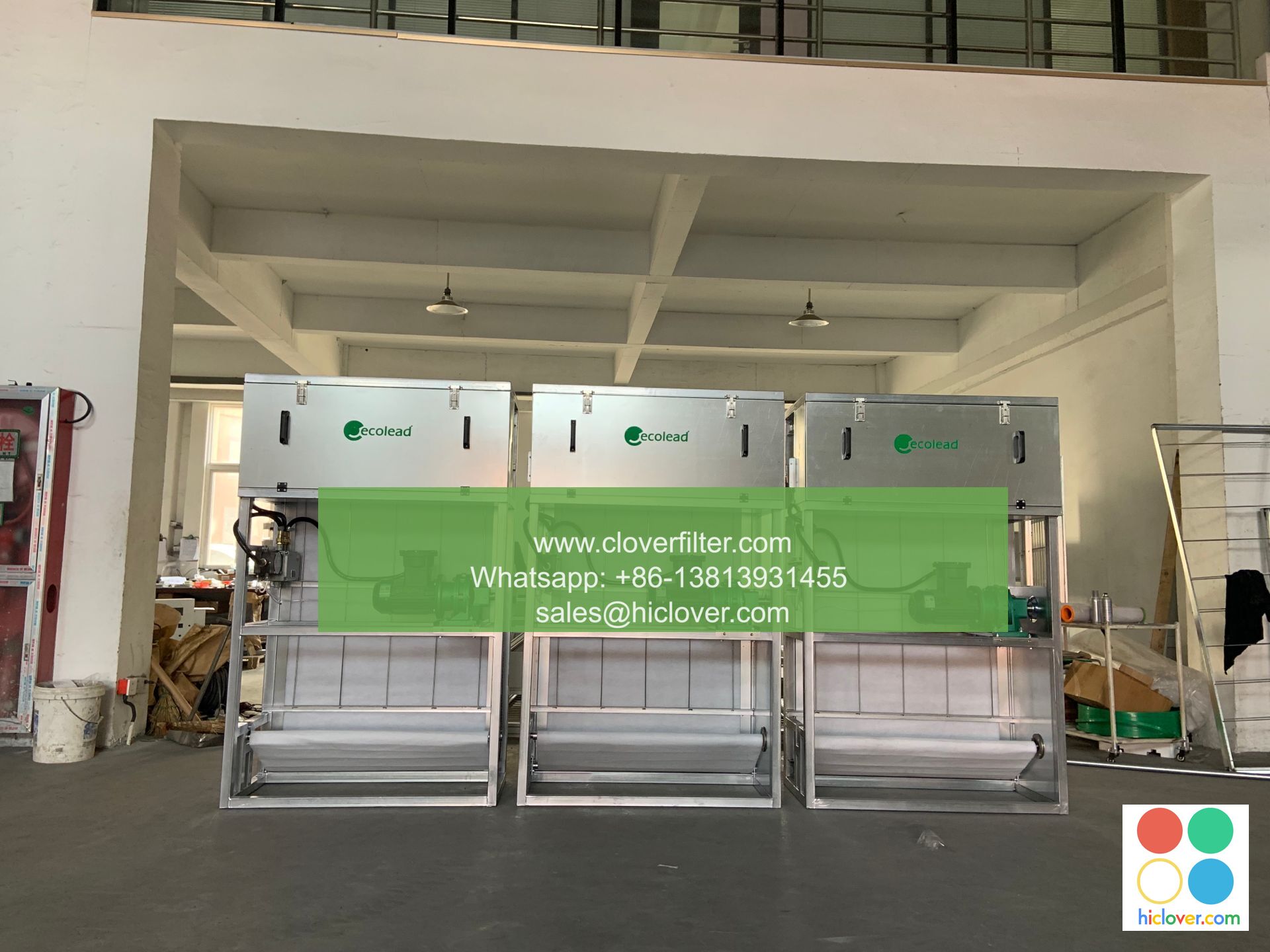
Automatic roll air filters are advanced filtration systems designed to enhance air quality in industrial settings. They are especially important in electronics manufacturing where dust, airborne particles, and contaminants can significantly impact product quality. These filters operate by continuously rolling and replacing the filtration medium, which guarantees consistent high efficiency and reduced downtime.
Key Industry Standards
ISO Standards
The International Organization for Standardization (ISO) provides comprehensive guidelines that manufacturing facilities must follow. Key standards related to air quality include:
- ISO 14644 – This standard governs cleanroom environments, addressing airborne particulate contamination.
- ISO 9001 – Focuses on quality management systems, ensuring that products meet customer and regulatory requirements.
AMCA Certification
The Air Movement and Control Association (AMCA) offers certifications that guarantee the performance of air filters. Facilities should seek AMCA-certified filters to ensure compliance with air quality performance standards.
Regulatory Compliance
Local Environmental Regulations
Mexicali facilities must comply with local environmental regulations that dictate emission levels and workplace safety. The Mexican Environmental Protection Agency sets guidelines on air quality and waste management that must be rigorously adhered to.
Health and Safety Regulations
In alignment with OSHA regulations, companies must implement measures that ensure the safety of their workers from exposure to hazardous materials that may be airborne during manufacturing processes.
Application Areas of Automatic Roll Air Filters
Semiconductor Manufacturing
In the semiconductor industry, these filters are critical for achieving the cleanliness levels required during the fabrication of chips, where even minute particles can result in significant product defects.
PCB Production
For Printed Circuit Board (PCB) production, maintaining a contaminant-free environment enhances product reliability and performance, making automatic roll air filters indispensable.
Assembly Lines
In assembly line operations, automatic roll air filters help in controlling humidity and temperature, which are vital for processes such as soldering and component placement.
Choosing the Right System for Mexicali Facilities
When selecting automatic roll air filters, it is essential to consider factors such as filtration efficiency, maintenance requirements, and compliance with local regulations. Facilities should conduct thorough research and possibly consult with experts to ensure they choose systems that best suit their operational needs.
Conclusion
Compliance with industry standards and regulations regarding automatic roll air filters is crucial for Mexicali electronics manufacturing facilities. By understanding these requirements and selecting the appropriate filtration systems, manufacturers can enhance product quality, ensure employee safety, and operate within legal constraints. Keeping abreast of evolving standards and technologies will further ensure operational excellence in this competitive industry.
