Innovations in Roll Media Dust Filtration for Nakuru’s Textile Sector

Nakuru’s textile industry is a vibrant and integral part of Kenya’s economy, contributing significantly to employment and export revenue. However, the sector also faces considerable challenges, particularly concerning air quality and dust management. In response, innovations in roll media dust filtration technology have emerged, offering solutions that not only enhance operational efficiency but also promote environmental sustainability.
The Need for Advanced Filtration Solutions
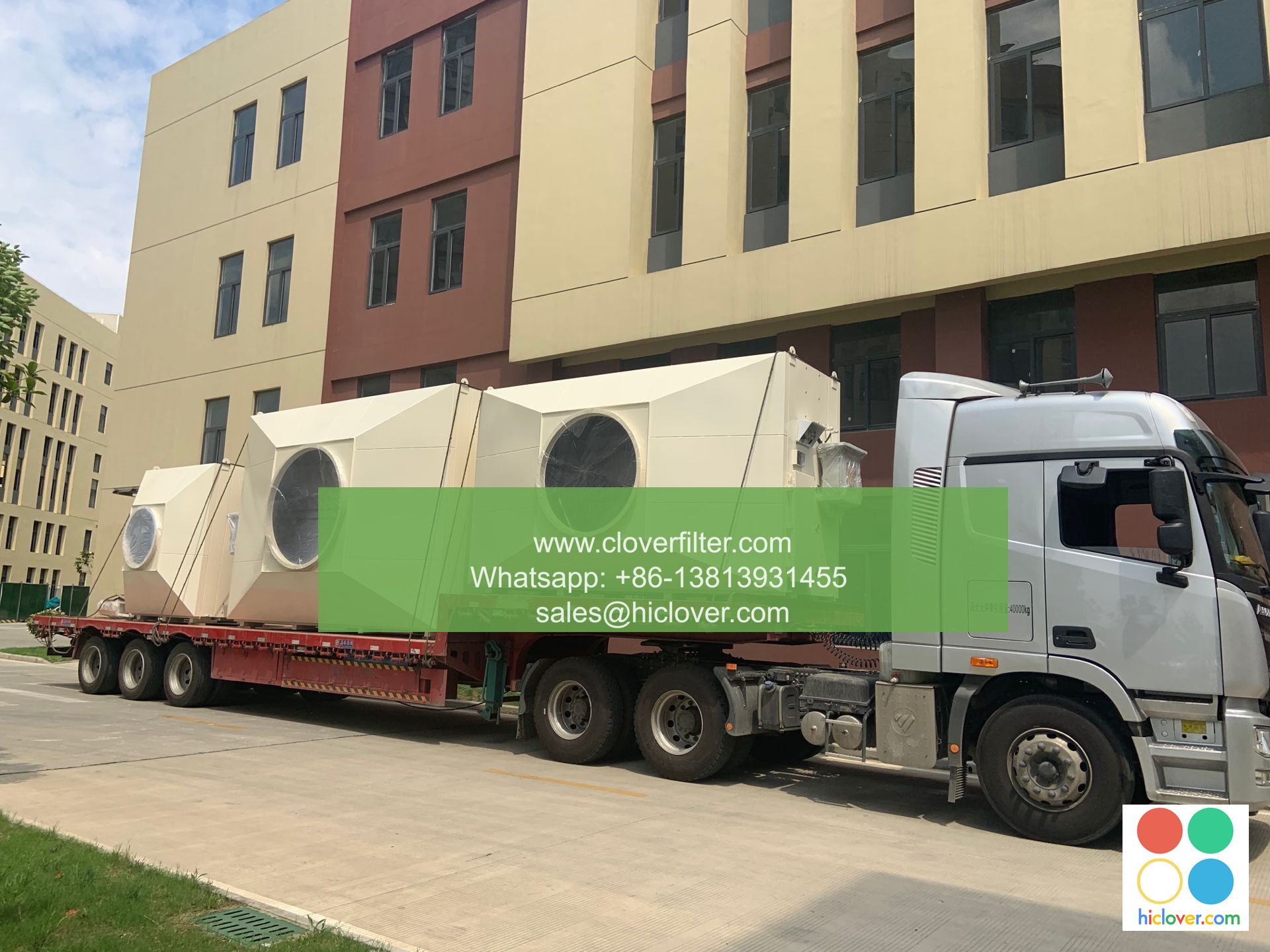
The textile manufacturing process generates substantial amounts of dust and airborne particles, which can negatively impact both human health and product quality. Traditional dust collection systems often fall short in efficiency and effectiveness, leading to increased operational costs and regulatory compliance challenges. Thus, the adoption of roll media dust filtration technology has become crucial in Nakuru’s textile sector.
Innovative Roll Media Filtration Technologies
1. High-Efficiency Particulate Air (HEPA) Filters
HEPA filters are becoming increasingly popular in Nakuru’s textile factories. These filters trap 99.97% of particles as small as 0.3 microns, ensuring cleaner air and a healthier work environment. Their performance in dust and particulate removal makes them a top choice for the textile sector.
2. Electrostatic Precipitators
Electrostatic precipitators (ESPs) represent another cutting-edge solution. They use electrical charges to remove dust particles from the air, reducing reliance on disposable filters. This technology not only lowers waste but also minimizes operating costs over the long term, proving beneficial for textile manufacturers concerned about environmental impact.

3. Nanofiber Filter Media
As an emerging technology, nanofiber filtration offers unique advantages over traditional roll media. The incredibly fine fibers create a larger surface area for dust capture, resulting in higher filtration efficiency. This innovative approach can meet the specific dust control needs of Nakuru’s textile sector while reducing energy consumption.
Application Areas in the Textile Sector
1. Spinning and Weaving
During the spinning and weaving stages, high dust levels can hinder machinery performance and lead to quality issues. Implementing roll media dust filtration systems ensures that these processes remain uninterrupted, optimizing operational efficiency and enhancing finished product quality.
2. Dyeing and Finishing
The dyeing and finishing processes not only generate considerable dust but also involve harmful chemicals. Effective filtration can mitigate potential hazards associated with airborne pollutants, protecting workers’ health and ensuring compliance with environmental regulations.
3. Maintenance and Clean Rooms
Proper maintenance of machinery and clean environments in textile mills are essential for smooth operations. Roll media dust filtration systems provide an optimal solution, reducing the likelihood of equipment failure due to dust accumulation and maintaining cleanliness in critical areas.
Conclusion
As Nakuru’s textile industry continues to grow, the implementation of innovative roll media dust filtration technologies is essential for creating sustainable and efficient manufacturing environments. By addressing air quality concerns, these technologies not only enhance operational efficiency but also contribute to the overall health and safety of the workforce. Embracing these innovations positions Nakuru as a forward-thinking player in the textile sector, setting a positive example for industries across the region.
It seems like you might be asking for a prompt for writing or discussion. Could you please specify the type of prompt you are looking for? For example, are you interested in a creative writing prompt, a discussion question, or something else?
