Innovative Air Filter Designs for Healthcare Applications
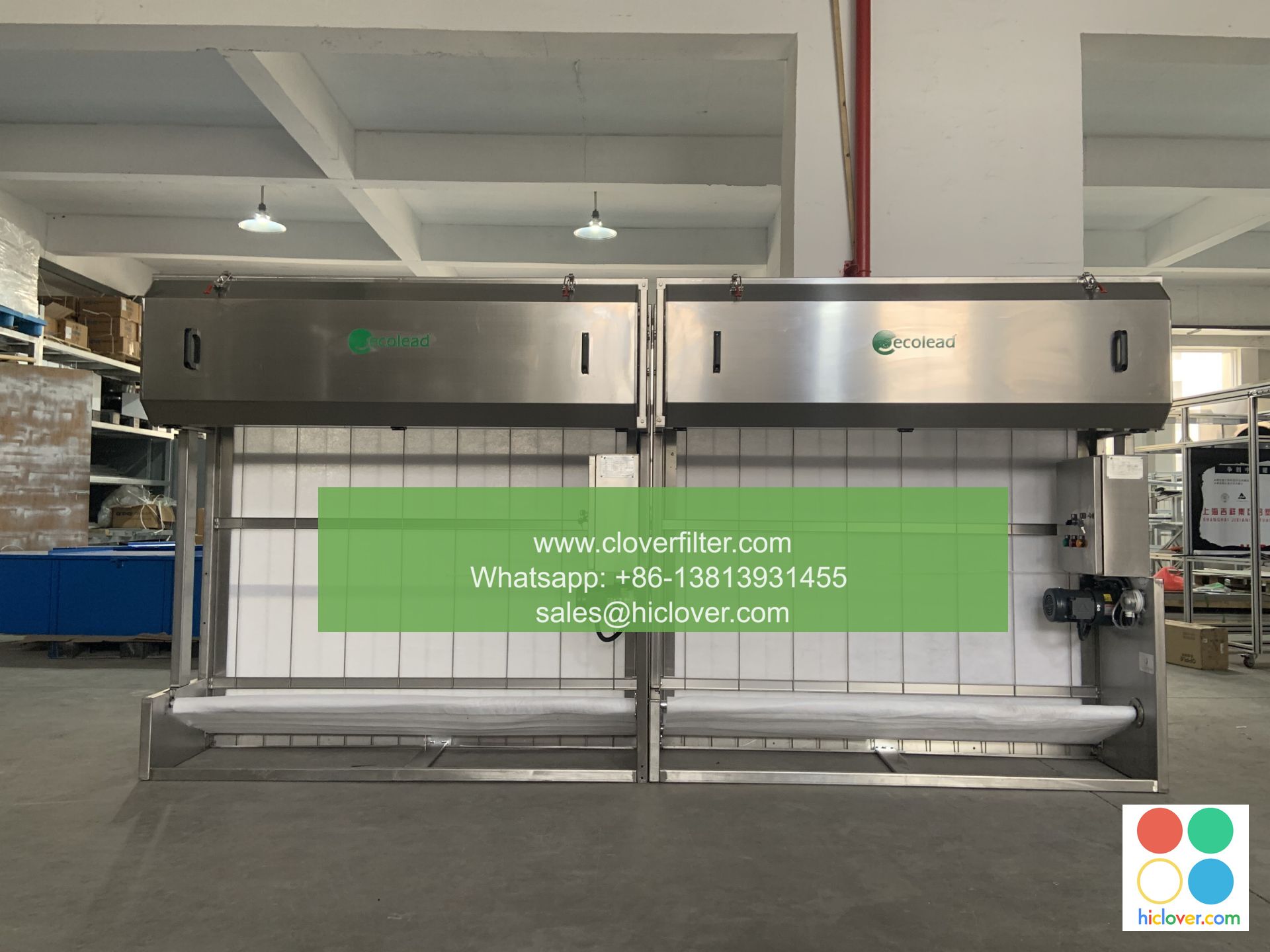
In the ever-evolving landscape of healthcare, maintaining high air quality has become a pivotal focus for hospitals, clinics, and other medical facilities. Innovative air filter designs play a critical role in ensuring patient safety, reducing infection rates, and improving overall environmental conditions. This article explores new technological advancements and their applications in the healthcare sector.
Understanding the Importance of Air Quality in Healthcare

Air quality is vital in healthcare settings. Contaminated air can harbor pathogens, allergens, and other harmful particles, leading to increased hospital-acquired infections (HAIs) and potentially jeopardizing patient health. Therefore, innovative air filters are essential for:
- Eliminating harmful airborne pathogens
- Filtering out allergens and irritants
- Enhancing overall air circulation and quality
1. HEPA Filtration Technologies
High-Efficiency Particulate Air (HEPA) filters have long been the standard in healthcare settings. Recent innovations in HEPA technology have led to:

- Ultra-Fine Particle Filtration: Advanced HEPA filters can now capture particles smaller than 0.3 microns, including viruses and bacteria.
- Electrostatic Enhancement: Electrostatic charges enhance the filter’s ability to attract and capture harmful particles, increasing efficiency.
2. Ultraviolet (UV) Light Integration
Coupling air filters with UV-C light technology is a promising innovation. This combination offers:
- Disinfection Capabilities: UV light can neutralize pathogens that pass through the filter, rendering them harmless.
- Extended Filter Lifespan: UV exposure can help reduce the viral load on filters, prolonging their effectiveness and lifespan.
3. Smart Air Quality Monitoring Systems
Integration of IoT (Internet of Things) technology in air filtration systems represents a transformative approach. Smart air filters provide:
- Real-Time Monitoring: Sensors track air quality metrics, allowing for immediate responses to poor air conditions.
- Predictive Maintenance: Advanced analytics help predict when filters need changing, minimizing downtime and ensuring optimal performance.
4. Biodegradable and Sustainable Filters
As sustainability becomes a focal point in healthcare, innovative air filters made from biodegradable materials are gaining traction. These filters offer:
- Environmental Benefits: Reducing single-use plastic waste typically associated with traditional filters.
- Efficient Performance: Sustainable materials can maintain high efficiency and effectiveness in air purification.
5. Customized Filters for Specialized Healthcare Needs
Catering to diverse healthcare needs, customized air filters are becoming increasingly popular. Some applications include:
- Operating Rooms: Specialized filters that can handle higher air exchanges per hour to minimize the risk of infection.
- Laboratories: Filters designed to mitigate chemical exposure and ensure safety in environments dealing with hazardous materials.
Conclusion
Innovative air filter designs are pivotal in enhancing air quality, promoting patient safety, and ensuring compliance with stringent healthcare standards. As technology advances, the solutions being developed are not only more efficient but also more environmentally conscious. The future of air filtration in healthcare looks promising, paving the way for healthier environments for both patients and healthcare professionals alike.
It seems like you entered “Prompt.” Could you please provide more details or specify what you would like assistance with? Whether it’s writing, brainstorming ideas, or answering questions, I’m here to help!
