Innovative Air Filter Technologies for Improved Air Quality
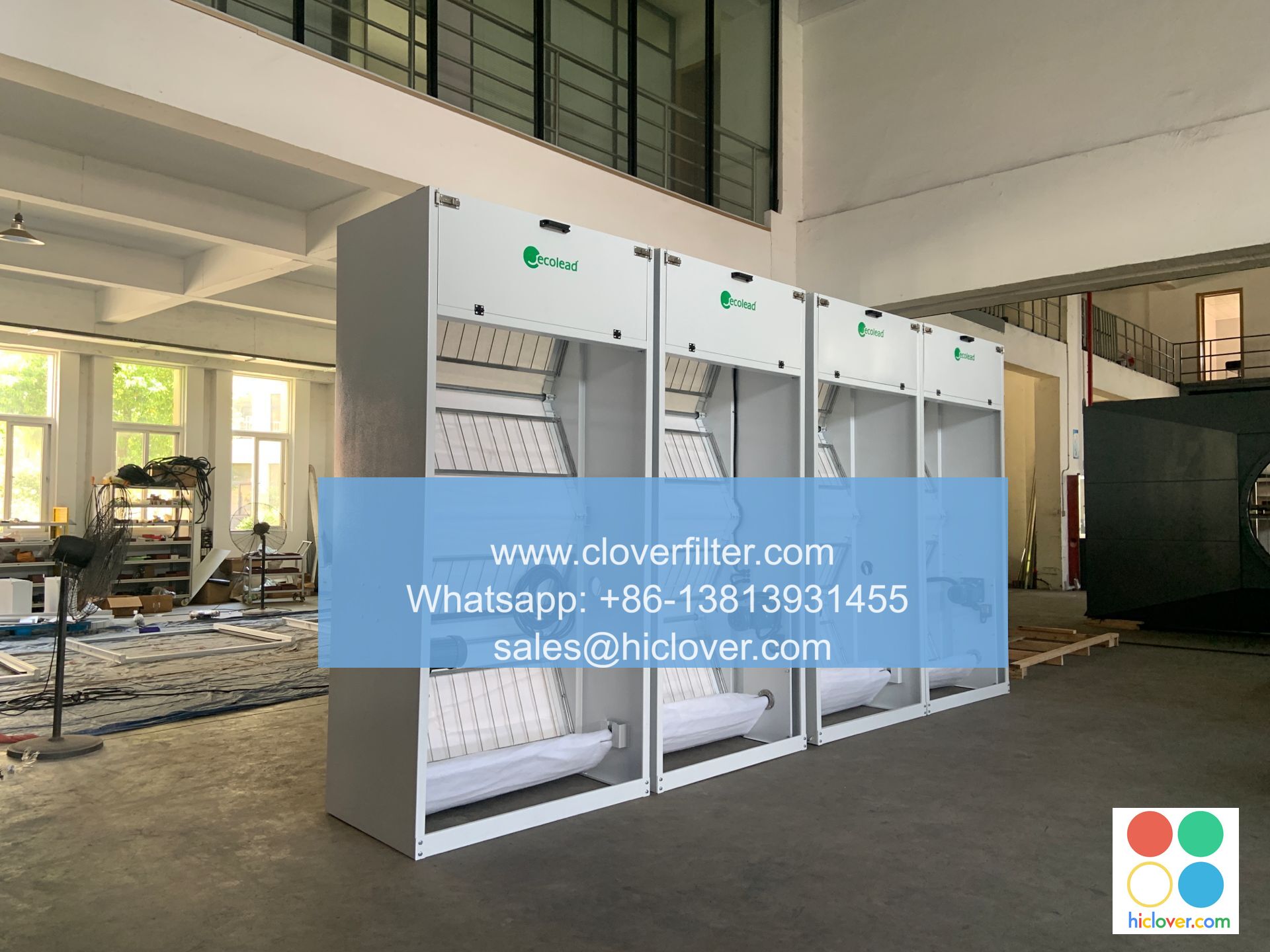
The increasing concern about air pollution and its detrimental effects on human health has led to a surge in demand for innovative air filter technologies. These cutting-edge solutions are designed to provide improved air quality, enhancing the well-being and productivity of individuals in various settings, including indoor air quality and outdoor air quality monitoring. In this article, we will explore the latest advancements in air filter technologies, highlighting their applications in commercial air filtration, industrial air purification, and residential air cleaning.
Advancements in Air Filter Technologies
Recent years have seen significant advancements in air filter technologies, including the development of nanofiber filters, activated carbon filters, and UV air purifiers. These innovative solutions offer improved air filtration efficiency, air purification capacity, and odor removal capabilities. Moreover, the integration of Internet of Things (IoT) technology and artificial intelligence (AI) has enabled the creation of smart air filters that can detect and respond to changes in air quality, providing real-time air quality monitoring and air pollution control.
Application Areas
Innovative air filter technologies have a wide range of applications across various industries, including:
* Commercial air filtration: Offices, shops, and restaurants can benefit from improved indoor air quality, reducing the risk of airborne diseases and improving occupant health and productivity.
* Industrial air purification: Manufacturing facilities, chemical plants, and other industrial settings require efficient air filtration systems to remove hazardous particles and volatile organic compounds (VOCs) from the air.
* Residential air cleaning: Homeowners can enjoy improved indoor air quality, reducing the risk of respiratory problems and allergies, with the help of advanced air filter technologies.
* Transportation air quality: The development of vehicle air filters and public transportation air purification systems can improve air quality in cars, buses, and trains, reducing the risk of air pollution-related health problems.
Key Benefits
The implementation of innovative air filter technologies offers numerous benefits, including:
* Improved indoor air quality: Reduced risk of airborne diseases, improved occupant health and productivity, and enhanced overall well-being.
* Increased energy efficiency: Advanced air filter technologies can help reduce energy consumption, minimizing the environmental impact of heating, ventilation, and air conditioning (HVAC) systems.
* Enhanced air pollution control: Effective removal of hazardous particles, VOCs, and other pollutants from the air, reducing the risk of air pollution-related health problems.
Conclusion
Innovative air filter technologies have the potential to revolutionize the way we approach air quality management, providing improved indoor and outdoor air quality, and reducing the risk of air pollution-related health problems. As the demand for clean air and healthy environments continues to grow, the development and implementation of advanced air filter technologies will play a crucial role in shaping the future of air quality monitoring and air pollution control. Prompt
