Innovative Air Filtration Solutions for Monterrey’s Biosafety Laboratories
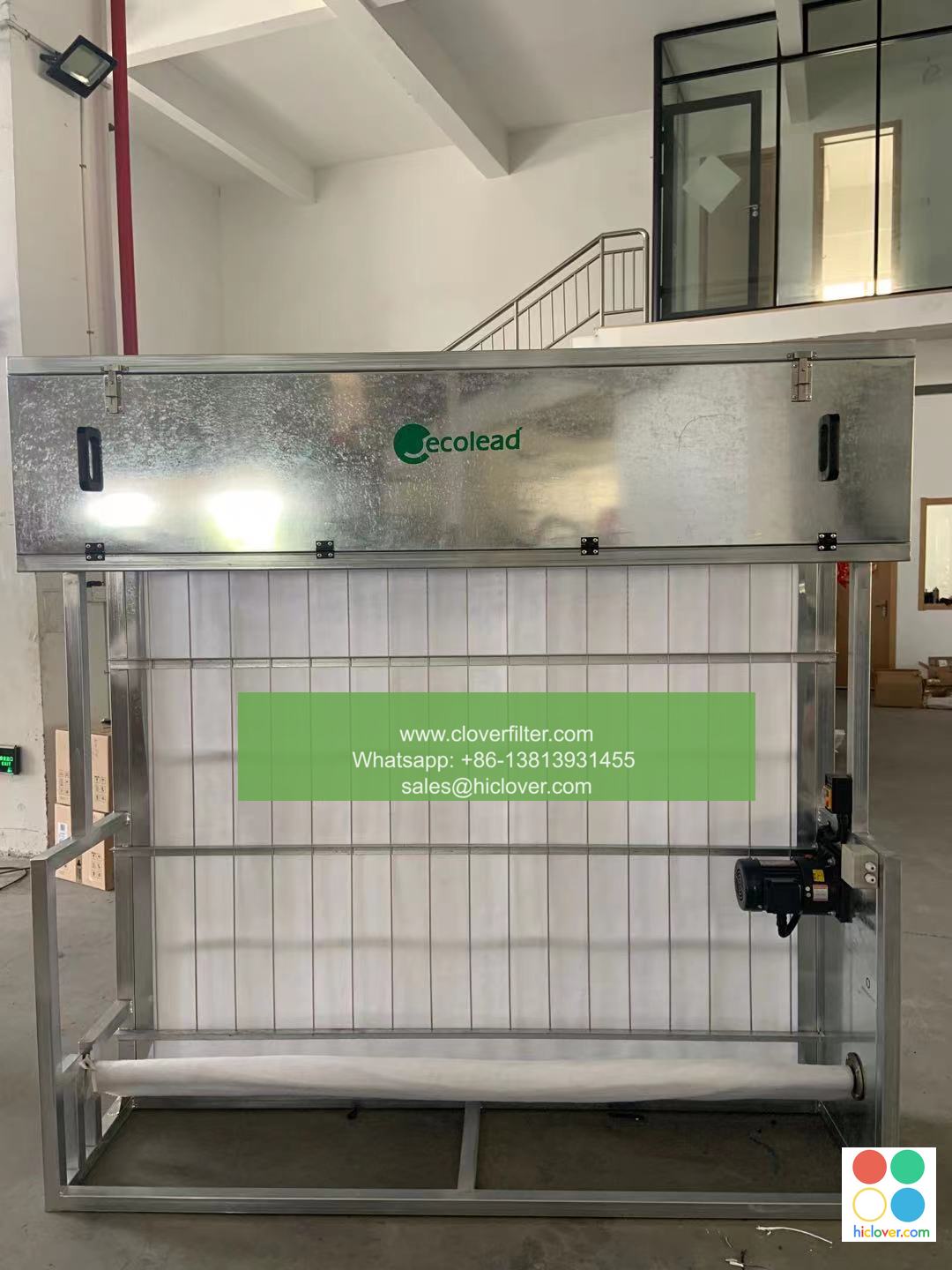
The city of Monterrey, Mexico, is home to a growing number of biosafety laboratories, which require specialized air filtration systems to ensure the safety of personnel, the environment, and the community. In this article, we will explore the latest innovative air filtration solutions designed specifically for biosafety laboratories in Monterrey, highlighting various application areas and Key Performance Indicators (KPIs) such as HEPA filtration, ULPA filtration, and 气 flux management.
Introduction to Biosafety Laboratories
Biosafety laboratories in Monterrey handle a wide range of biological agents, from low-risk microorganisms to high-risk pathogens, requiring strict Biosafety Level (BSL) controls to prevent contamination and exposure. The air filtration systems used in these laboratories must be designed to capture submicron particles, viral particles, and bacterial spores, ensuring a safe working environment for researchers and technicians.
Innovative Air Filtration Solutions
Several innovative air filtration solutions are available for biosafety laboratories in Monterrey, including:
* HEPA-ULPA Filtration Systems: These systems use high-efficiency particulate air (HEPA) and ultra-low penetration air (ULPA) filters to capture 99.97% of particles as small as 0.3 microns, ensuring optimal air quality control and biosafety.
* Modular Air Filtration Systems: These systems offer flexibility and scalability, allowing laboratories to customize their air filtration solutions to meet specific regulatory requirements and application needs.
* Energy-Efficient Air Filtration Solutions: These solutions use advanced fan technologies and filter designs to minimize energy consumption while maintaining optimal air filtration performance.
Application Areas
Innovative air filtration solutions can be applied in various areas of biosafety laboratories in Monterrey, including:
* Research Laboratories: Air filtration systems can be used to maintain sterile environments for research activities, such as cell culture and microbiological analysis.
* Biocontainment Facilities: Air filtration systems can be used to prevent the release of pathogenic agents into the environment, ensuring community safety and environmental protection.
* Vaccine Production Facilities: Air filtration systems can be used to maintain high-purity environments for vaccine production, ensuring product quality and patient safety.

Conclusion
Innovative air filtration solutions play a critical role in maintaining the safety and integrity of biosafety laboratories in Monterrey. By selecting the right air filtration system, laboratories can ensure compliance with regulatory requirements, maintain optimal air quality, and protect personnel, the environment, and the community. As the demand for biosafety laboratories continues to grow in Monterrey, the need for effective and efficient air filtration solutions will become increasingly important, driving innovation and advancement in this field.
