Innovative Air Filtration Solutions for Nairobi’s EV Battery Plants
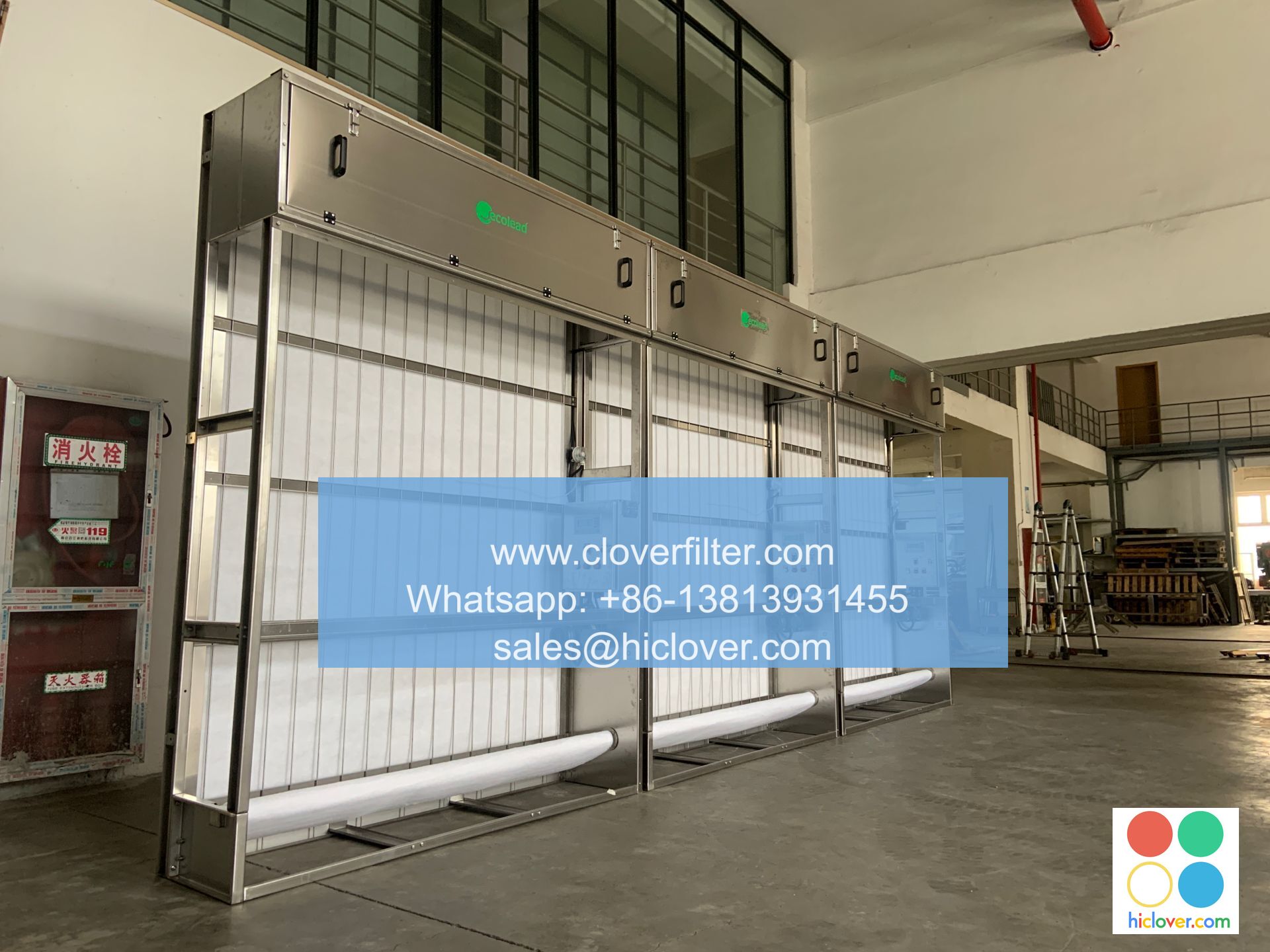
The Importance of Air Quality in EV Battery Manufacturing

As Nairobi embraces electric vehicle (EV) technology, the establishment of EV battery plants has become increasingly significant. These facilities play a crucial role in producing batteries that power the future of transport. However, they also generate emissions and particulate matter that pose risks to air quality. Implementing advanced air filtration solutions is essential for maintaining a safe and sustainable environment in these manufacturing plants.
Identifying Key Applications of Air Filtration in Battery Manufacturing
Air filtration systems in EV battery plants must cater to various applications:
- Dust Control: Prevent dust from affecting sensitive manufacturing processes.
- Chemical Pollutants: Capture harmful fumes released during battery production.
- Temperature Regulation: Assist cooling systems in maintaining optimal operating temperatures.
- Improved Workplace Environment: Enhance employee health and productivity by ensuring clean air.
- Healthier Work Environment: Reduces exposure to harmful pollutants, promoting employee wellness.
- Enhanced Product Quality: Maintains optimal conditions for battery production, ensuring reliability and longevity.
- Regulatory Compliance: Meets air quality standards set by local and international health organizations.
- Sustainability: Contributes to a greener manufacturing process, aligning with global sustainable development goals.

Innovative Air Filtration Technologies
The implementation of cutting-edge air filtration technologies can transform the air quality in EV battery plants. Here are some notable solutions:
1. HEPA Filtration Systems
High-Efficiency Particulate Air (HEPA) filters can remove up to 99.97% of particles, including dust, pollen, and smoke. In EV battery plants, HEPA filters help maintain clean air by eliminating hazardous materials that could compromise battery integrity.
2. Activated Carbon Filters
Activated carbon filters excel at absorbing volatile organic compounds (VOCs) and other odor-causing pollutants found in battery production. Integrating these filters can significantly enhance indoor air quality, thus safeguarding both workers and the environment.
3. Electrostatic Precipitators
Electrostatic precipitators utilize electric charges to trap particles from the air. This technology can efficiently remove fine particulate matter generated during battery manufacturing, contributing to cleaner air and a healthier work environment.
4. Ultraviolet (UV) Air Purifiers
UV air purifiers can kill airborne bacteria and viruses, ensuring a sterile environment. This is particularly important in battery manufacturing, where contamination can lead to compromised product quality.
Benefits of Implementing Advanced Air Filtration Solutions
Employing innovative air filtration systems in Nairobi’s EV battery plants offers numerous benefits:
Conclusion
As Nairobi forges ahead with its electric vehicle initiative, the importance of implementing innovative air filtration solutions in EV battery plants cannot be overstated. By prioritizing air quality, manufacturers can ensure safe, efficient, and environmentally friendly operations. Investing in these advanced filtration systems not only protects workers but also boosts product quality and contributes to a sustainable future.
It looks like you entered “Prompt.” How can I assist you with that? Are you looking for a specific type of prompt, such as writing, creative, or something else? Let me know!
