Innovative Dust Management Solutions for Steel Fabrication Plants in Tanzania
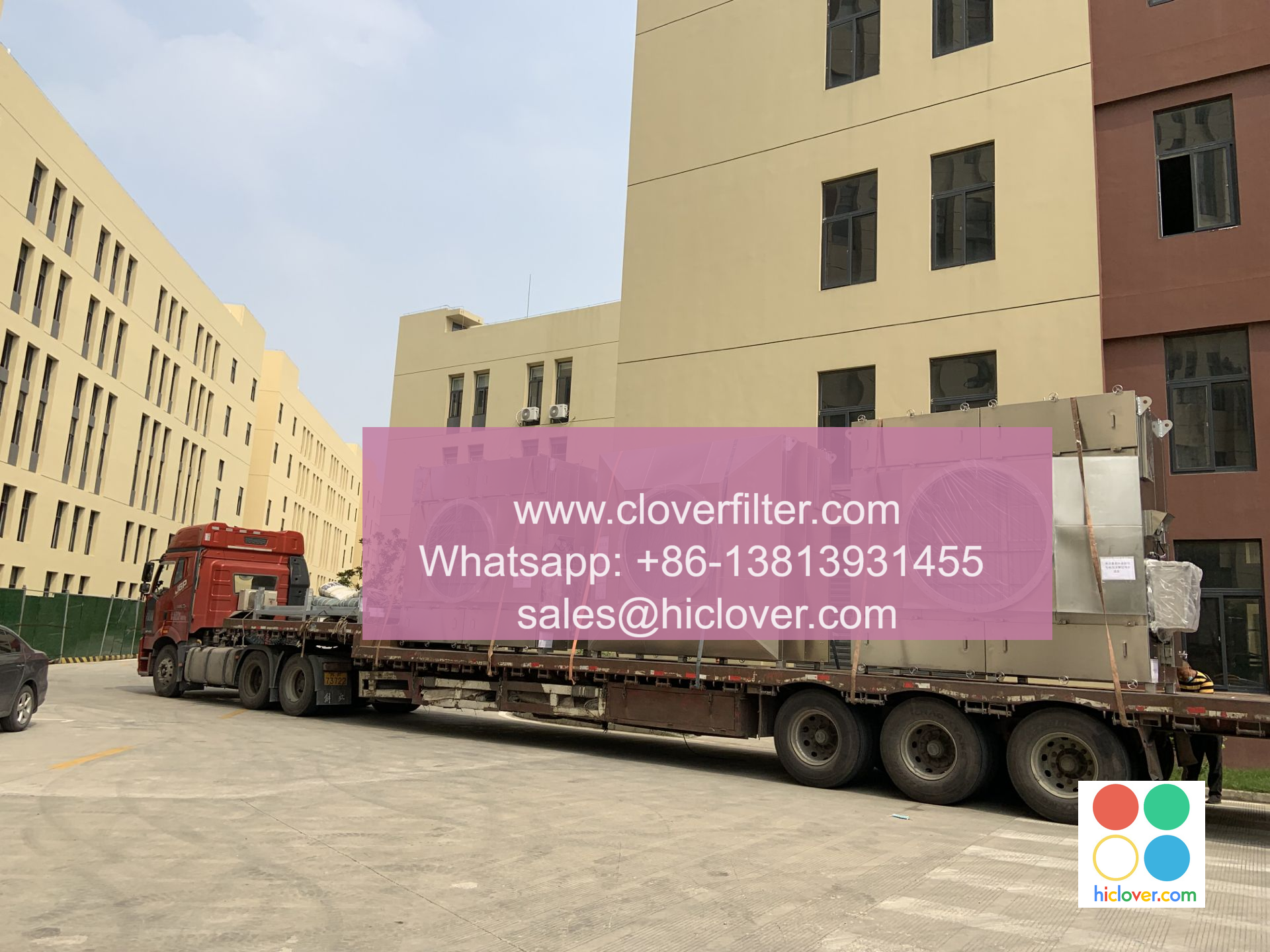
In recent years, the steel fabrication industry in Tanzania has experienced remarkable growth, driven by government infrastructure projects and increasing urbanization. However, this growth brings challenges, especially regarding dust management. Effective dust management is crucial for maintaining a safe work environment and ensuring compliance with environmental regulations. In this article, we explore innovative dust management solutions tailored for steel fabrication plants in Tanzania, focusing on various application areas.
The Importance of Dust Management in Steel Fabrication

Dust generated during the steel fabrication process is not only a health hazard for workers but also impacts equipment performance and the surrounding environment. Prolonged exposure to metal dust can lead to respiratory issues among workers, while excess dust can lead to costly equipment maintenance and environmental concerns. Therefore, implementing effective dust management solutions is essential for worker safety and regulatory compliance.
Innovative Dust Management Technologies
1. Advanced Filtration Systems
One of the most effective ways to manage dust in steel fabrication plants is through advanced filtration systems. These systems utilize high-efficiency particulate air (HEPA) filters that can capture fine metal dust particles. Dust collection units can be installed at critical points throughout the facility to ensure efficient dust removal without interrupting the workflow.
2. Automated Dust Suppression Systems
Automated dust suppression systems, which use water mist or foam, are increasingly being adopted in steel fabrication plants. These systems activate when dust is detected, minimizing water usage and ensuring that dust does not become airborne. Such solutions are especially effective during cutting, grinding, and welding processes.
3. Vacuum Extraction Solutions
Vacuum extraction systems are another innovative solution that can be utilized in steel fabrication plants. These portable units can be easily moved and attached to various tools, capturing dust directly at the source as operations occur. This method not only improves air quality but also enhances the quality of the fabricated steel by reducing contamination.
Application Areas of Dust Management Solutions
1. Welding Operations
Welding processes are a significant source of dust and fumes in steel fabrication. Implementing localized extraction systems can significantly reduce exposure for welders, promoting a healthier work environment.
2. Grinding and Cutting Tasks
These tasks generate a significant amount of particulate matter. Utilizing advanced filtration systems in these areas can effectively capture the dust generated, protecting workers and ensuring cleaner air in the workspace.
3. Material Handling Areas
Dust can become airborne during the movement and handling of steel materials. Installing dust suppression systems in these areas minimizes the dust generated during loading, unloading, and transport, contributing to overall site cleanliness.
Compliance and Environmental Impact
With stringent environmental regulations emerging in Tanzania, steel fabrication plants must prioritize dust management strategies to remain compliant. Potential penalties for non-compliance can be severe, making it essential for companies to adopt innovative dust management solutions. Moreover, implementing these solutions can enhance the overall sustainability of the operation, aligning with Tanzania’s goals for a greener, healthier industrial landscape.
Conclusion
As the steel fabrication industry in Tanzania continues to grow, adopting innovative dust management solutions will be critical for improving worker safety, maintaining compliance, and reducing environmental impact. By investing in advanced filtration systems, automated dust suppression, and effective vacuum extraction solutions, steel fabrication plants can create a safer and more efficient working environment. The future of the industry depends on embracing these innovations to drive sustainable growth and operational excellence.
Hello! How can I assist you today? If you have a prompt or a specific topic in mind that you’d like to discuss or explore, feel free to share!
