Innovative Solutions: Implementing Automatic Roll Filtration in Archives
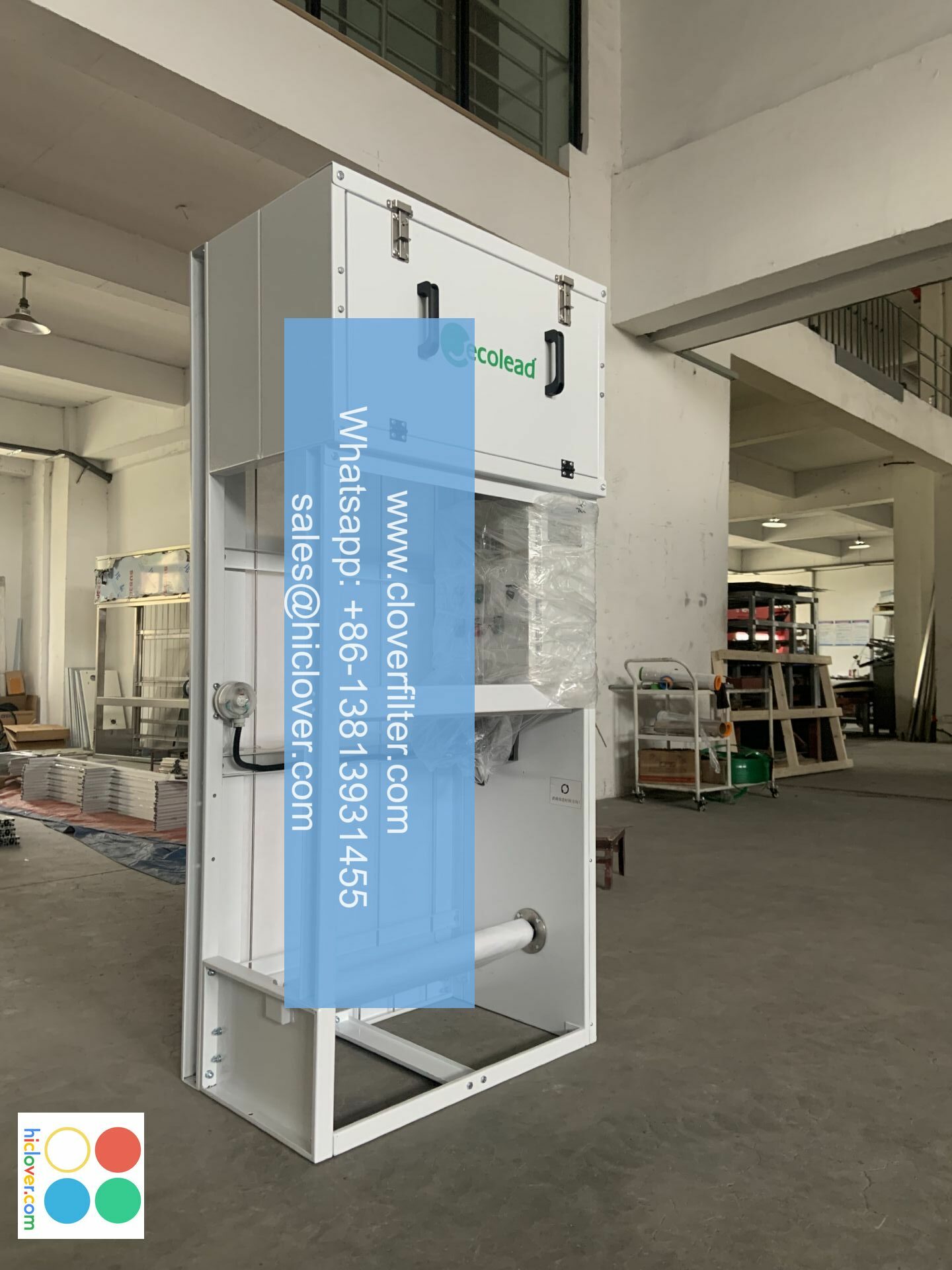
In an era where data preservation and management are paramount, automatic roll filtration emerges as a groundbreaking solution for modern archives. With increasing volumes of digital and physical content, organizations are compelled to seek effective means to manage their repositories efficiently.
What is Automatic Roll Filtration?

Automatic roll filtration refers to the process of electronically filtering and organizing archival materials based on predefined criteria. Using advanced algorithms and machine learning, automatic roll filtration can streamline the archival process, enhance accessibility, and improve the long-term preservation of documents.
Key Benefits of Automatic Roll Filtration
- Efficiency: Automating the filtration process accelerates sorting and categorization, saving significant time.
- Accuracy: Machine-driven solutions reduce human error, ensuring that archival data is correctly classified and stored.
- Scalability: The technology can adapt to growing volumes of materials, making it suitable for large-scale archive environments.
- Accessibility: Improved indexing systems enable users to access documents quickly and efficiently.

Application Areas of Automatic Roll Filtration
The implementation of automatic roll filtration extends beyond traditional archival practices. Here are several key application areas:
1. Digital Archives
In digital archives, automatic roll filtration allows for quick tagging and labeling of files, making them easier to retrieve and manage. It plays a crucial role in libraries, museums, and governmental organizations that handle vast amounts of digital data.
2. Compliance and Legal Archives
Organizations handling compliance and legal documentation can benefit significantly from automatic roll filtration. The solution ensures regulatory documents are accurately categorized, thus facilitating audits and compliance checks.
3. Corporate Records Management
Corporations can utilize automatic roll filtration to maintain their records efficiently. By automating the classification and storage of sensitive information, organizations can reduce the risk of data breaches and enhance security measures.
4. Cultural Heritage Institutions
Automatic roll filtration also plays a critical role in preserving cultural heritage. Museums and historical organizations can use this technology to catalog collections, ensuring that invaluable artifacts and documents are accessible for future generations.
Challenges and Considerations
While the benefits of implementing automatic roll filtration are significant, organizations must be aware of potential challenges, such as:
- Integration: Transitioning from traditional methods to automated systems can be resource-intensive and often requires careful planning.
- Quality Control: Ensuring the algorithms maintain a high level of accuracy and relevancy in filtering content is crucial.
- Training: Staff may require additional training to utilize and maintain the new systems effectively.
Conclusion
As archives evolve and the volume of data continues to expand, automatic roll filtration presents a transformative approach to managing archival materials. By implementing innovative solutions that enhance efficiency and accessibility, organizations will not only protect their valuable information but also ensure it remains relevant for years to come.
It seems like you’re looking for a prompt, but I need a bit more context to tailor it to your needs. Are you looking for prompts related to writing, art, discussion topics, or something else? Let me know so I can assist you better!
