Innovative Solutions: Self-Cleaning Filters for Maritime Equipment
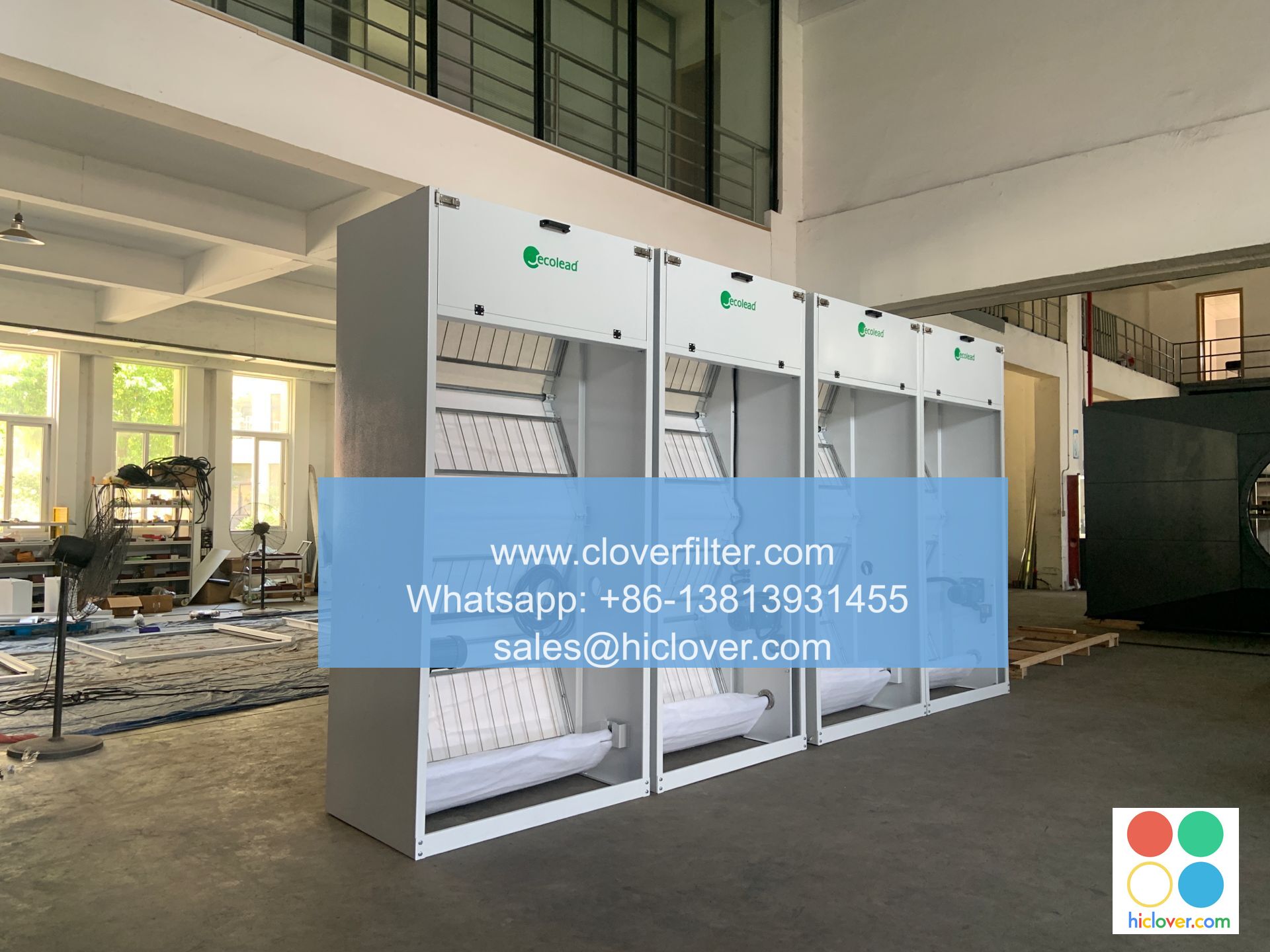
As the maritime industry continues to evolve, innovative solutions like self-cleaning filters are gaining traction. These technologies play a crucial role in maintaining the efficiency and operational reliability of various maritime equipment, from ships to offshore platforms. This article delves into the significance of self-cleaning filters, their operational mechanics, and their diverse application areas within the maritime sector.
The Need for Self-Cleaning Filters in Maritime Operations

Maritime operations are often challenged by harsh environments and demanding operational conditions. Maintaining optimal performance signifies addressing issues such as:
- Clogging caused by debris and sediments in water.
- Poor filtration efficiency leading to equipment damage.
- Increased maintenance costs due to manual cleaning processes.
- Environmental regulations necessitating cleaner operations.
How Self-Cleaning Filters Work
Self-cleaning filters utilize a combination of advanced filtration techniques and automated cleaning mechanisms. The key components of these systems typically include:
- Filtration Media: High-efficiency media like mesh screens or membranes that capture unwanted particles.
- Automatic Cleaning Mechanism: A system that activates at set intervals or when pressure sensors indicate clogging, using water jets or pneumatic devices to remove trapped debris.
- Control Systems: Smart technologies that monitor filter performance, adjusting cleaning cycles based on operational conditions.
Application Areas of Self-Cleaning Filters in Maritime Equipment
Self-cleaning filters find extensive applications across various areas of maritime equipment, which include:
1. Ballast Water Treatment Systems
These systems are essential for managing ballast water to prevent the spread of invasive species. Self-cleaning filters are critical for maintaining clean, compliant water quality, ensuring they can operate effectively without constant manual intervention.
2. Cooling Systems
Marine engines and machinery generate considerable heat, requiring efficient cooling systems. Self-cleaning filters help ensure that the cooling water remains free of debris and particles, optimizing performance and reducing the risk of overheating.
3. Hydraulic Systems
In hydraulic applications on vessels, maintaining clean hydraulic fluids is vital for efficient operation. Self-cleaning filters ensure that the fluid remains uncontaminated, prolonging the life of hydraulic components and reducing maintenance costs.
4. Wastewater Treatment Systems
Innovative self-cleaning filters are essential in treating wastewater aboard ships. They help in filtering out solids and pollutants, ensuring compliance with environmental regulations and promoting sustainability.
5. Fuel Filtration Systems
To maximize fuel efficiency and engine performance, clean fuel is paramount. Self-cleaning filters prevent clogging and guarantee that only purified fuel reaches the engines, thereby enhancing reliability and reducing fuel costs.
Conclusion: The Future of Maritime Efficiency
As the maritime industry increasingly prioritizes sustainability and efficiency, self-cleaning filters represent a vital advance. By reducing maintenance burdens, enhancing equipment reliability, and promoting compliance with environmental regulations, these innovative filters pave the way for smarter, cleaner maritime operations. Embracing technology like self-cleaning filters will be essential for the industry as it navigates future challenges.
Sure! What kind of prompt are you looking for? Are you interested in a writing prompt, a creative idea, or something else entirely? Let me know your preferences!
