Innovative Solutions: The Role of Salt-Resistant Roll Filters in Maritime Applications

The maritime industry faces unique challenges, particularly concerning the corrosive effects of saltwater on equipment and machinery. One innovative solution that has emerged to tackle these challenges is the use of salt-resistant roll filters. These advanced filtration systems not only enhance the longevity and efficiency of maritime operations but also offer significant environmental benefits. In this article, we explore the various application areas of salt-resistant roll filters in maritime settings.
Understanding Salt-Resistant Roll Filters
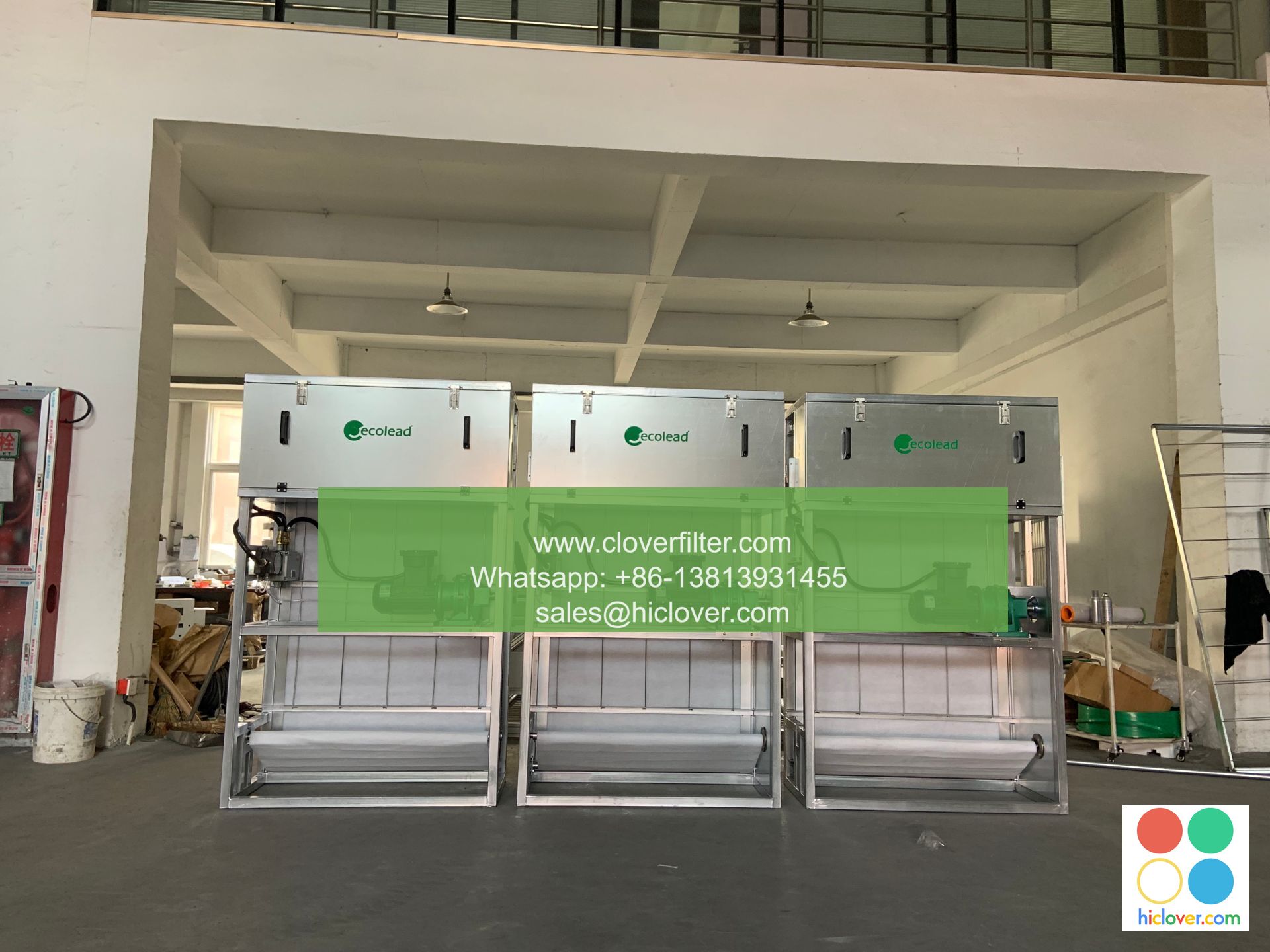
Salt-resistant roll filters are specialized filtration mechanisms designed to withstand the harsh conditions of marine environments. Constructed from durable materials that resist corrosion and degradation, these filters are essential for ensuring that maritime vessels operate smoothly and efficiently. Their innovative design makes them ideal for filtering out salt, as well as other contaminants, from air and water systems.
Applications in Maritime Operations
Salt-resistant roll filters find a wide array of applications in maritime operations, enhancing performance and protecting vital systems. Below are some key areas where these filters are particularly beneficial:
1. Marine Engine Cooling Systems
Cooling systems are vital for the efficient functioning of marine engines. Salt-resistant roll filters play a crucial role in maintaining clean water intake, preventing salt buildup and associated corrosion. This increases the lifespan of engine components and enhances overall performance.
2. Ballast Water Treatment
The management of ballast water is a significant environmental concern. Salt-resistant roll filters can be utilized in ballast water treatment systems to remove sediments and pathogens, ensuring compliance with international regulations and minimizing ecological impact.
3. Desalination Processes
Desalination is critical for vessels operating in areas with limited freshwater resources. These filters facilitate the removal of salt and impurities, improving the efficiency of desalination processes and delivering potable water for crew and passengers.
4. HVAC Systems on Ships
Heating, ventilation, and air conditioning (HVAC) systems on ships can suffer from salt accumulation and subsequent degradation. Salt-resistant roll filters prevent corrosion and ensure a clean air supply, promoting a comfortable and healthy environment onboard.
Benefits of Using Salt-Resistant Roll Filters
The implementation of salt-resistant roll filters brings numerous advantages to maritime operations, including:
- Increased Durability: The robust construction of these filters ensures they can withstand the corrosive effects of saltwater.
- Reduced Maintenance Costs: By minimizing corrosion, these filters help decrease the frequency and costs associated with maintenance and repairs.
- Enhanced Operational Efficiency: With clean systems, vessels can operate more efficiently, leading to improved fuel economy and reduced emissions.
- Environmental Compliance: These filters support environmentally friendly practices, aiding compliance with regulations like the IMO Ballast Water Management Convention.
The Future of Maritime Filtration Solutions
As the maritime industry continues to evolve, the demand for innovative filtration solutions like salt-resistant roll filters is expected to grow. Research and development in materials and filter technology will pave the way for even more advanced systems, further improving durability, efficiency, and environmental performance.
Conclusion
Salt-resistant roll filters represent a significant advancement in maritime technology, addressing the unique challenges posed by the corrosive marine environment. By enhancing the performance and longevity of various systems, these filters contribute to safer, more efficient, and environmentally responsible maritime operations. As the industry embraces these innovative solutions, we can expect to see a positive impact on both operational efficacy and environmental sustainability.
It seems like your message got cut off. Could you please provide more details or clarify what you would like assistance with?
