* Installation methods and techniques
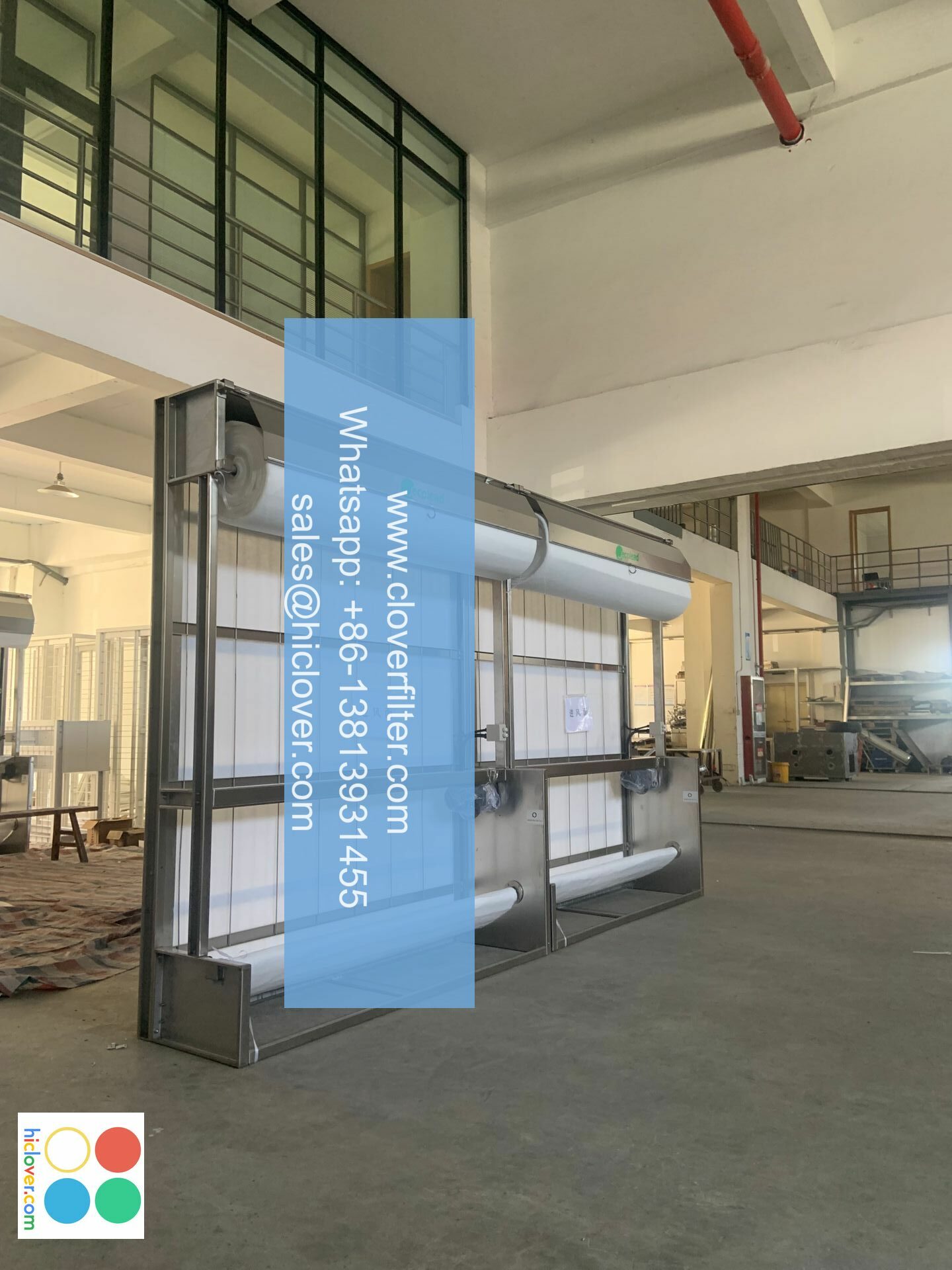
Installation methods and techniques play a crucial role in ensuring the successful deployment of various systems, equipment, and infrastructure. In this article, we will delve into the different installation methods and techniques used across various industries, highlighting their application areas, benefits, and challenges.
Introduction to Installation Methods
Installation methods refer to the processes and procedures used to install, configure, and test systems, equipment, and infrastructure. These methods can be broadly categorized into several types, including traditional installation methods, modular installation methods, and virtual installation methods. Traditional installation methods involve on-site installation of equipment and systems, while modular installation methods involve pre-fabricated modules that are assembled on-site. Virtual installation methods, on the other hand, involve remote installation and configuration of systems and equipment.
Installation Techniques
Installation techniques are the specific procedures and tools used to install systems, equipment, and infrastructure. Some common installation techniques include pipe fitting techniques, electrical installation techniques, and mechanical installation techniques. Pipe fitting techniques involve the installation of pipes, fittings, and valves, while electrical installation techniques involve the installation of electrical wiring, circuits, and devices. Mechanical installation techniques, on the other hand, involve the installation of mechanical systems, such as HVAC, plumbing, and piping.
Application Areas
Installation methods and techniques have a wide range of applications across various industries, including:
* Construction industry: Installation of building systems, such as electrical, plumbing, and HVAC.
* Manufacturing industry: Installation of production equipment, such as machinery and automation systems.
* IT industry: Installation of computer systems, networks, and software applications.
* Energy industry: Installation of renewable energy systems, such as solar and wind power systems.
* Transportation industry: Installation of transportation infrastructure, such as roads, bridges, and airports.

Benefits and Challenges
The use of effective installation methods and techniques can bring numerous benefits, including:
* Increased efficiency: Reduced installation time and costs.
* Improved quality: Enhanced system performance and reliability.
* Enhanced safety: Reduced risk of accidents and injuries.
However, installation methods and techniques also pose several challenges, including:
* Complexity: Difficulty in installing complex systems and equipment.
* Cost: High installation costs and expenses.
* Time constraints: Tight deadlines and schedules.
Best Practices and Future Directions
To ensure successful installation, it is essential to follow best practices, such as:
* Proper planning and design: Careful planning and design of installation projects.
* Use of specialized tools and equipment: Utilization of specialized tools and equipment to ensure efficient and safe installation.
* Training and certification: Provision of training and certification programs for installation personnel.
In conclusion, installation methods and techniques play a vital role in ensuring the successful deployment of various systems, equipment, and infrastructure. By understanding the different installation methods and techniques, their application areas, benefits, and challenges, we can ensure efficient, safe, and cost-effective installation of complex systems and equipment. As technology continues to evolve, it is essential to stay up-to-date with the latest installation methods and techniques, and to adopt best practices to ensure successful installation. It seems like you forgot to include the prompt. Please go ahead and provide one, and I’ll be happy to help!
