Integrating Automatic Roll Intake Systems in Nairobi’s Smart Grid

Introduction
As Nairobi strives toward becoming a smart city, the integration of advanced technologies in its power distribution networks is crucial. One of the most significant developments in this domain is the implementation of Automatic Roll Intake Systems (ARIS) within the framework of Nairobi’s smart grid. This integration not only enhances the efficiency of energy distribution but also contributes to sustainable urban development.

What are Automatic Roll Intake Systems?
Definition and Functionality
Automatic Roll Intake Systems (ARIS) are sophisticated devices designed for seamless energy management and distribution. They automate the process of energy resource allocation through real-time monitoring and control, ensuring optimal load balancing and reduced operational costs. ARIS integrates advanced sensors and analytics, enabling quick responses to fluctuations in energy demand.
Key Features of ARIS
- Real-Time Data Monitoring: Collects and analyzes data on energy usage, enabling informed decisions.
- Load Forecasting: Predicts future energy needs utilizing machine learning algorithms.
- Remote Management: Allows operators to manage energy flows from a centralized control room.
- Smart Grids and the Future of Electricity
- Renewable Energy in Africa
- Understanding Automatic Roll Intake Systems
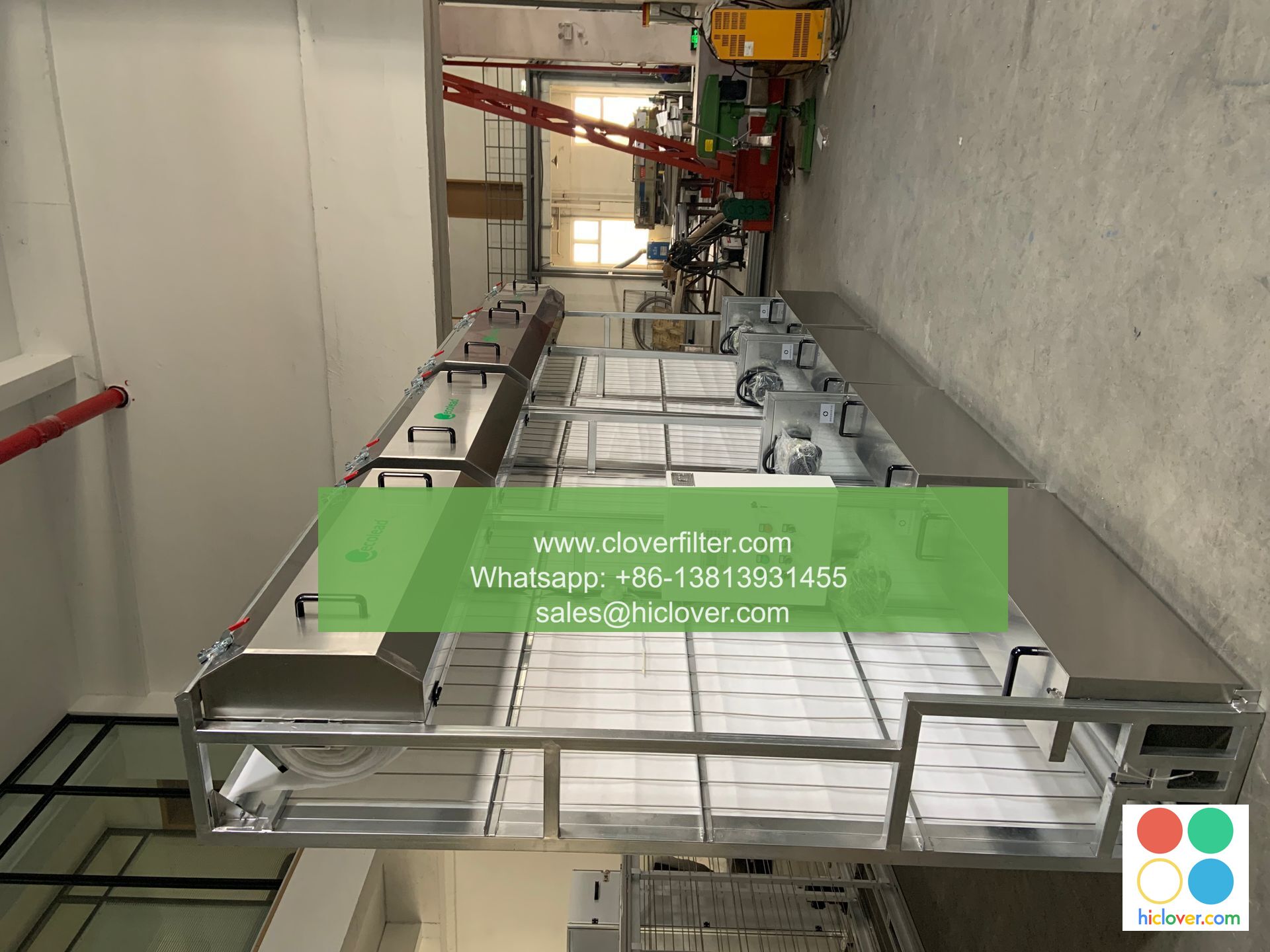
Benefits of Integrating ARIS in Nairobi’s Smart Grid
1. Enhanced Energy Efficiency
By incorporating ARIS, Nairobi can significantly optimize its energy consumption and distribution. The system’s ability to manage load in real-time ensures that energy is utilized efficiently, thereby reducing waste and lowering costs.
2. Improved Reliability and Stability
Automatic Roll Intake Systems ensure that the power supply remains stable, even when demand surges. This is particularly important in Nairobi, where power interruptions have historically been a challenge. ARIS can predict issues before they arise and trigger automatic responses to maintain grid stability.
3. Contribution to Sustainability
Nairobi, like many urban areas, faces pressing environmental concerns. ARIS aids in reducing carbon footprints by promoting the use of renewable energy sources. By integrating solar or wind energy into the grid, these systems can help lower reliance on fossil fuels, contributing to a greener future.
Applications of ARIS in Nairobi
Commercial Sector
In commercial areas, ARIS can manage energy usage effectively, especially during peak hours when demand spikes. By optimizing load distribution, businesses can minimize energy costs and enhance their overall operational efficiency.
Residential Sector
In residential neighborhoods, ARIS can facilitate smart metering, empowering consumers with data about their energy usage patterns. This transparency encourages residents to adopt energy-saving practices, thereby contributing to overall grid efficiency.
Public Infrastructure
Nairobi’s public transportation systems, such as its electric rail and bus networks, can greatly benefit from ARIS integration. By managing energy resources dynamically, these systems can operate more efficiently, reducing costs and improving service reliability.
Challenges and Considerations
Infrastructure Development
To successfully implement ARIS, Nairobi must invest in its utility infrastructure. This includes upgrading existing power lines and substations to accommodate the new technology. Collaboration with various stakeholders, including the government, utility companies, and tech providers, is critical to overcoming these barriers.
Regulatory Framework
The deployment of ARIS will require a supportive regulatory environment that encourages innovation while ensuring consumer protection. Establishing clear policies around data privacy and energy pricing is essential for fostering public trust and investment.
Conclusion
The integration of Automatic Roll Intake Systems within Nairobi’s smart grid represents a significant step forward in the city’s quest for a sustainable and efficient energy future. Leveraging advanced technology can enhance energy efficiency, improve reliability, and contribute to sustainability initiatives. By addressing the challenges of infrastructure and regulation, Nairobi can set a benchmark for smart city advancements across Africa. The move towards a smarter, more efficient energy landscape not only benefits current residents but paves the way for future generations to thrive in a cleaner, smarter urban environment.
References
By deploying cutting-edge technologies like ARIS, Nairobi can lead the way in urban energy management and pave the path toward a truly smart city.
Of course! What kind of prompt are you looking for? It could be for writing, artistic inspiration, a discussion topic, or something else entirely. Let me know your preferences!
