Introduction to Automatic Roll Air Filters in University Clean Air Labs
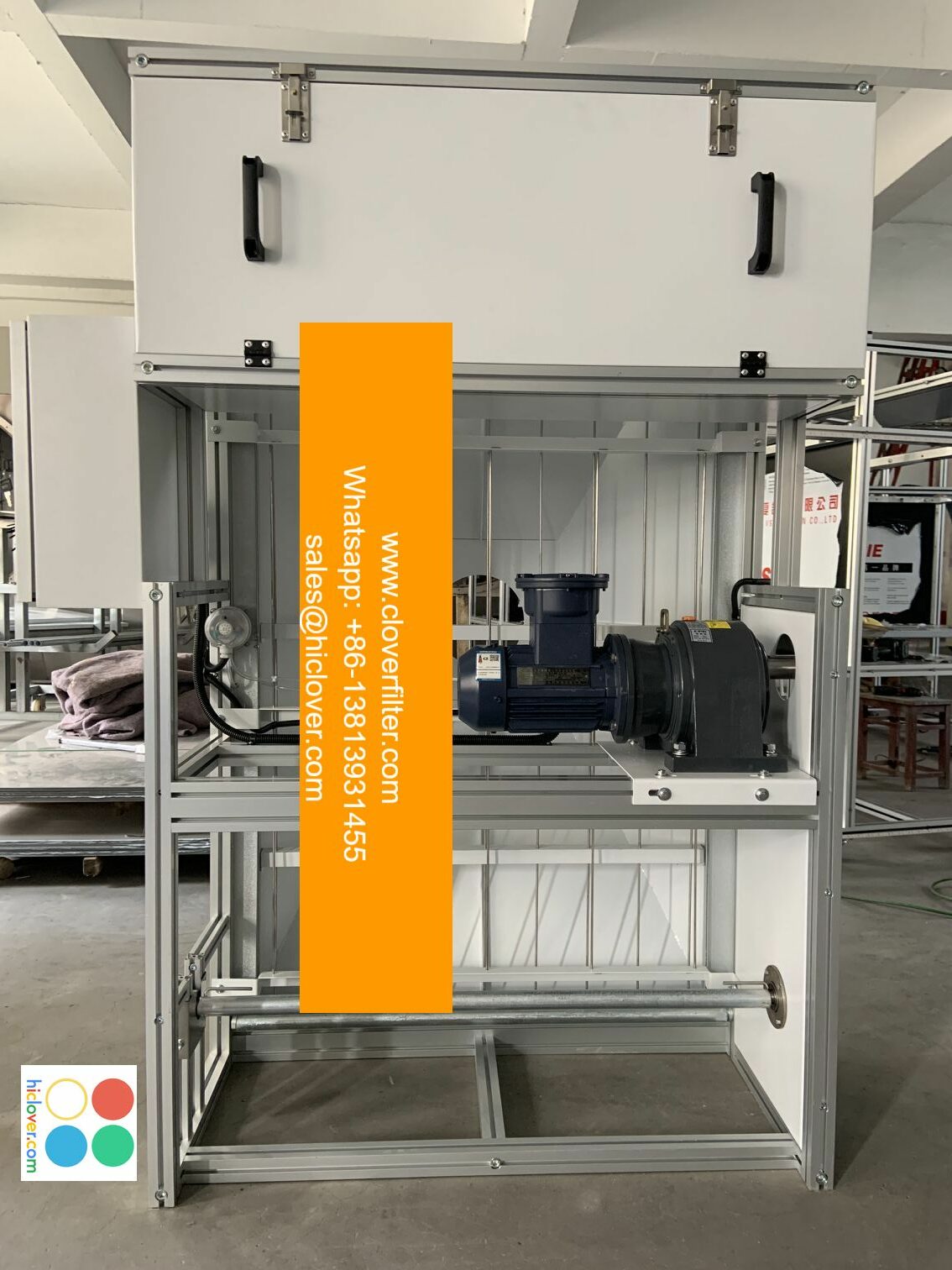
The importance of clean air in laboratories cannot be overstated. With the increasing need for precision and accuracy in scientific research, maintaining a contamination-free environment is crucial. One innovative solution that has gained popularity in recent years is the use of Automatic Roll Air Filters (ARAFs) in university clean air labs. In this article, we will delve into the world of ARAFs, exploring their applications, benefits, and key features that make them an essential component in modern laboratory settings.
##
What are Automatic Roll Air Filters?
Automatic Roll Air Filters are advanced air filtration systems designed to provide high-efficiency particulate removal and gas-phase filtration in laboratory environments. These systems utilize a unique roll-to-roll design, where a continuous sheet of filter media is unwound from a roll and passed through the air stream, capturing contaminants and pollutants. This process allows for consistent and reliable air quality control, making it an ideal solution for cleanroom and laboratory settings.
##
Key Features and Benefits
ARAFs offer several key features that set them apart from traditional air filtration systems. Some of the most significant advantages include:
* High-efficiency filtration: ARAFs can capture particles as small as 0.3 microns, ensuring that the air in the laboratory is virtually free of contaminants.
* Low maintenance: The automatic roll-to-roll design minimizes the need for manual filter replacement, reducing labor costs and downtime.
* Energy efficiency: ARAFs are designed to operate at low airflow rates, reducing energy consumption and operating costs.
* Flexibility: These systems can be easily integrated into existing HVAC systems or used as standalone units, making them a versatile solution for various laboratory applications.
##
Applications in University Clean Air Labs
Automatic Roll Air Filters have a wide range of applications in university clean air labs, including:
* Biological research: ARAFs provide a sterile environment for researchers working with sensitive biological samples, reducing the risk of contamination and ensuring accurate results.
* Chemical synthesis: These systems are effective in capturing chemical vapors and particulate matter, creating a safe working environment for researchers handling hazardous materials.
* Pharmaceutical development: ARAFs play a critical role in maintaining cleanroom conditions during pharmaceutical manufacturing and testing, ensuring compliance with regulatory standards.
* Nanotechnology research: The high-efficiency filtration capabilities of ARAFs make them an ideal solution for researchers working with
##

Conclusion
In conclusion, Automatic Roll Air Filters are a vital component in modern university clean air labs, providing a reliable and efficient solution for maintaining clean air and contamination control. With their high-efficiency filtration, low maintenance, and energy efficiency, ARAFs are an attractive option for researchers and laboratory managers seeking to create a safe and productive working environment. As the demand for clean air and precision research continues to grow, the importance of ARAFs in university clean air labs will only continue to increase.
