Investigating the Effects of Air Filters on Mold and Bacteria Growth
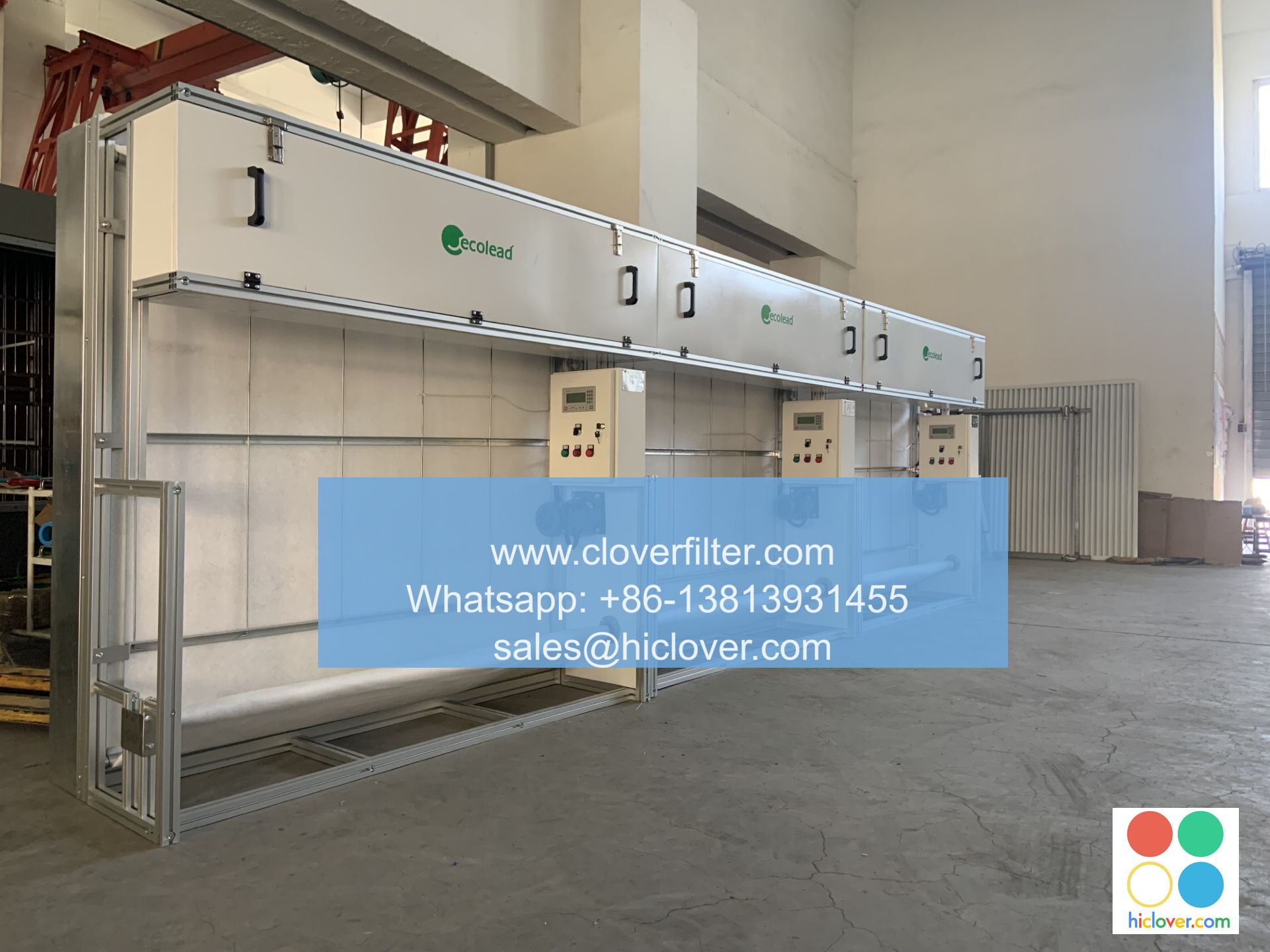
The growth of mold and bacteria in indoor environments is a significant concern due to its impact on human health and indoor air quality. Indoor Air Quality (IAQ) is a critical aspect of maintaining a healthy and comfortable living or working space. One of the key strategies for controlling mold and bacteria growth is the use of Air Filtration Systems. In this article, we will investigate the effects of air filters on mold and bacteria growth, highlighting various Application Areas and the importance of HEPA Filters, Activated Carbon Filters, and UV Light Technology in preventing the spread of airborne pathogens.
Introduction to Mold and Bacteria Growth
Mold and bacteria growth can occur in any indoor environment, particularly in areas with high humidity and poor ventilation. These microorganisms can thrive on various surfaces, including walls, ceilings, and floors, and can release Volatilized Organic Compounds (VOCs) and Bioaerosols into the air. The inhalation of these airborne pollutants can lead to a range of health problems, including respiratory issues, allergic reactions, and infections.
The Role of Air Filters in Controlling Mold and Bacteria Growth
Air filters play a crucial role in controlling mold and bacteria growth by removing airborne pollutants and preventing the spread of microorganisms. Air Purification Systems can be designed to capture a wide range of particle sizes, including mold spores, bacteria, and viruses. The effectiveness of an air filter in controlling mold and bacteria growth depends on several factors, including the type of filter media, the filter’s Minimum Efficiency Reporting Value (MERV) rating, and the system’s Air Exchange Rate.
Types of Air Filters and Their Applications
Several types of air filters are available, each with its own strengths and weaknesses. Some of the most common types of air filters include:
* HEPA Filters: High-Efficiency Particulate Air filters are designed to capture 99.97% of particles as small as 0.3 microns, making them highly effective against mold and bacteria.
* Activated Carbon Filters: These filters are designed to capture gases and odors, including VOCs and Odor-Producing Compounds (OPCs).
* UV Light Technology: Ultraviolet light can be used to kill bacteria and mold on surfaces and in the air.
These air filters have various Application Areas, including:
* Residential Buildings: Air filters can be used in homes to improve indoor air quality and prevent mold and bacteria growth.
* Commercial Buildings: Air filters are essential in commercial buildings, such as offices, schools, and hospitals, where indoor air quality is critical.
* Industrial Settings: Air filters can be used in industrial settings, such as manufacturing facilities and warehouses, to control airborne pollutants and prevent the spread of microorganisms.

Conclusion
In conclusion, air filters play a critical role in controlling mold and bacteria growth in indoor environments. By understanding the effects of air filters on mold and bacteria growth, we can design and implement effective Indoor Air Quality Management Strategies to improve public health and prevent the spread of airborne pathogens. The use of HEPA Filters, Activated Carbon Filters, and UV Light Technology can be highly effective in preventing mold and bacteria growth, and their Application Areas are diverse, ranging from residential buildings to industrial settings. By prioritizing Indoor Air Quality and using the right air filters, we can create healthier and more comfortable living and working spaces. It seems like you forgot to include the prompt. Please go ahead and provide the prompt, and I’ll be happy to help!
