Investigation of Air Filter Performance in High-Humidity Environments
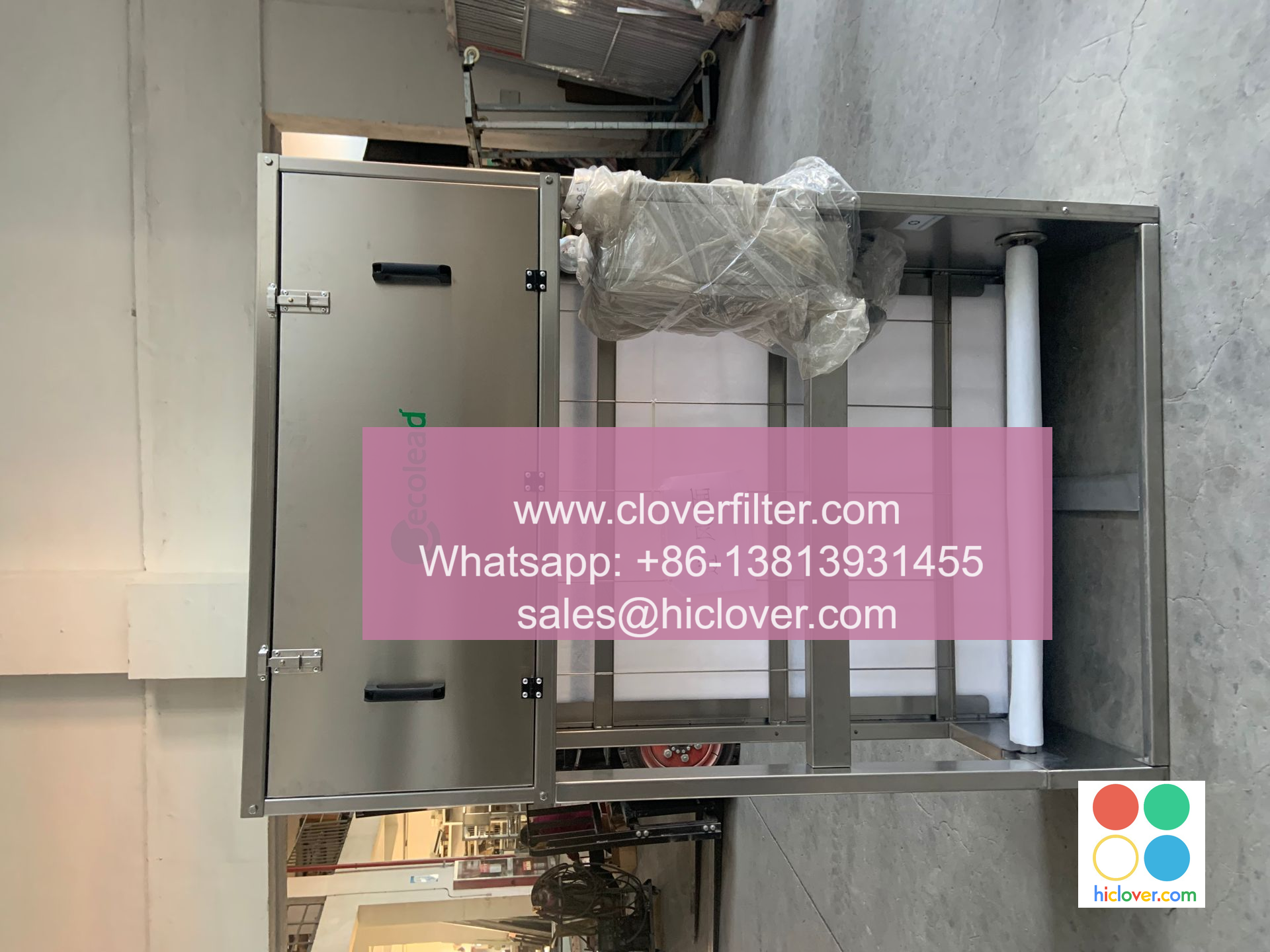
The performance of air filters in high-humidity environments is a critical aspect of indoor air quality (IAQ) and heating, ventilation, and air conditioning (HVAC) systems. High humidity can significantly impact the efficiency and effectiveness of air filters, leading to reduced air purification and potential health risks. In this article, we will delve into the investigation of air filter performance in high-humidity environments, exploring the key factors that affect filter performance, application areas, and future research directions.
Introduction to Air Filters and High-Humidity Environments
Air filters are designed to remove particulate matter (PM), gases, and microorganisms from the air, improving indoor air quality and promoting occupant health. However, high-humidity environments can compromise filter performance, leading to reduced airflow, increased pressure drop, and decreased filter lifespan. High humidity can also facilitate the growth of mold and bacteria on filter surfaces, further exacerbating indoor air pollution.
Key Factors Affecting Air Filter Performance in High-Humidity Environments
Several key factors affect air filter performance in high-humidity environments, including:
* Filter media: The type and properties of filter media, such as fiberglass, polyester, or activated carbon, can significantly impact filter performance in high-humidity environments.
* Humidity level: The level of humidity in the environment can affect filter performance, with higher humidity levels leading to reduced filter efficiency.
* Airflow rate: The airflow rate through the filter can also impact performance, with higher airflow rates leading to increased pressure drop and reduced filter lifespan.
* Temperature: Temperature can also affect filter performance, with higher temperatures leading to increased chemical reactions and microbial growth.
Application Areas
The investigation of air filter performance in high-humidity environments has significant implications for various application areas, including:
* Commercial buildings: High-humidity environments are common in commercial buildings, such as hospitals, schools, and office buildings, where indoor air quality is critical.
* Industrial settings: Industrial settings, such as manufacturing facilities and warehouses, often experience high humidity levels, making air filter performance a critical concern.
* Residential buildings: Residential buildings, particularly those in humid climates, require effective air filtration systems to maintain indoor air quality and promote occupant health.
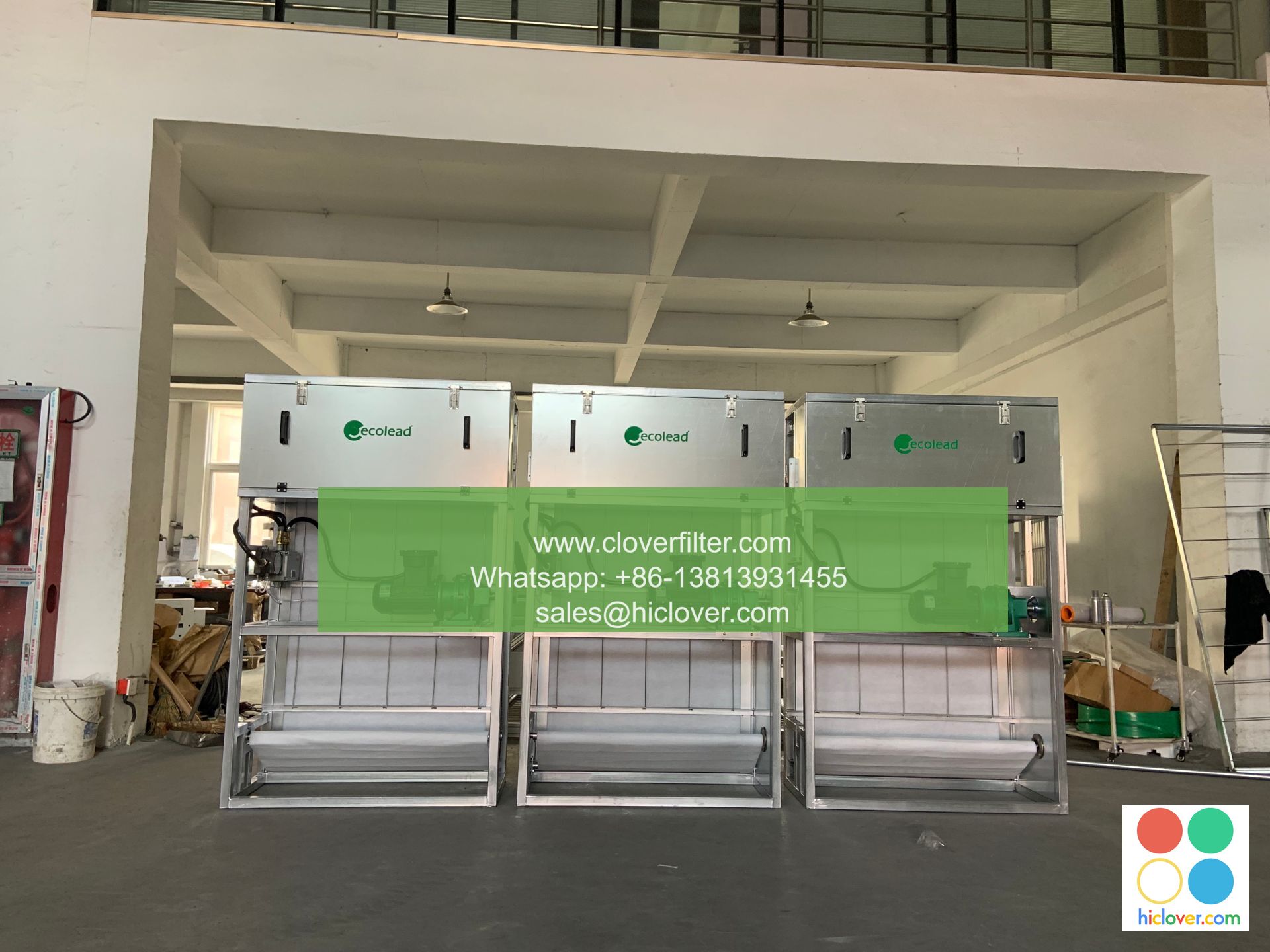
Future Research Directions
Future research directions in the investigation of air filter performance in high-humidity environments should focus on:
* Developing new filter media that can withstand high-humidity environments and maintain filter efficiency.
* Improving filter design to reduce pressure drop and increase airflow rate in high-humidity environments.
* Investigating the impact of temperature on filter performance in high-humidity environments.
* Developing smart filtration systems that can adapt to changing environmental conditions and maintain optimal filter performance.
Conclusion
The investigation of air filter performance in high-humidity environments is a critical aspect of maintaining indoor air quality and promoting occupant health. By understanding the key factors that affect filter performance and exploring application areas, we can develop more effective air filtration systems that can withstand high-humidity environments. Future research directions should focus on developing innovative filter media, improving filter design, and investigating the impact of temperature on filter performance. It seems like you’re ready to start a conversation or ask a question, but you haven’t provided any details yet. What’s on your mind? Would you like to discuss a specific topic, ask for advice, or perhaps explore a particular subject? I’m here to help with any questions or topics you’d like to discuss!
