ISO 16890 Certification: Ensuring Global Air Filter Standards
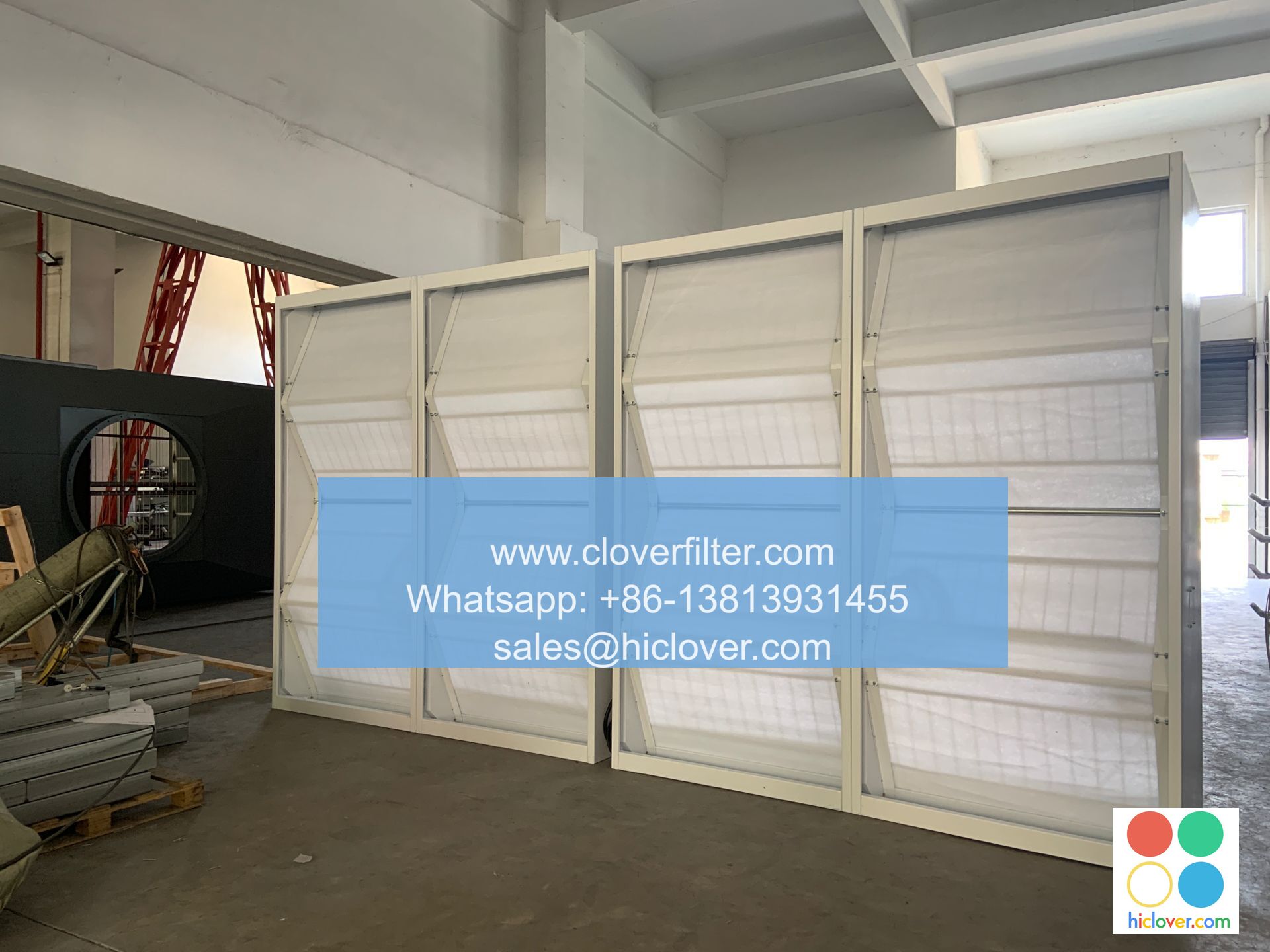
The International Organization for Standardization (ISO) has introduced the ISO 16890 certification to establish a global standard for air filters, ensuring a higher level of indoor air quality (IAQ) and providing a benchmark for the industry. This certification is crucial for manufacturers, suppliers, and end-users of air filters, as it guarantees the effectiveness and efficiency of these products in removing airborne pollutants and contaminants.
Overview of ISO 16890 Certification
The ISO 16890 standard replaces the existing EN 779 standard and provides a more comprehensive and detailed framework for testing and evaluating air filters. The certification process involves a series of tests that assess the filter’s ability to capture particulate matter (PM), including particulate matter 1 (PM1), particulate matter 2.5 (PM2.5), and particulate matter 10 (PM10). The results of these tests determine the filter’s efficiency and assign it a filter class, ranging from ISO 16890 ePM1 to ISO 16890 ePM10.
Key Benefits of ISO 16890 Certification
The ISO 16890 certification offers several benefits, including:
* Improved indoor air quality (IAQ): By ensuring that air filters meet a higher standard of efficiency, the certification contributes to a reduction in airborne pollutants and contaminants, creating a healthier environment for occupants.
* Enhanced energy efficiency: Air filters that meet the ISO 16890 standard are designed to optimize airflow and minimize pressure drop, resulting in lower energy consumption and reduced operating costs.
* Global consistency: The certification provides a universal framework for air filter testing and evaluation, facilitating trade and commerce across international borders.
Application Areas for ISO 16890 Certified Air Filters
The ISO 16890 certification is relevant to various industries and application areas, including:
* Commercial HVAC systems: Air filters used in heating, ventilation, and air conditioning (HVAC) systems must meet the ISO 16890 standard to ensure optimal performance and energy efficiency.
* Industrial air purification: Air filters used in industrial settings, such as manufacturing facilities and laboratories, require ISO 16890 certification to maintain a safe and healthy working environment.
* Residential air cleaning: Homeowners and builders can benefit from ISO 16890 certified air filters, which provide effective removal of airborne pollutants and allergens, improving indoor air quality and occupant health.
* Aerospace and transportation: Air filters used in aircraft, vehicles, and other transportation systems must meet the ISO 16890 standard to ensure the safety and comfort of passengers.
Conclusion
In conclusion, the ISO 16890 certification is a vital step towards ensuring global air filter standards, promoting indoor air quality (IAQ), and reducing the risks associated with airborne pollutants. By adopting this certification, manufacturers and suppliers can demonstrate their commitment to producing high-quality air filters that meet the demands of various industries and application areas. As the world becomes increasingly aware of the importance of air quality and filtration, the ISO 16890 standard will play a crucial role in shaping the future of the air filter industry. It looks like you forgot to include the prompt!
Please go ahead and provide the prompt or topic you’d like to discuss, and I’ll do my best to help. I can assist with a wide range of subjects, from answering questions to generating creative content. What’s on your mind?
