Jargon Buster: Decoding Difficult Air Filter Terms
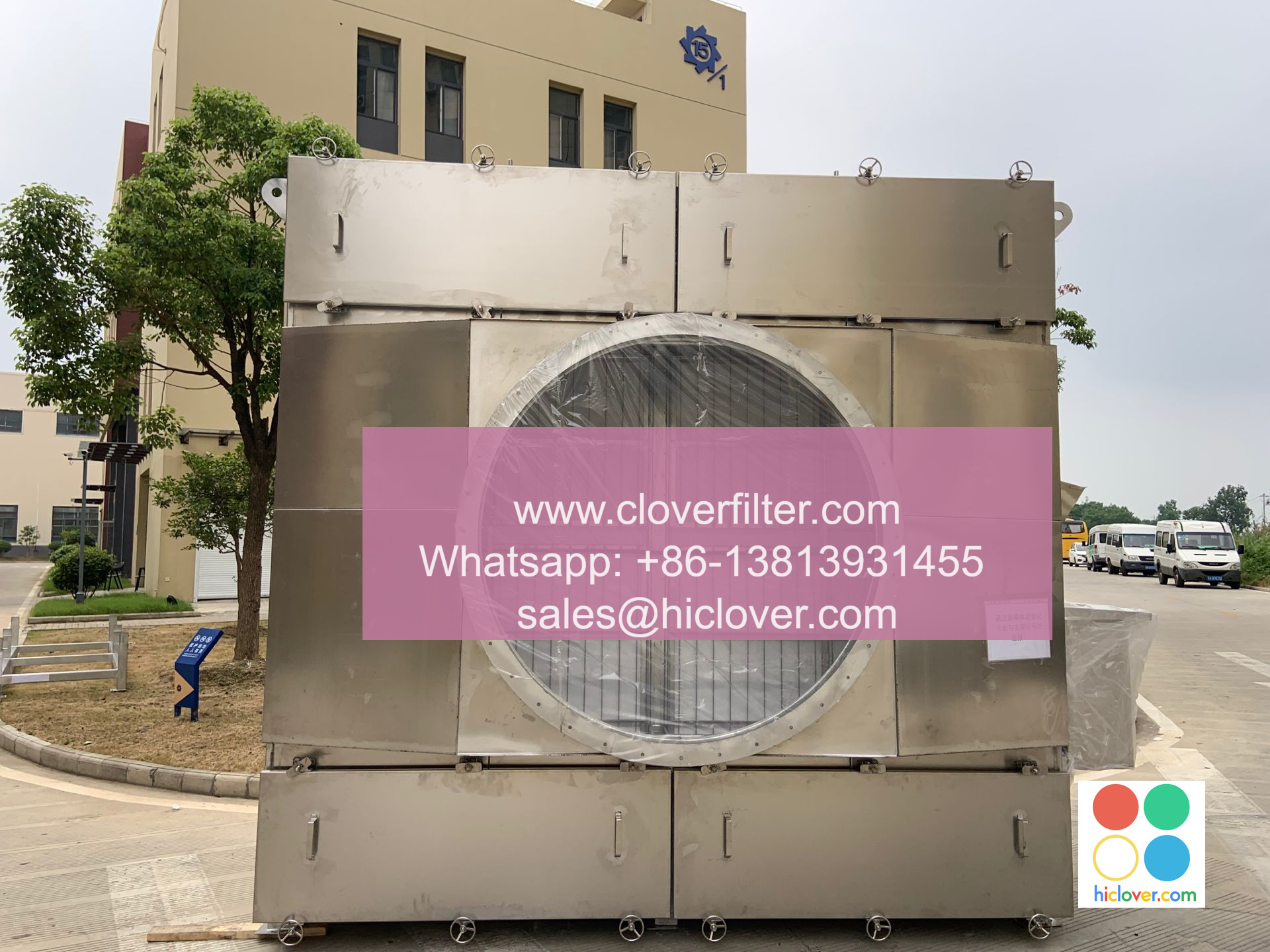
Air filters are a crucial component in maintaining indoor air quality, and with the numerous types and technologies available, it can be overwhelming to navigate the terminology used in the industry. In this article, we will delve into the world of air filtration, demystifying complex terms and highlighting various application areas where these terms are commonly used.
##
Understanding Air Filter Types
When it comes to air filters, there are several types to choose from, each with its own set of unique characteristics and benefits. Some of the most common types include:
* HEPA (High Efficiency Particulate Air) filters, which are designed to capture 99.97% of particles as small as 0.3 microns, making them ideal for commercial HVAC systems and industrial air purification applications.
* Activated Carbon filters, which are effective in removing volatile organic compounds (VOCs) and odors from the air, making them suitable for residential air purification systems and commercial kitchen ventilation systems.
* UV (Ultraviolet) filters, which use ultraviolet light to kill bacteria and viruses, making them ideal for healthcare facilities and food processing industries.
##
Decoding Air Filter Technologies
In addition to the different types of air filters, there are also various technologies used to enhance their performance. Some of these technologies include:
* Nanofiber technology, which uses nanoscale fibers to capture ultrafine particles and improve filter efficiency, making it suitable for aerospace and biotechnology applications.
* Electrostatic technology, which uses electrostatic charges to attract and capture particles, making it ideal for industrial dust collection systems and commercial air cleaning systems.
* Ionization technology, which uses ions to remove pollutants and odors from the air, making it suitable for residential air purifiers and commercial odor control systems.
##
Application Areas for Air Filters
Air filters have a wide range of applications across various industries, including:
* Residential air purification systems, where they are used to remove allergens, pollutants, and odors from the air to improve indoor air quality.
* Commercial HVAC systems, where they are used to maintain indoor air quality and reduce energy consumption.
* Industrial air purification systems, where they are used to remove hazardous particles and gases from the air to ensure a safe working environment.
* Healthcare facilities, where they are used to remove bacteria, viruses, and other microorganisms from the air to prevent the spread of infections.
##

Conclusion
In conclusion, understanding the terminology used in the air filtration industry is crucial in making informed decisions when it comes to choosing the right air filter for your specific needs. By demystifying complex terms and highlighting various application areas, we hope to have provided a comprehensive guide to help you navigate the world of air filtration. Whether you are looking to improve indoor air quality in your home or maintain a safe working environment in an industrial setting, there is an air filter solution available to meet your needs. It looks like you didn’t include a prompt. Could you please provide more details or ask a question, and I’ll do my best to assist you?
