Key Organizations Setting Air Filter Standards Worldwide
Key Takeaways
- Understanding air filter standards ensures optimal filtration and compliance in industrial settings.
- Key organizations establish criteria guiding air filtration practices globally.
- Automatic Roll Air Filters offer advanced features for maintenance reduction and energy savings.
- Proper selection of air filters enhances air quality and operational efficiency.
- Compliance with recognized standards like ISO 16890 and MERV concepts is crucial for procurement managers.
- Roll Media Advance Logic: The filter automatically advances to expose fresh media upon detecting a pressure increase.
- Differential Pressure Trigger: This system monitors air pressure levels and engages the media replacement when resistance reaches a specified threshold.
- Timer Mode: Users can set operational parameters to replace filter media based on a timing schedule or air quality data, optimizing upkeep.
- Airflow Range: Understand the required airflow for the facility (in cubic feet per minute).
- Face Velocity: Ensure the filter supports the desired velocity without causing excessive pressure drop.
- Media Width/Length: Match these dimensions with your existing frames and systems.
- Frame Size: Select appropriate frames compatible with your HVAC setup.
- Control Options: Investigate different control mechanisms, whether manual or automated.
- Power Supply: Acknowledge whether filters require independent power sources or integrate into existing systems.
- Installation Location: Identify whether the filter will be placed in a fresh air intake location or returned directly to the system.
- Ignoring Compatibility: Ensure filters match the existing system specifications.
- Overlooking Maintenance Needs: Regular upkeep is essential; familiarize yourself with specific filter requirements.
- Underestimating Air Quality Needs: Conduct proper assessments of air quality to select suitable filters.
- Neglecting Energy Implications: Consider the energy efficiency of filters to avoid high operational costs.
- Failing to Monitor Pressure Drop: Regularly check pressure levels to ensure optimal performance.
- Choosing the Cheapest Option: Often, lower-cost filters lead to higher long-term expenses; evaluate total cost of ownership.
- Inadequate Training: Ensure staff understands the operation and maintenance of filters.

Introduction to Air Filter Standards
Air filter standards play a critical role in determining the performance and efficiency of filtration systems across various industries. These standards set guidelines for energy consumption, effectiveness in particulate control, and overall air quality management. Different organizations globally establish these standards, ensuring that HVAC engineers, facility managers, and procurement managers have a framework to select the right air filtration products for their specific environments.
Key Organizations Formulating Air Filter Standards
1. American Society of Heating, Refrigerating and Air-Conditioning Engineers (ASHRAE)
ASHRAE is renowned for presenting standards that govern indoor air quality and energy efficiency, including guidelines for air filter selection and use.
2. International Organization for Standardization (ISO)
ISO sets various standards, including ISO 16890, focusing on particulate air filters for general ventilation. This international framework helps ensure that air filters perform adequately across different environments.
3. Underwriters Laboratories (UL)
UL provides safety-related certification, including the evaluation of air filters pertaining to their efficiency and safety standards.
4. The European Committee for Standardization (CEN)
This organization outlines standards relevant to the European market, contributing significantly to air filtration practices in Europe, including EN 779.
What is an Automatic Roll Air Filter?
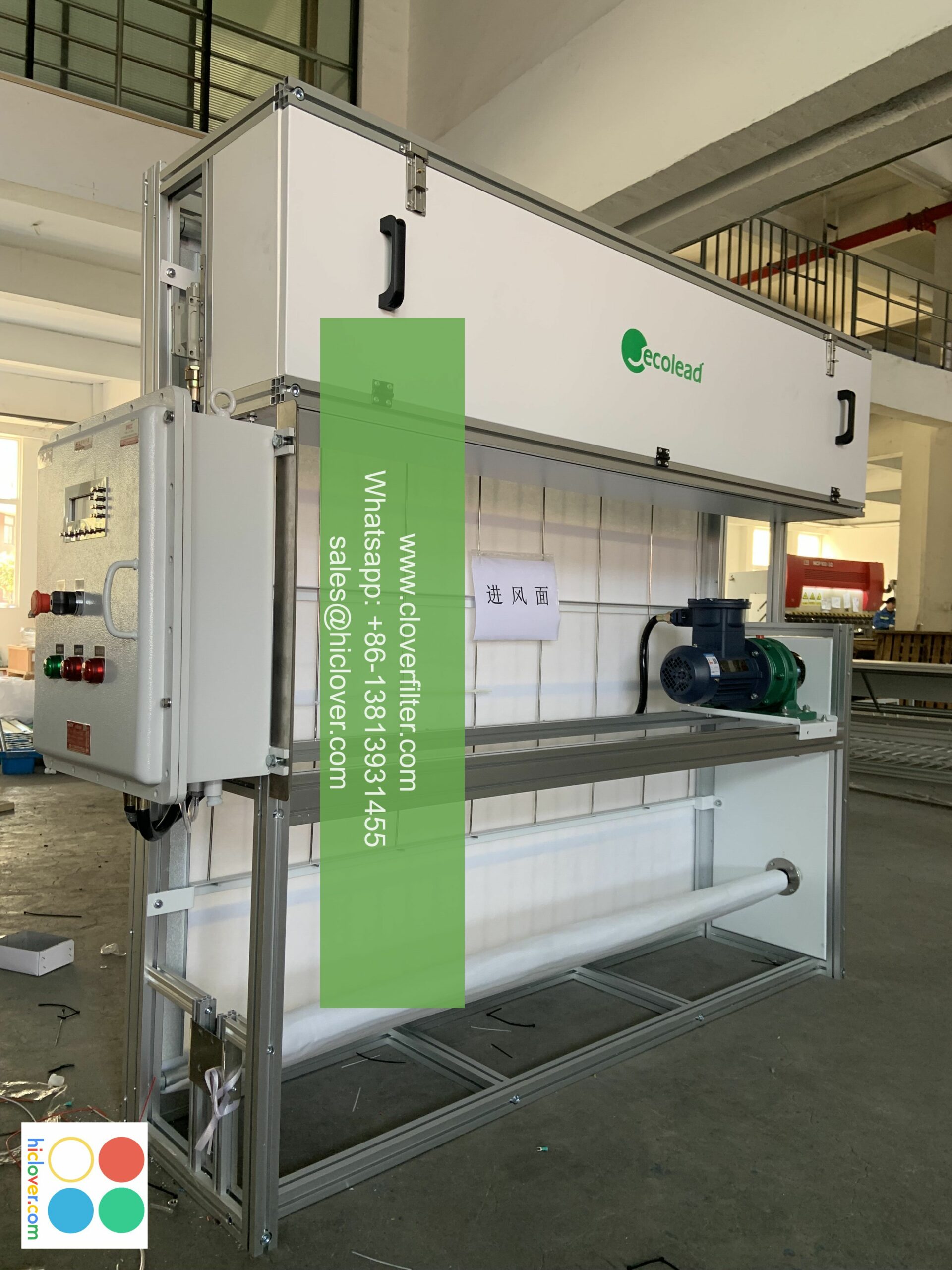
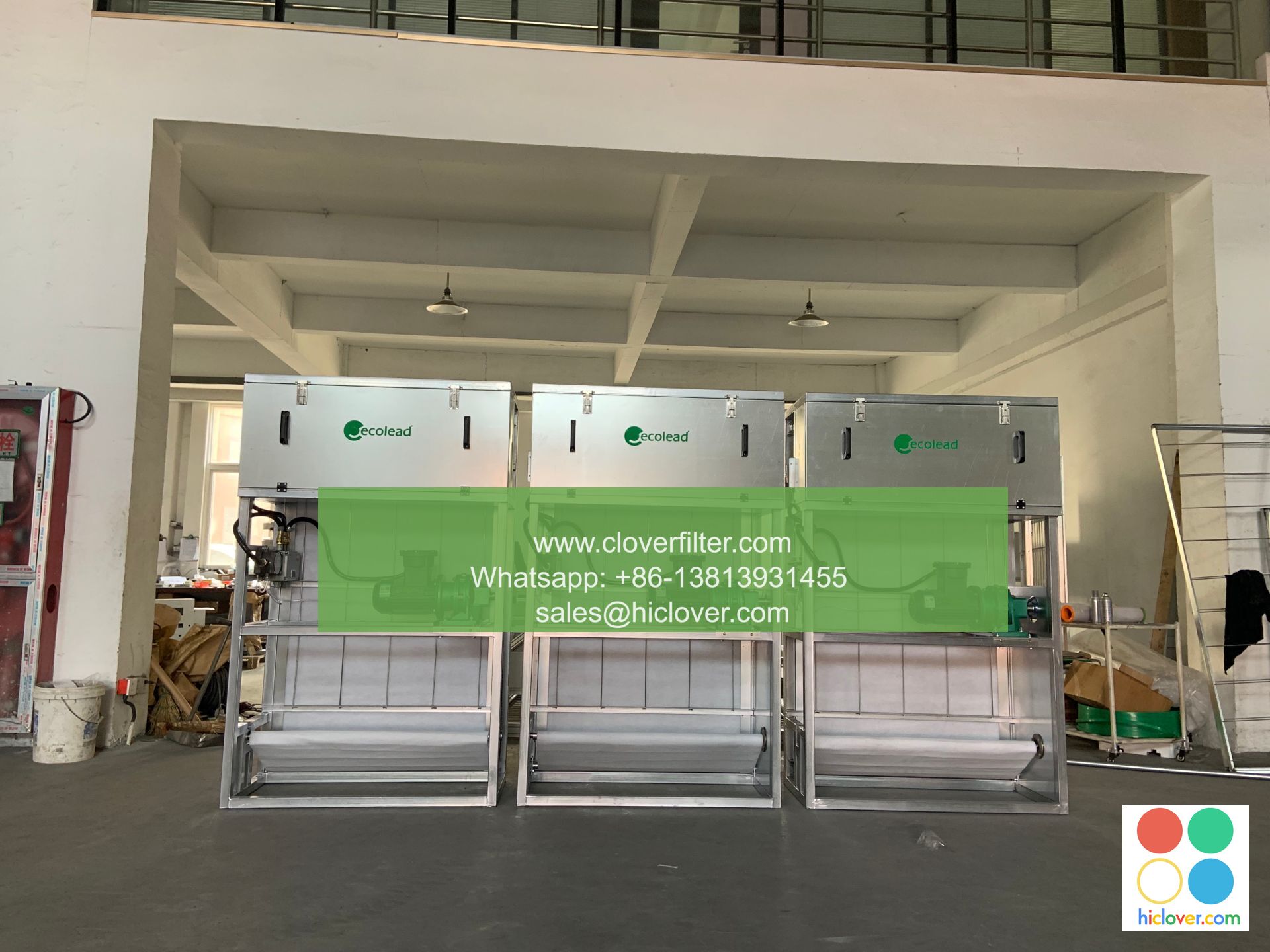
An Automatic Roll Air Filter is a sophisticated filtration system utilizing roll media that continuously advances through a predetermined mechanism. This type of filter is designed to maintain optimal airflow while minimizing differential pressure. The operational logic typically includes triggers based on pressure differential, initiating a roll replacement at set intervals or conditions. Such features extend the life of the filter while supporting consistent airflow—essential for environments like cleanrooms, data centers, and manufacturing facilities.
How It Works
The functioning of the Automatic Roll Air Filter encompasses:
Where It Fits in HVAC/AHU Systems
Automatic Roll Air Filters can be integrated within HVAC and air handling unit (AHU) systems to ensure effective filtration of air entering clean zones. These filters can be positioned at the fresh air intake or return air locations, providing essential pre-filtration for make-up air processes.
Practical Selection Guide for Air Filters
When selecting an air filter, particular considerations come into play:
Comparison of Filter Types
| Filter Type | Best Use Case | Maintenance | Pressure Drop Behavior | Operating Cost | Typical Risk/Downside |
|---|---|---|---|---|---|
| Automatic Roll Air Filter | High-efficiency systems needing low maintenance | Minimal | Gradual increase | Moderate | Slightly higher initial cost |
| Bag Filter | General HVAC applications | Moderate | Moderate to high | Low | Requires more maintenance |
| Panel Filter | Common commercial applications | Moderate | Quick rise | Low | Shorter lifespan |
| V-bank | Applications requiring high efficiency | Medium | Low to moderate | Moderate | Limited compatibility |
Common Mistakes & How to Avoid Them
Real-World Scenarios
1. Data Center
In a data center, maintaining consistent air quality is crucial for equipment reliability. Utilizing an Automatic Roll Air Filter yielded a 30% reduction in maintenance costs due to its self-cleaning mechanism and lower pressure drop.
2. Lithium Battery Factory
A lithium battery production facility integrated these filters to safeguard manufacturing operations. The use of advanced filtration improved product quality, reducing contamination risks without impacting airflow.
3. Paint Shop
In a paint booth environment, air quality is essential for ensuring safety and product performance. Automatic Roll Air Filters were deployed, enhancing particulate capture and streamlining maintenance routines.
4. Textile Steel/Cement Plant
In this plant, an Automatic Roll Air Filter was installed as an AHU prefilter. Its energy-saving features helped decrease operational costs while ensuring compliance with industry air quality standards.
Compliance and Industry Standards
While the terms ISO 16890, EN 779 legacy, and MERV are core to understanding air filter performance, it is essential to approach compliance cautiously. Filters should be evaluated against these frameworks without asserting specific certifications unless confirmed “available on request.” This diligence ensures transparency in procurement processes.
Meta Description: Learn about key organizations influencing air filter standards worldwide and how CloverFilter’s Automatic Roll Air Filters enhance HVAC efficiency.
For advanced air filtration solutions, consider CloverFilter to meet your industrial needs. Reach out at CloverFilter.
Of course! What would you like a prompt for? It could be for creative writing, a discussion topic, or something else entirely. Let me know how I can help!
