Lifecycle Analysis of Air Filters: From Production to Disposal

Key Takeaways
- Understanding the lifecycle of air filters helps to minimize air filter environmental impact.
- Automatic Roll Air Filters can improve efficiency and reduce maintenance costs.
- Proper selection of air filters ensures compliance with industry standards.
- Real-world applications show the versatility of air filtration solutions.
- Awareness of common mistakes can enhance procurement and operational decisions.
- Airflow Range: Determine the required airflow capacity to match system specifications (CFM).
- Face Velocity: Understand the recommended face velocity for optimum filtration efficiency.
- Media Width/Length: Choose appropriate dimensions based on installation space and airflow patterns.
- Frame Size: Ensure that the frame fits your HVAC system specifications.
- Control Options: Explore electronic or manual advancement controls based on operational needs.
- Power Supply: Identify power requirements for roll media advancement (e.g., AC/DC).
- Installation Location: Decide whether the filter will be installed at fresh air intake, return air, or process air pathways.
- Underestimating Airflow Requirements: Ensure airflow matches system specifications to avoid equipment strain.
- Neglecting Maintenance Schedules: Regular filter changes prevent operational inefficiencies.
- Choosing Filters Without Considering Applications: Select filters tailored to specific environments (e.g., cleanrooms vs. industrial settings).
- Ignoring Pressure Drop Effects: Monitor system resistance to optimize air intake and operational efficiency.
- Not Evaluating Environmental Impact: Consider lifecycle assessments to minimize ecological footprints.
- Overlooking Standard Compliance: Familiarize with ISO 16890 and MERV to ensure appropriate filtration levels.
- Failing to Engage Stakeholders: Involve facility managers in the selection process to address unique needs.
- Not Training Staff: Provide adequate training for maintenance personnel on filter change procedures.
- Misjudging the Type of Filter to Use: Evaluate the pros and cons of each filter type based on application.
- Delaying Disposal of Used Filters: Timely disposal can mitigate potential environmental hazards.
-
Data Center: A major data center switched to Automatic Roll Air Filters to enhance airflow management. The facility reported 30% energy savings and an 80% reduction in maintenance time.
-
Battery Factory: In a lithium battery production plant, the implementation of these filters allowed for improved particulate control, ensuring compliance with safety standards. The roll filter also minimized downtime due to easy media replacement.
-
Paint Shop: A high-volume spray painting operation integrated an Automatic Roll Air Filter, resulting in more compliant indoor air quality. The facility noted considerable reductions in VOCs (volatile organic compounds) which enhanced worker safety and productivity.
-
Textile/Steel/Cement Plant: Utilizing roll filters in a hybrid application combining steel and cement production has led to effective dust control and improved overall air quality, aligning with the industry’s sustainable practices.

Overview of Air Filter Environmental Impact
Air filters perform a vital role in various industrial settings, ensuring clean air and maintaining operational efficiency. However, their environmental footprint, which spans from production to disposal, must be carefully considered. The air filter environmental impact encompasses raw material extraction, manufacturing processes, operational energy consumption, and end-of-life management. By analyzing the lifecycle of air filters, procurement managers and HVAC engineers can make informed decisions that prioritize sustainability alongside air quality.
What Is an Automatic Roll Air Filter?
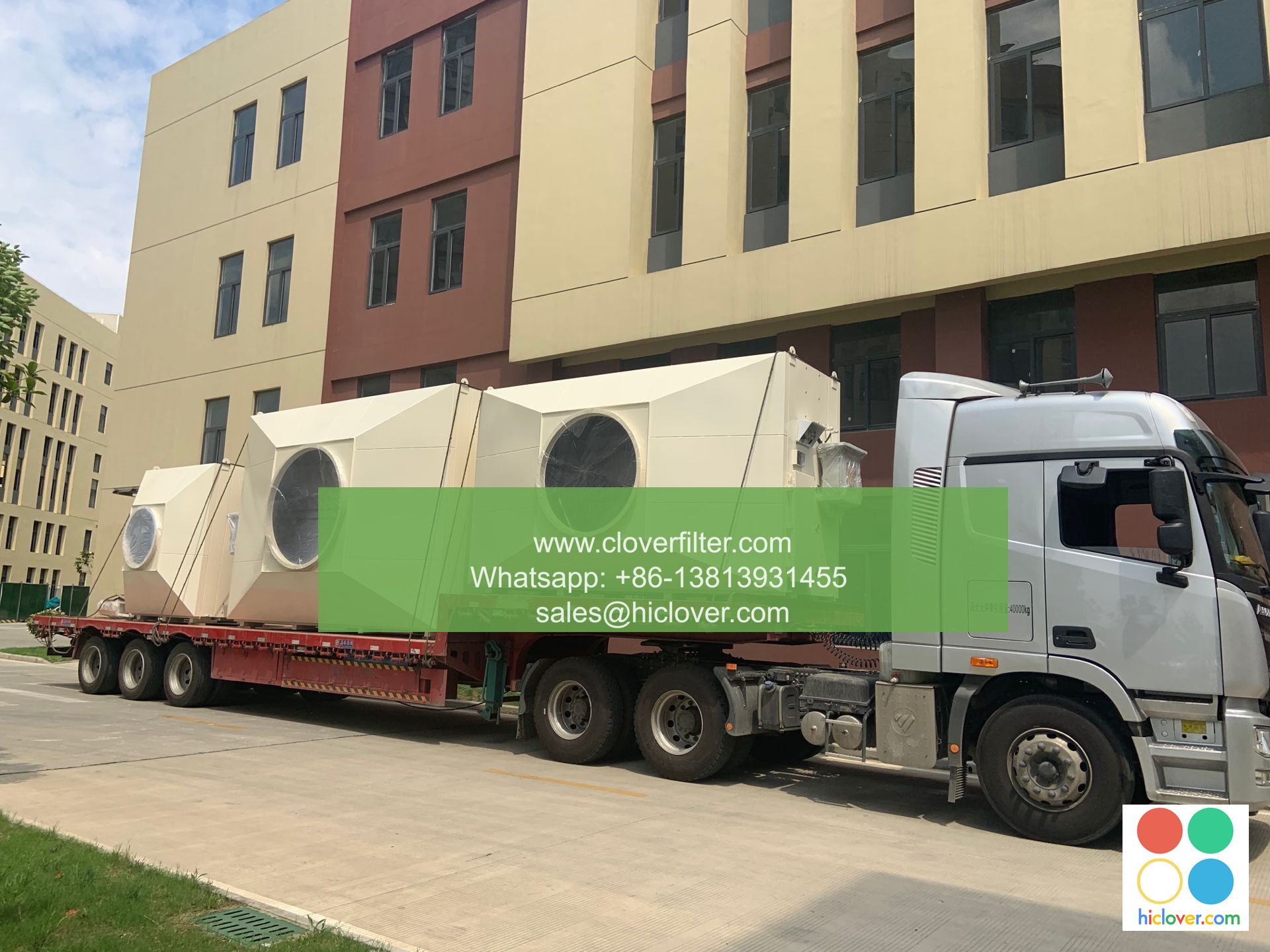
An Automatic Roll Air Filter is a sophisticated filtration system designed for continuous operation within HVAC systems. Unlike traditional filters, the automatic roll media advances seamlessly, allowing for consistent filtration performance. The functionality is driven by a differential pressure trigger that signals when the filter media needs to be replaced. The system typically operates in timer mode, ensuring filters are replaced at scheduled intervals, thus optimizing maintenance cycles.
In HVAC and AHU systems, the roll filter is strategically implemented at fresh air intakes or as an AHU prefilter. Its ability to operate under varying airflow conditions addresses diverse requirements in environments such as data centers, manufacturing facilities, and hospitals.
Practical Selection Guide for Air Filters
When selecting an air filter, consider the following factors to ensure effective performance and compatibility with your HVAC system:
Comparison of Different Filter Types
| Filter Type | Best Use Case | Maintenance | Pressure Drop Behavior | Operating Cost | Typical Risk/Downside |
|---|---|---|---|---|---|
| Automatic Roll Air Filter | High airflow environments | Low | Minimal due to automatic adjustments | Moderate to low | Requires power supply |
| Bag Filter | Heavy industrial dust | Moderate | Higher at initial use, stabilizes | Moderate | Space-consuming |
| Panel Filter | Small-scale applications | High | Variable; needs frequent checks | Higher due to frequency | Limited filtration capacity |
| V-Bank Filter | Large facilities | Low to moderate | Consistent if properly maintained | Moderate to high | Installation complexity |
Common Mistakes & How to Avoid Them
Real-World Scenarios
Frequently Asked Questions
Q1: How do Automatic Roll Air Filters minimize environmental impact?
A1: These filters reduce waste and maintenance frequency, leading to decreased operational costs and lower overall resource consumption.
Q2: What factors influence the selection of filters for my facility?
A2: Key factors include airflow requirements, face velocity, installation location, and specific operational needs of your application.
Q3: Are Automatic Roll Air Filters energy efficient?
A3: Yes, these filters can lower energy consumption by optimizing airflow and minimizing pressure drops.
Q4: How often should filters be replaced?
A4: Replacement frequency depends on differential pressure and manufacturer recommendations; automatic systems help maintain timely changes.
Q5: Can these filters help with compliance?
A5: Yes, they can assist in meeting general industry standards, such as ISO 16890, by maintaining optimal air quality levels.
Q6: How do I maintain these filters effectively?
A6: Follow recommended maintenance schedules, check differential pressure indicators, and ensure proper training for personnel.
Q7: Is there a risk of lower filtration efficiency with Automatic Roll Filters?
A7: Automatic adjustments and consistent changes mitigate risks, keeping filtration efficiency high over time.
Q8: What are the best applications for roll filters?
A8: Roll filters excel in high airflow environments, such as data centers, industrial plants, and hospitals.
Q9: How do these filters compare to traditional technologies?
A9: Automatic Roll Filters generally offer lower maintenance needs and better energy efficiency compared to bag and panel filters.
Q10: What should I consider regarding disposal of used filters?
A10: Evaluate the environmental regulations applicable to your facility and choose sustainable disposal practices for used media.
Conclusion
Understanding the air filter environmental impact throughout the lifecycle of a filtration system is essential for making informed purchasing decisions. CloverFilter offers efficient solutions, such as the Automatic Roll Air Filter, that enhance performance while reducing environmental footprints. For more inquiries or to explore our products, visit CloverFilter or contact us through our contact page.
Meta Description: Explore the lifecycle analysis of air filters, focusing on environmental impact, types, selection guidance, and common mistakes to avoid with CloverFilter.
It seems you might be looking for a prompt for writing, brainstorming, or a specific task. Could you please clarify what type of prompt you need? For example, are you looking for a story idea, a creative writing prompt, a discussion topic, or something else? Let me know how I can assist you!
