Maintaining Optimal Air Quality in Aeronautical Institutions with HVAC Ventilation
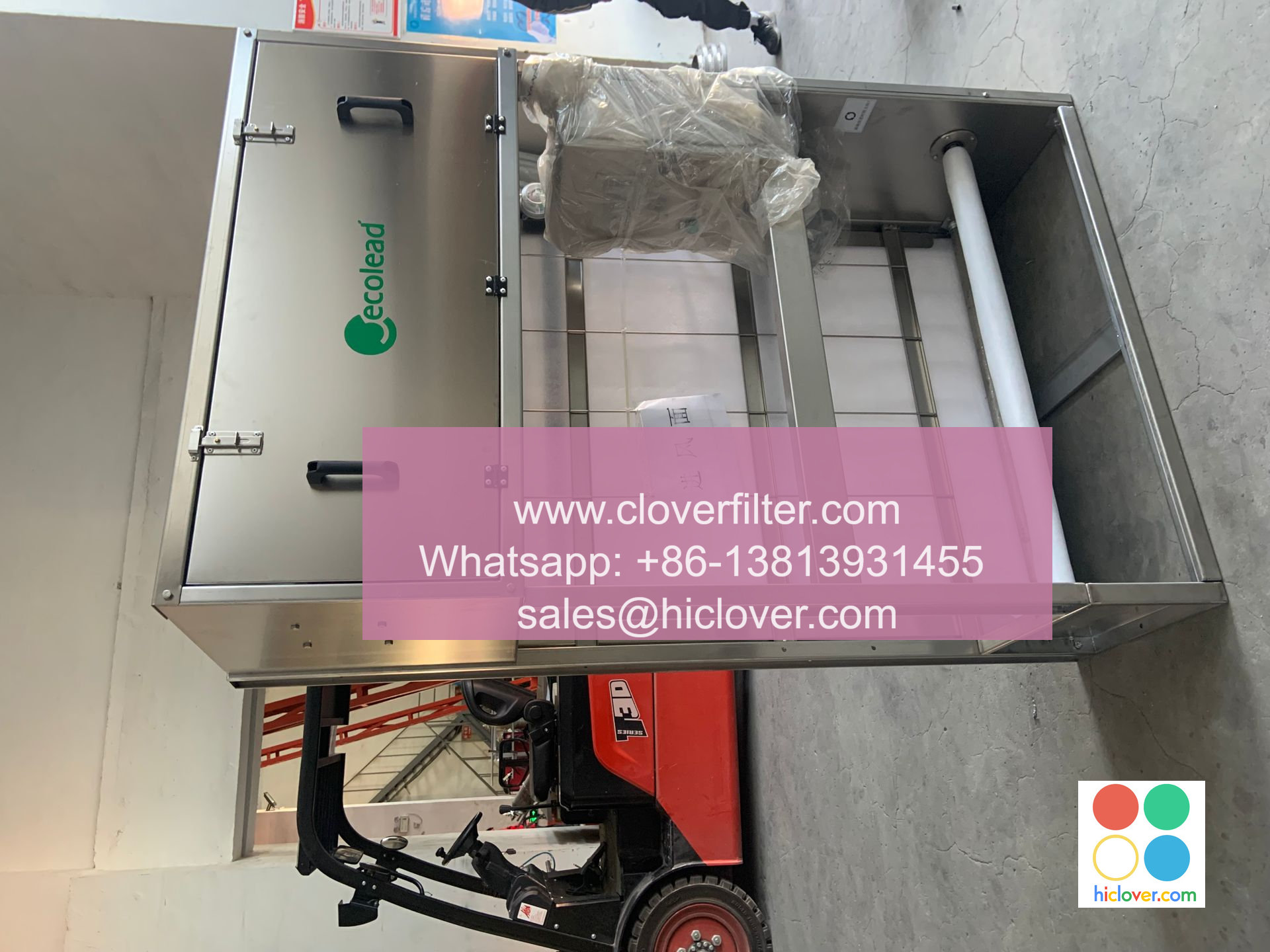
Maintaining optimal air quality in aeronautical institutions is paramount for the health and safety of students, educators, and staff. With the aviation industry’s rigorous standards and the specialized requirements in aircraft maintenance, training environments, and research facilities, an effective HVAC (Heating, Ventilation, and Air Conditioning) system plays a critical role. This article explores the significance of HVAC ventilation in ensuring high air quality, focusing on various application areas within aeronautical institutions.
Importance of Air Quality in Aeronautical Institutions

Health and Safety
In aeronautical institutions, poor air quality can lead to a range of health issues, including respiratory problems, allergies, and decreased productivity. Proper ventilation helps to dilute and remove indoor pollutants, thereby promoting a healthier environment.
Compliance with Regulations
Aeronautical educational institutions must comply with regulations and standards set by aviation authorities and health organizations. Adequate ventilation systems help ensure compliance with applicable legislation, including OSHA and EPA guidelines on indoor air quality.
Key Components of HVAC Systems in Aeronautical Institutions
Air Filtration
Air filters are a critical component of HVAC systems. They capture dust, pollen, and other allergens, enhancing indoor air quality. High-Efficiency Particulate Air (HEPA) filters are particularly effective in trapping microscopic particles.
Humidity Control
Maintaining optimal humidity levels (between 30% and 50%) is essential in preventing mold growth and ensuring comfort. HVAC systems equipped with humidifiers or dehumidifiers can actively manage moisture levels, critical in aircraft maintenance areas where moisture can damage equipment.
Ventilation Rates
Adequate ventilation rates, as defined by ASHRAE standards, ensure that fresh outdoor air is regularly exchanged with indoor air. This is crucial in workshops and laboratories, where fumes, gases, or other contaminants may accumulate.
Application Areas of HVAC Ventilation in Aeronautical Institutions
Classroom and Training Environments
In classrooms where aeronautical students learn theories and practices, maintaining fresh air is essential for cognitive functioning. Implementing CO2 sensors within HVAC systems can help monitor indoor air quality and automatically adjust ventilation rates.
Aircraft Maintenance Hangars
In maintenance hangars, hazardous materials such as aviation fuel, solvents, and oils may be present. Advanced HVAC ventilation systems equipped with fume extraction can ensure that harmful emissions are effectively removed from the workspace, enhancing air quality and safety.
Research Labs
Aerospace research laboratories often utilize volatile chemicals and materials. Specialized HVAC systems with proper exhaust options help maintain a controlled environment, ensuring researchers are not exposed to potentially harmful substances.
Simulation and Wind Tunnel Facilities
In simulation environments and wind tunnels, the integration of advanced HVAC systems is crucial to maintain desired atmospheric conditions. This technology collaborates with ventilation systems tailored to specific airflow requirements, ensuring testing environments meet set parameters.
Best Practices for Optimizing HVAC Systems
Regular Maintenance
Regular maintenance of HVAC systems, including filter replacement and system checks, is vital for ensuring that they operate at peak efficiency. Scheduled inspections can identify potential issues before they escalate, maintaining optimal air quality.
Integration of Smart Technology
Incorporating smart technology into HVAC systems allows for remote monitoring and automated adjustments based on real-time air quality readings. This adaptability ensures that aeronautical institutions can respond swiftly to any changes in air quality.
Staff Training and Awareness
Training staff members about the importance of air quality and proper HVAC operation can foster a culture of health and safety within aeronautical institutions. Awareness campaigns can highlight practices that support the maintenance of high air quality.
Conclusion
The significance of maintaining optimal air quality in aeronautical institutions through effective HVAC ventilation systems cannot be overstated. By focusing on air filtration, humidity control, and adequate ventilation rates, institutions can create a safe and healthy learning environment. As the demand for skilled professionals in the aviation industry grows, the commitment to air quality will contribute not only to the well-being of students and staff but also to the overall improvement of the aeronautical field. Implementing best practices and embracing technology will ensure that these institutions remain at the forefront of educational excellence and safety.
Sure! What kind of prompt are you looking for? It could be for writing, art, a discussion topic, or something else entirely. Let me know your preference!
