Maintaining Pepsi Bottling Line Integrity: The Importance of Air Filtration and Sterilization
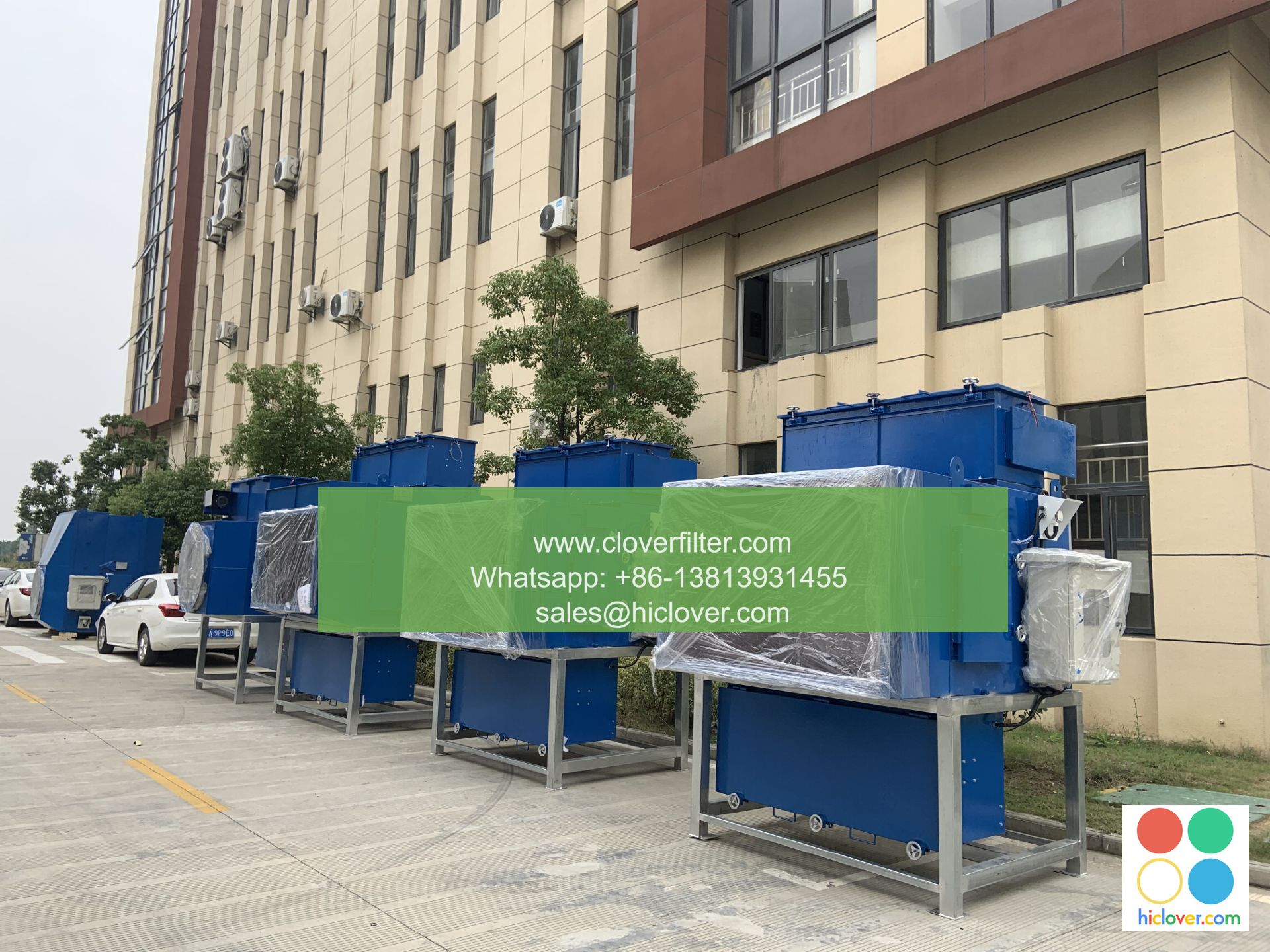
The Importance of Air Filtration and Sterilization

Overview of the Pepsi Bottling Process
The bottling of Pepsi involves a complex and finely-tuned production line where efficiency, safety, and hygiene are critical. A key aspect of this process is the integrity of the bottling line, which directly impacts product quality. Maintaining a controlled environment is essential for preventing contamination, ensuring consumer safety, and preserving brand reputation.
Why Air Filtration is Crucial
Air quality plays a pivotal role in the bottling process. The introduction of contaminants like dust, microorganisms, and volatile organic compounds can lead to product spoilage and compromised safety. Effective air filtration systems help maintain a clean environment by:
- Removing particulate matter from the air
- Reducing the risk of microbial contamination
- Ensuring compliance with health and safety regulations
- Enhanced product quality by eliminating pathogens
- Increased shelf-life for bottled beverages
- Reduction in the frequency of equipment maintenance
- Production Facilities: Ensuring that all air entering production areas is clean and free of contaminants.
- Storage Areas: Maintaining air quality in warehouses to protect stored products from spoilage and degradation.
- Packaging Lines: Preventing contamination during the packaging process to safeguard the integrity of the final product.
- Regular maintenance of air filtration systems to ensure their efficiency.
- Utilize advanced sterilization technologies such as UV light or HEPA filters.
- Conduct routine audits of air quality in various bottling areas.

The Role of Sterilization in Bottling Line Maintenance
While air filtration systems are essential, they must be complemented by effective sterilization processes. Sterilization ensures that any residual microorganisms are eliminated, keeping the bottling line safe and efficient. Key benefits of air sterilization include:
Critical Applications of Air Filtration and Sterilization
Various application areas benefit significantly from robust air filtration and sterilization systems. These include:
Best Practices for Implementing Air Filtration and Sterilization
To maximize the effectiveness of air filtration and sterilization systems in Pepsi bottling lines, consider these best practices:
