Managing Allergies: The Role of Durable Air Filters
Key Takeaways:
- Air filter durability enhances long-term performance and reduces maintenance.
- Automatic Roll Air Filters provide efficient airflow and particulate control.
- Correct selection improves health and environmental conditions.
- Compliance with industry standards ensures reliable operation.
- Integration in HVAC systems aids in managing allergies and pollutants.
- Understanding different filter types can optimize filtration strategies.
- Airflow Range: Determine the required airflow capacity for your facility.
- Face Velocity: Identify the optimal velocity that prevents excessive pressure drop while ensuring effective filtration.
- Media Width/Length: The dimensions of the filter media should suit your installation space.
- Frame Size: Ensure the frame fits seamlessly within the AHU or ducting system.
- Control Options: Choose between manual or automated control based on operational needs.
- Power Supply: Assess whether a standard or custom power supply is needed for installation.
- Installation Location: Define the appropriate placement, be it at the fresh air intake, return, or in-process areas.
- Ignoring Airflow Needs: Always match filter selection to the facility’s airflow requirements.
- Overlooking Pressure Drop: Select filters with acceptable pressure drops to prevent system strain.
- Neglecting Maintenance Protocols: Establish clear maintenance schedules to avoid premature failure.
- Choosing Based on Price Alone: Consider durability and efficiency over initial cost.
- Inadequate Placement: Ensure filters are installed at optimal locations for maximum efficiency.
- Failing to Assess Compatibility: Verify that filter sizes and specifications fit existing systems.
- Underestimating Filtration Needs: Assess particulate levels and environmental factors in your facility.
- Skimping on Quality Checks: Regularly monitor filter effectiveness and replace when necessary.
- Ignoring Regulations: Stay informed about relevant filtration standards to ensure compliance.
- Not Consulting Experts: Utilize the expertise of filtration professionals for complex environments.

Understanding Air Filter Durability

Air filter durability is a vital aspect to consider when choosing filtration systems, particularly for environments where air quality directly impacts health. Durable air filters maintain effectiveness by providing consistent particulate control without frequent replacements. This is especially crucial in settings such as cleanrooms, hospitals, and various manufacturing facilities where pollutants can trigger allergies and compromise safety.
What is an Automatic Roll Air Filter?
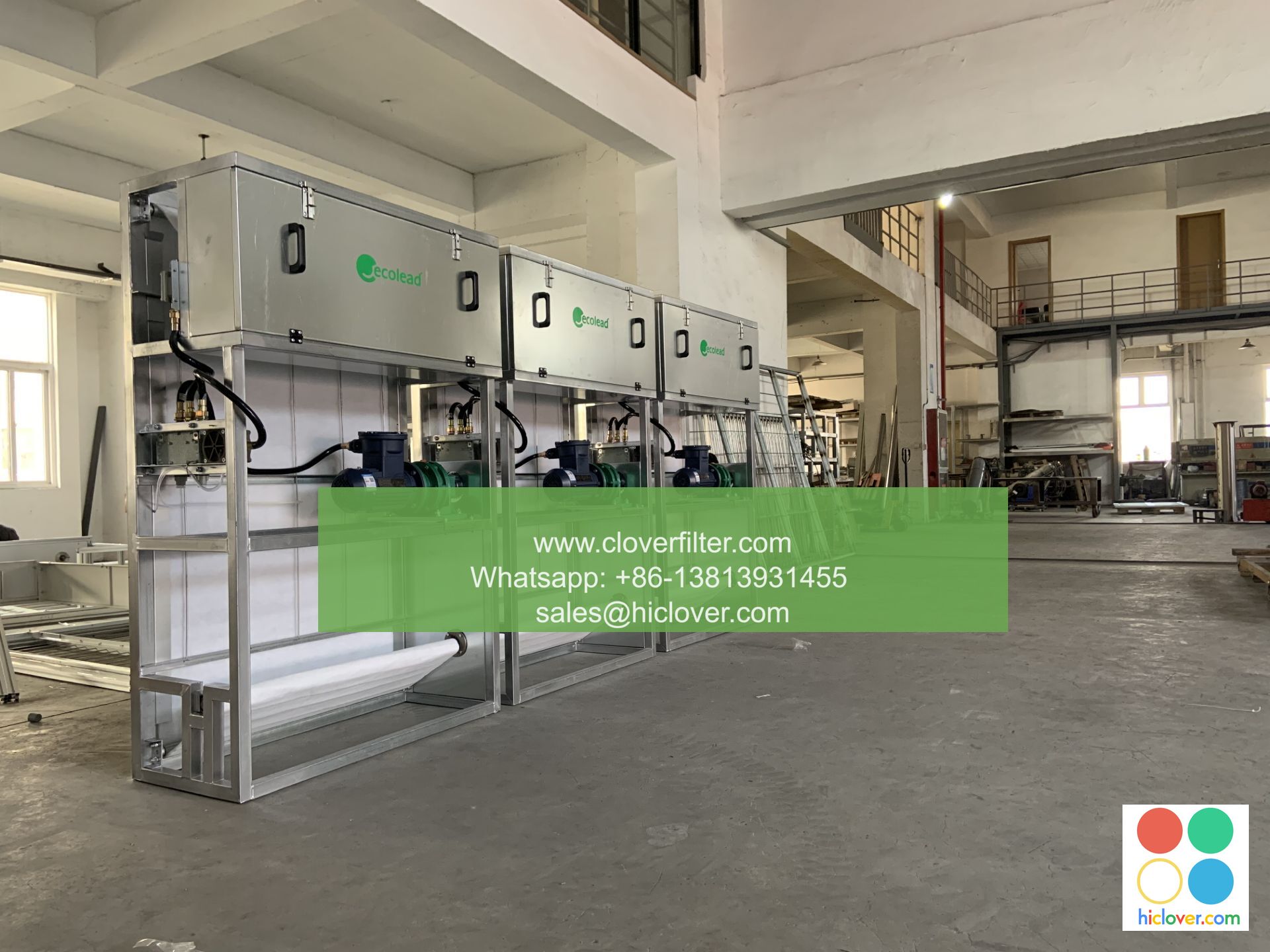
An Automatic Roll Air Filter is an innovative filtration solution that incorporates a roll media mechanism to enhance air quality management in industrial and commercial settings. This system consists of a large roll of filter media that automatically advances as the filter gets dirty, ensuring that clean media is consistently in use. The roll media advance logic, triggered by differential pressure readings, alerts maintenance personnel when it’s time to replace the media, reducing manual monitoring.
As part of the HVAC system, particularly in air handling units (AHUs), the Automatic Roll Air Filter serves to capture particulate matter, ensuring that clean air enters the facility. Featuring timer mode for proactive replacement management, it not only improves air quality but also contributes to operational efficiency.
Practical Selection Guide for Automatic Roll Air Filters
When considering the implementation of an Automatic Roll Air Filter, here’s a practical selection guide:
Comparison of Filter Types
Understanding the various filter options available is crucial for effective air quality management. Below is a comparison of different air filter types.
| Filter Type | Best Use Case | Maintenance | Pressure Drop Behavior | Operating Cost | Typical Risk/Downside |
|---|---|---|---|---|---|
| Automatic Roll Air Filter | High-traffic commercial/industrial | Low | Stable | Cost-effective | Limited initial setup complexity |
| Bag Filter | General industrial applications | Moderate | Moderate | Competitive | Can require periodic replacement |
| Panel Filter | Residential and light commercial | Low to Moderate | High | Economical | Lower dirt holding capacity |
| V-bank | Heavy dust-load environments | Moderate to High | Variable | Higher | Maintenance intensity during load |
Common Mistakes & How to Avoid Them
Real-World Scenarios
Data Center: At a data center, the selection of an Automatic Roll Air Filter improved air quality significantly. Dust and particulate matter were reduced, leading to decreased equipment failure and lower energy consumption.
Battery Factory: An Automatic Roll Air Filter was integrated in the fresh air intake of a lithium battery manufacturing plant. The filter’s durability allowed flawless operation even in high-dust environments, minimizing downtime and enhancing productivity.
Paint Shop: In a paint booth, air quality is paramount. By deploying a robust air filter system, the facility saw a reduction in airborne particles, leading to better workspace conditions and compliance with health regulations.
Textile/Steel/Cement Plant: These plants benefitted from the use of durable air filters, which significantly reduced maintenance needs while improving air quality for workers, thereby directly addressing allergy and respiratory issues associated with particulate exposure.
FAQ Section
Q1: What are the benefits of using an Automatic Roll Air Filter?
A1: They minimize maintenance, provide effective filtration, and are suited for high flow applications.
Q2: How does differential pressure work in air filters?
A2: Differential pressure indicates when a filter is becoming restricted and needs replacement, optimizing filter change intervals.
Q3: Where should I install my Automatic Roll Air Filter?
A3: Ideal locations include fresh air intakes, return ducts, and particular process areas to maximize effectiveness.
Q4: Can I adapt existing systems to integrate roll filters?
A4: Yes, with the right specifications and adjustments, roll filters can often be integrated into existing HVAC systems.
Q5: What is the expected lifespan of an Automatic Roll Air Filter?
A5: Lifespan varies based on usage, but they are designed for durability and longer intervals than traditional filters.
Q6: How do I determine the correct size for my air filter?
A6: Measure the frame size and evaluate airflow needs to find suitable dimensions.
Conclusion
Choosing the right air filtration system is essential for managing allergies and maintaining a healthy environment in various industrial and commercial settings. The durability of air filters, particularly the Automatic Roll Air Filters by CloverFilter, offers significant benefits for long-term operation and maintenance reduction. For further inquiries and assistance, explore CloverFilter’s offerings on CloverFilter or reach out via the contact page.
Meta Description: Explore how durable air filters, such as Automatic Roll Air Filters, can effectively manage allergies and improve air quality in industrial settings.
For more information about improving your industrial air filtration systems, feel free to reach out to CloverFilter at CloverFilter Contact.
It looks like you entered “Prompt.” How can I assist you with that? Are you looking for a specific type of prompt, such as writing, artistic inspiration, or something else? Let me know!
