Markham Data Center Cleanroom Compliance: Ensuring Regulatory Adherence with Automatic Roll Air Filters and Cleanroom Design
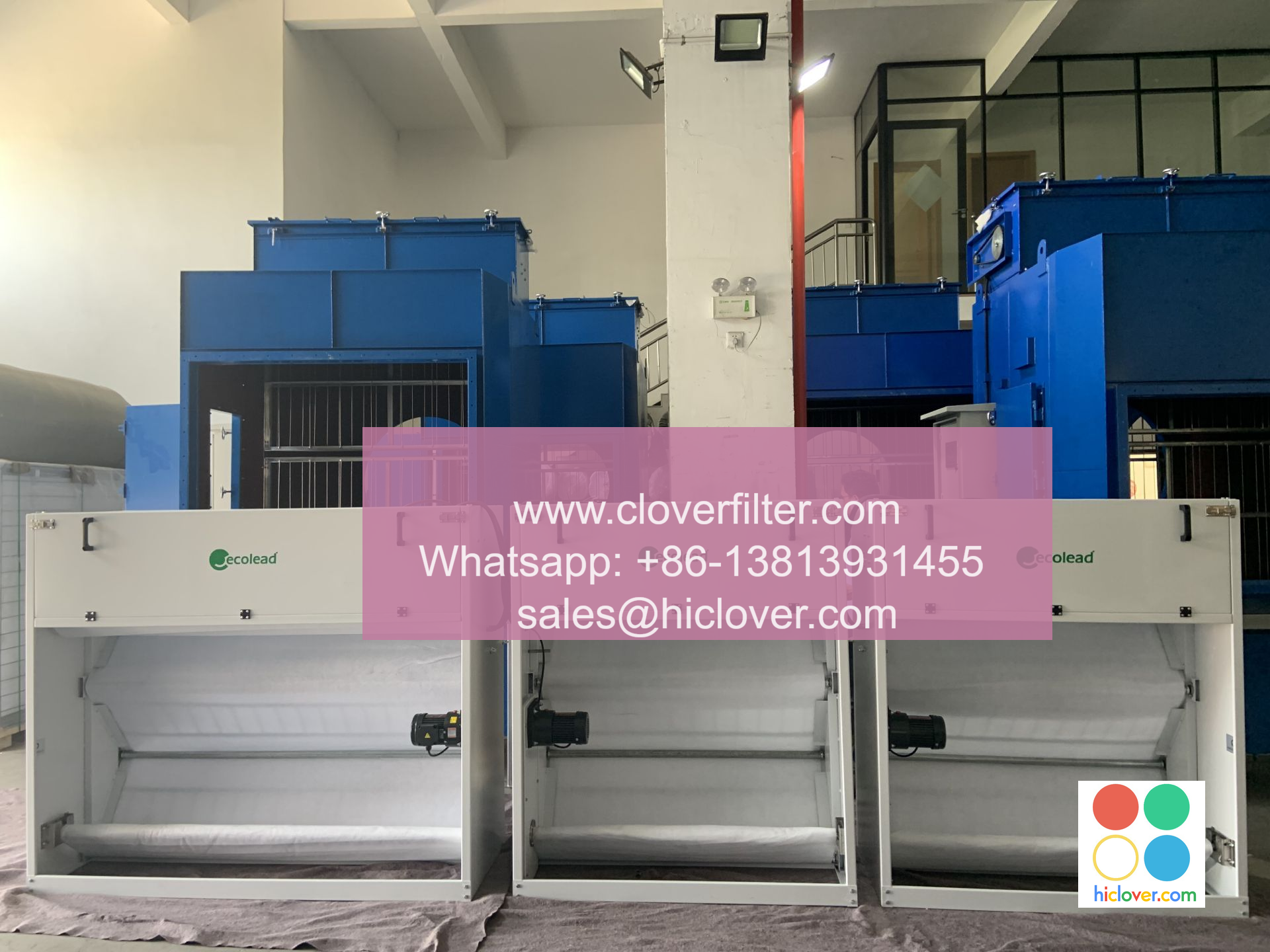
The data center industry is continually evolving, with increasing demands for efficiency, reliability, and compliance. Markham, Ontario, has become a hub for technological advancement, necessitating strict adherence to regulatory standards regarding cleanroom environments. Cleanrooms play a crucial role in ensuring that sensitive equipment and data are protected from contaminants, and proper design, along with innovative solutions such as automatic roll air filters, can significantly enhance compliance and operational efficiency.
Importance of Cleanroom Compliance
In data centers, cleanroom compliance is essential to protect critical infrastructure. Failure to meet these standards can lead to equipment failure, decreased operational efficiency, and losses in revenue. Regulatory bodies set guidelines that govern the cleanliness of air and the materials used in cleanroom environments. Compliance is not just about following the law; it is about safeguarding technology and data integrity.
Key Aspects of Cleanroom Design
A cleanroom must be designed with specific factors in mind:
- Air Quality Control: This is achieved through High-Efficiency Particulate Air (HEPA) filters and automatic roll air filters that can adjust airflow precisely to maintain cleanliness.
- Materials Selection: Non-porous surfaces, cleanroom-compatible furniture, and equipment are crucial to minimize particle generation.
- Temperature and Humidity Regulation: Maintaining optimal levels helps prevent static electricity, which can be detrimental to sensitive electronic components.
- Classifications and Standards: Cleanrooms must comply with ISO standards (such as ISO 14644) that define permissible levels of airborne contaminants based on the class designation.
- Efficiency: They optimize energy consumption while ensuring the consistent airflow necessary for cleanroom operations.
- Real-time Monitoring: These systems can be integrated with monitoring technologies that provide analytics on filter performance and air quality.
- Reduce Maintenance Burden: Automatic air filters require less frequent manual changes, reducing downtime and maintenance costs.
- Regular Inspections: Frequent evaluations and certifications are necessary to ensure ongoing compliance with regulatory standards.
- Training and Awareness: Staff must be educated about cleanroom protocols to maintain compliance consistently.
- Upgrading Technology: As standards change, older systems may require upgrades or replacement to meet new compliance guidelines.

Automatic Roll Air Filters: An Innovative Solution
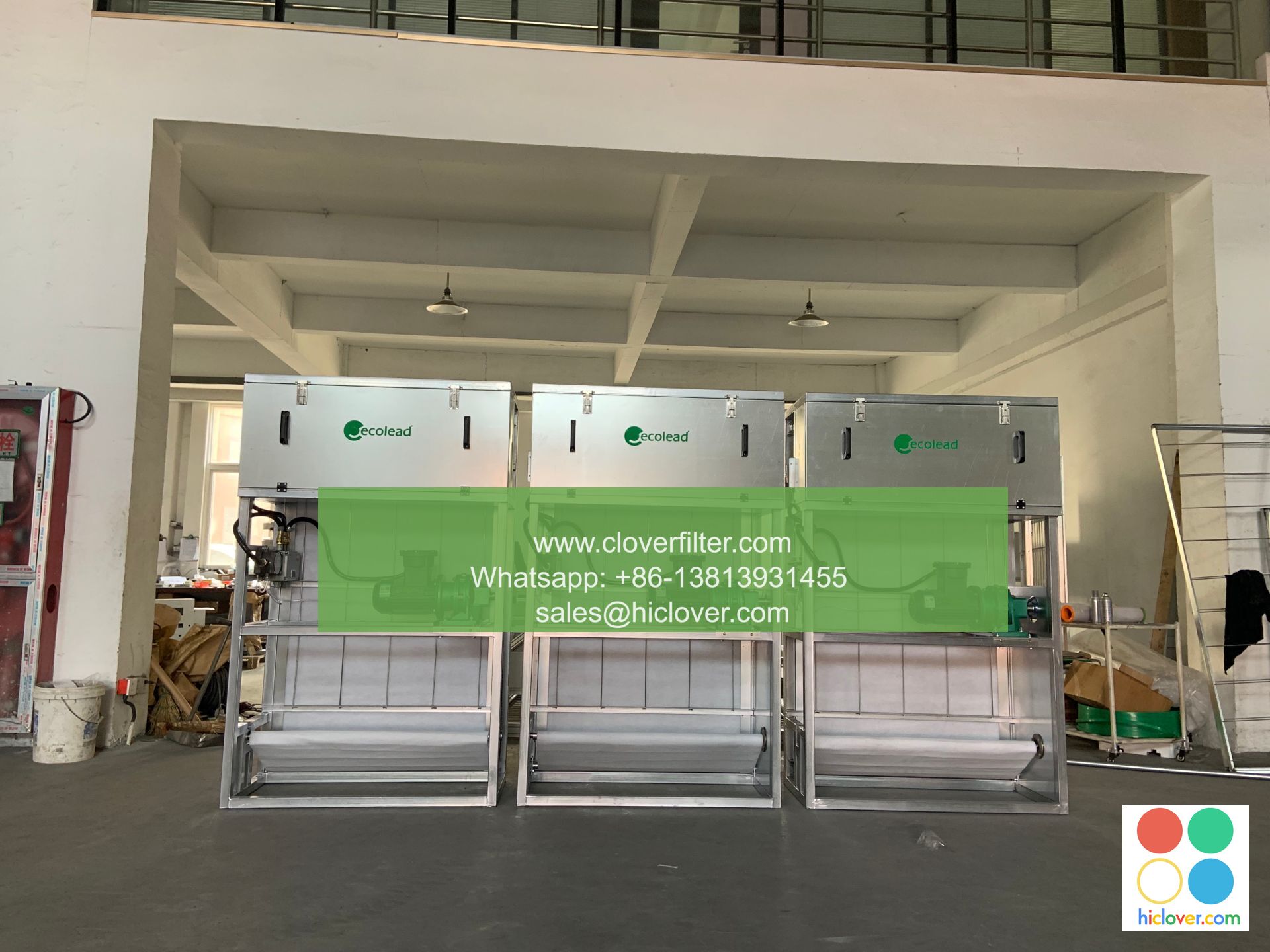
Automatic roll air filters have revolutionized cleanroom airflow management. Unlike static filters, these systems actively adjust to real-time conditions, ensuring that air quality remains within the required limits:
Challenges in Maintaining Compliance
Even with advanced systems, organizations face challenges in maintaining compliance.
Conclusion
Markham’s drive toward becoming a leading data center hub is complemented by stringent cleanroom compliance standards. By investing in advanced technologies like automatic roll air filters and adhering to meticulously designed cleanroom standards, organizations can enhance their operational reliability and stakeholder trust. Striking a balance between compliance, innovation, and efficiency is essential for establishing a competitive advantage in this fast-evolving industry.
FAQs
Q1: What is ISO 14644?
A1: ISO 14644 is an international standard that defines the classification of air cleanliness in cleanrooms and controlled environments based on the quantity and size of particles present.
Q2: How do automatic roll air filters work?
A2: Automatic roll air filters work by using a continuous filtration mechanism that allows them to adapt airflow and filter conditions based on real-time data, improving efficiency and air quality.
Q3: Why is cleanroom training for staff important?
A3: Cleanroom training is vital as it ensures that all staff members understand and adhere to protocols necessary for maintaining a contamination-free environment, thus ensuring regulatory compliance.
