Maximizing Efficiency: The Role of Air Filters in Dar es Salaam’s Cold Chain
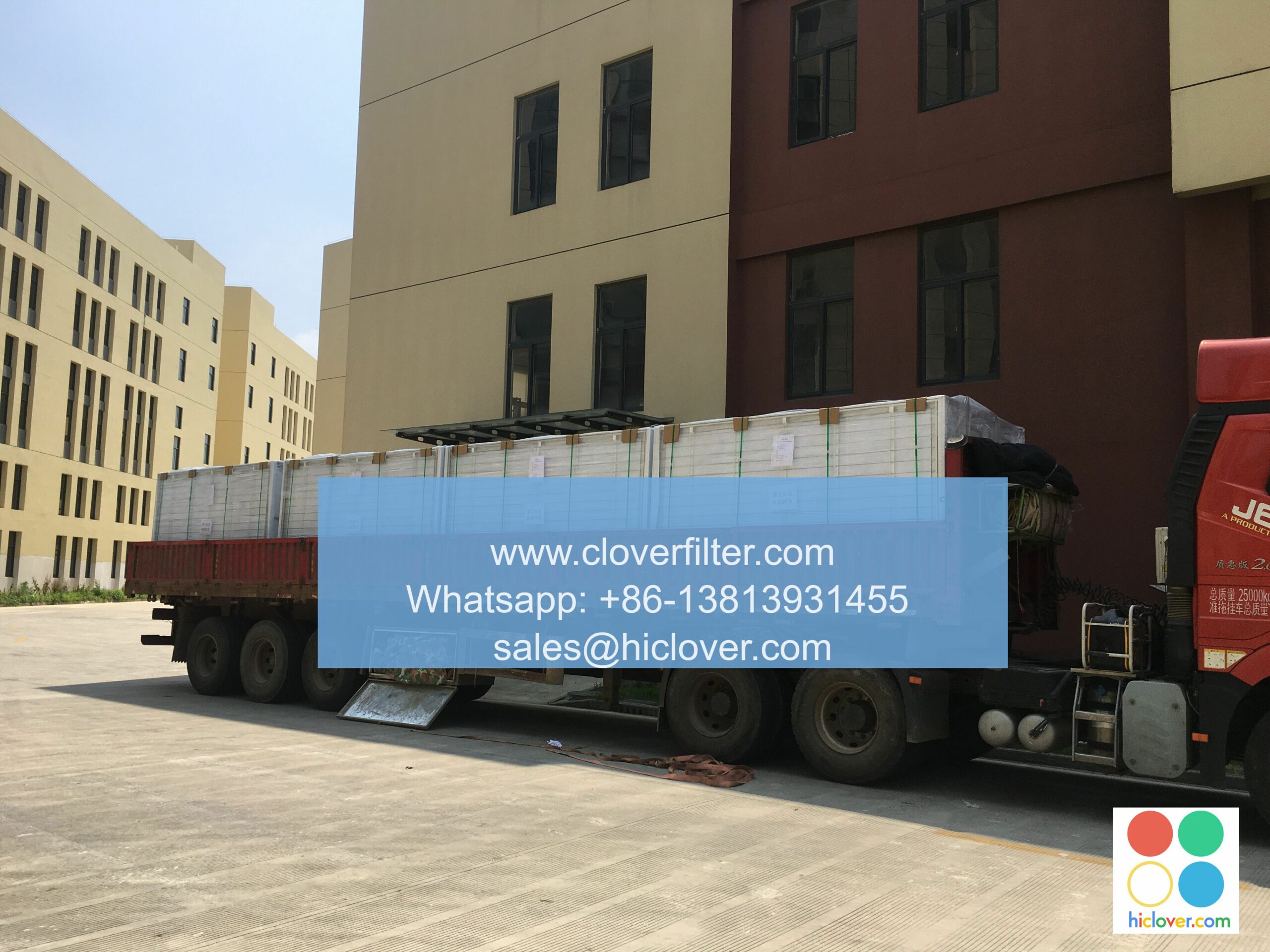
In Dar es Salaam, Tanzania, the need for an efficient cold chain system is more critical than ever. As the city continues to grow, so do the demands for safe storage and transportation of perishable goods, pharmaceuticals, and other temperature-sensitive products. One of the essential components that significantly enhance efficiency in this cold chain system is air filters.
Understanding the Cold Chain in Dar es Salaam

The cold chain refers to a temperature-controlled supply chain that ensures the integrity and safety of products like food, vaccines, and biological samples. In Dar es Salaam, the effectiveness of this cold chain is vital for public health and food security, as improper handling can lead to spoilage, wastage, and health hazards.
The Importance of Air Filters
Air filters play a critical role in maintaining the quality of the cold chain. By improving air quality and removing particulates, bacteria, and other pollutants, air filters help ensure:
- Quality Preservation: Protecting temperature-sensitive items from contamination.
- Energy Efficiency: Reducing the workload on refrigeration units, thus lowering energy consumption.
- Compliance with Standards: Meeting health and safety regulations for storing pharmaceuticals and food products.
Applications of Air Filters in Dar es Salaam’s Cold Chain
1. Pharmaceutical Storage Facilities
In the pharmaceutical sector, air filters are essential for maintaining sterile environments in warehouses and clinics. They ensure that vaccines and medications are stored in optimal conditions, free from air contaminants that could compromise efficacy.
2. Food Processing Plants
Food processing facilities in Dar es Salaam rely on air filtration to ensure product safety. Filters help minimize airborne bacteria and allergens, thus extending the shelf life of processed foods while ensuring compliance with food safety standards.
3. Transportation Vehicles
Cold storage vehicles equipped with advanced air filtering systems allow for the safe transport of perishables. Filters help maintain interior temperatures and humidity levels, crucial for sustaining the quality of products during transit.
Efficiency Gains Through Innovative Filtering Technologies
Innovations in air filtration technology are accelerating efficiency in the cold chain. High-Efficiency Particulate Air (HEPA) filters, for instance, can capture up to 99.97% of airborne particles. This capability is invaluable in settings where product integrity is paramount.
Challenges and the Future of Cold Chain Management
Despite the clear benefits, challenges persist in implementing effective air filtration systems. Factors such as cost, access to technology, and the need for maintenance can hinder optimal performance. However, with public and private sector collaboration, there is potential for improving infrastructure, increasing awareness, and adopting best practices in air filtration.
Conclusion
In conclusion, air filters are indispensable to the efficiency and integrity of Dar es Salaam’s cold chain. By investing in advanced air filtration technologies and systems, stakeholders can enhance the quality and safety of perishable goods, thereby improving public health and food security.
Sure! What kind of prompt are you looking for? It could be for writing, art, creative thinking, or something else entirely. Let me know how I can assist you!
