Maximizing Efficiency: The Role of Roll Filters in Dust Reduction
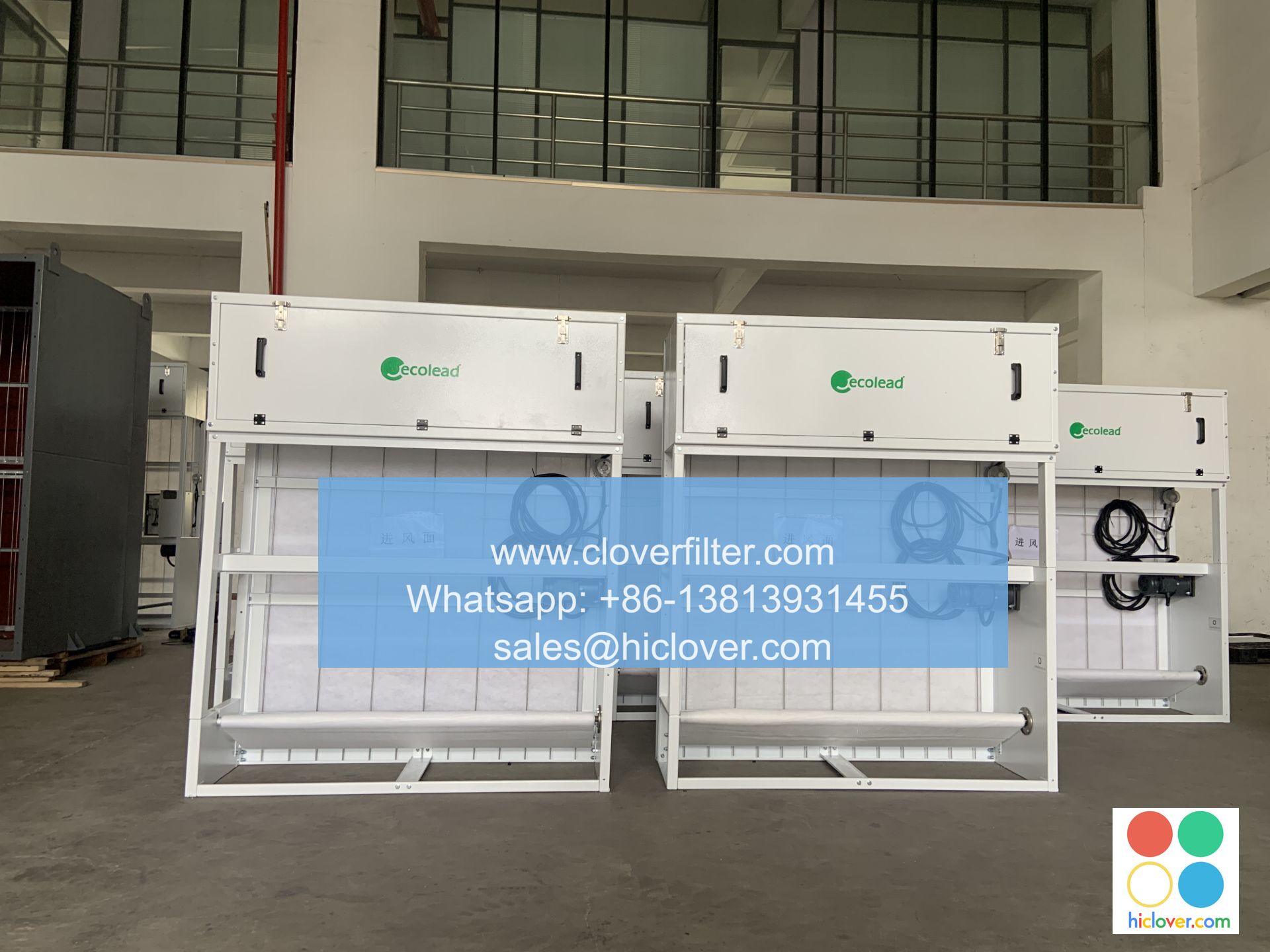
In today’s fast-paced industrial landscape, reducing dust emissions has become paramount for maintaining worker safety, optimizing machinery performance, and ensuring compliance with environmental regulations. One effective solution gaining traction in various sectors is the use of roll filters for dust reduction.
Understanding Roll Filters

Roll filters consist of a continuous roll of filter media that captures airborne particulates while allowing air to flow through. Their unique design offers several advantages, including a larger surface area for filtration, ease of installation, and reduced maintenance costs. By maximizing efficiency, these filters play a crucial role in dust control across multiple industries.
The Mechanism Behind Dust Reduction
Roll filters operate on the principle of mechanical filtration, where particles are trapped as air flows through the filter media. The construction of roll filters typically features layers of fibrous material designed to capture different sizes of particles, enhancing filtration efficiency. This capability is especially vital in applications where fine dust can cause significant operational challenges.
Key Application Areas
1. Manufacturing Facilities
In manufacturing setups, dust generated from cutting, grinding, and machining processes can accumulate rapidly. Utilizing roll filters ensures that these particles are effectively captured, promoting a cleaner work environment and preventing machinery wear and tear.
2. Wood and Paper Industries
The wood and paper industries produce vast amounts of sawdust and wood shavings. Implementing roll filters in these facilities not only helps with dust control but also allows for the recycling of materials, thus contributing to sustainable practices.
3. Construction Sites
Dust from construction activities poses health risks to workers and nearby communities. Roll filters installed in ventilation systems can significantly reduce airborne particles, enhancing air quality and compliance with occupational safety standards.
4. Food Processing
Maintaining cleanliness is critical in the food processing industry. Roll filters help in minimizing dust and particulate contamination, thereby preserving product integrity and meeting health regulations.
Benefits of Using Roll Filters
- Improved Air Quality: Roll filters significantly enhance indoor air quality by capturing harmful dust particles.
- Cost Efficiency: The longevity and low maintenance requirements of roll filters lead to reduced operational costs.
- Compliance: Using roll filters helps businesses meet strict environmental and occupational regulations related to dust emissions.
- Sustainability: Many roll filters are designed for easy recycling, supporting environmentally-friendly practices.
Conclusion
As industries strive for greater efficiency while reducing their environmental footprint, the implementation of roll filters in dust reduction strategies stands out as a solution that benefits both productivity and air quality. By understanding the role these filters play within various application areas, organizations can maximize efficiency, protect their workforce, and contribute to sustainable operations.
It seems like your message got cut off. Could you please provide more detail about the prompt or topic you’re interested in? I’m here to help!
