Maximizing Performance: Understanding Air Filter Dimensions
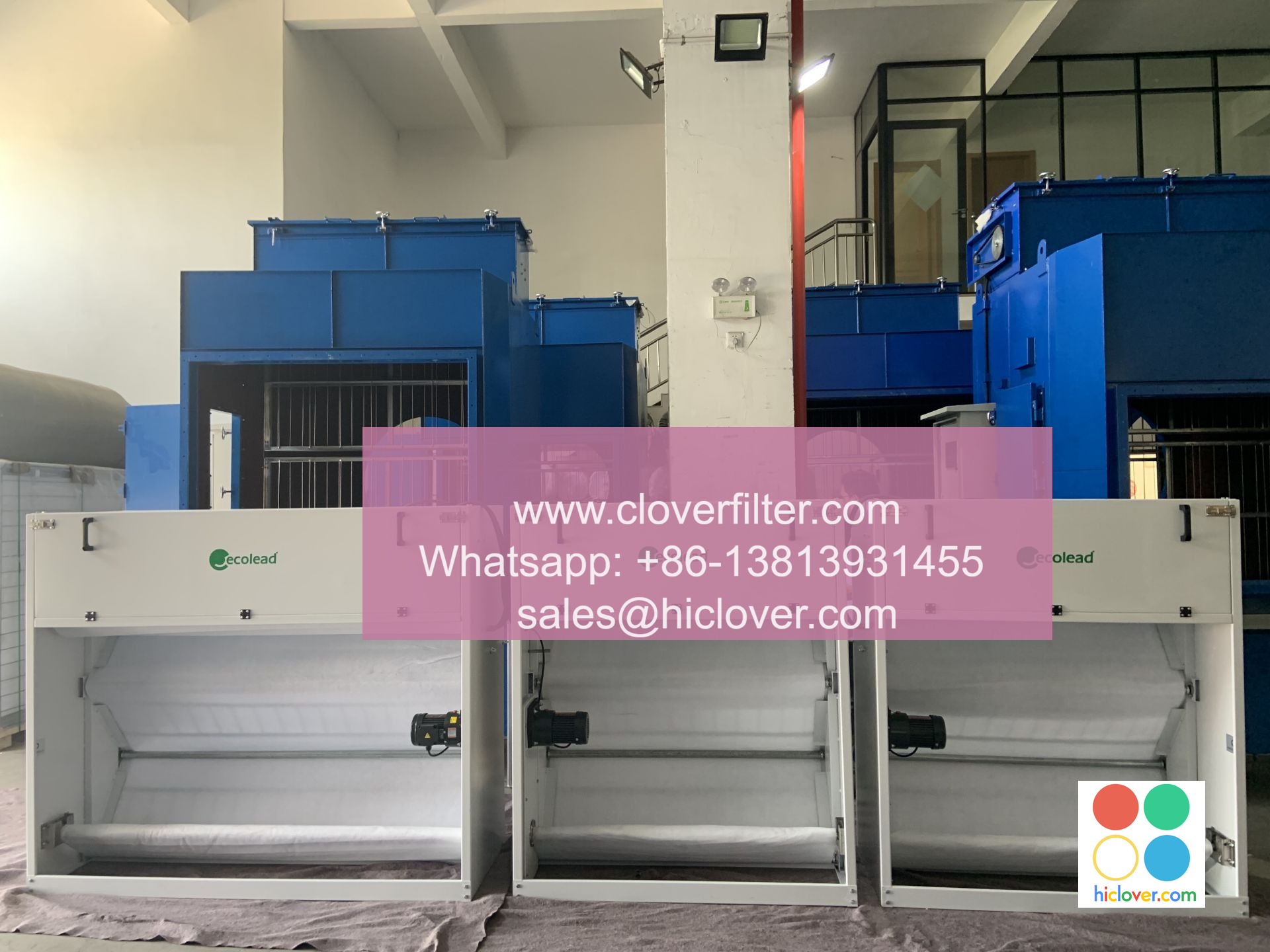
Maximizing Performance: Understanding Air Filter Dimensions
When it comes to ensuring optimal system performance, one of the most often-overlooked aspects is air filters. Despite their importance, air filters can be a complex topic to navigate, especially when it comes to understanding the various dimensions and specifications. In this article, we’ll delve into the world of air filter dimensions and explore the key factors that impact performance, highlighting various application areas and showcasing how proper selection can lead to significant gains in efficiency and reliability.

The Importance of Air Filters
Air filters play a crucial role in a wide range of applications, from industrial and commercial systems to residential and automotive uses. These filters are designed to capture contaminants and debris, preventing damage to critical system components and maintaining optimal performance. However, with so many options on the market, selecting the right air filter can be a daunting task.
Air Filter Dimensions: A Crucial Consideration
Air filter dimensions are a critical factor in determining performance. The physical size and design of the filter can significantly impact airflow, pressure drop, and overall efficiency. Here are some key dimensions to consider:
- Filter size: Larger filters can accommodate more debris and contaminants, but may also increase pressure drop and reduce airflow. Smaller filters, on the other hand, may require more frequent replacement and may not be effective in capturing larger particles.
- Frame type: The type of frame used in an air filter can also impact performance. For example, a sturdy frame can withstand higher flow rates, while a lighter frame may be more suitable for lower flow applications.
- Media thickness: The thickness of the filter media can also affect performance. Thicker media may provide better filtration, but may also increase pressure drop and reduce airflow.
- Airflow: Adequate airflow is essential for maintaining system performance and preventing damage. Look for filters with a low pressure drop and high airflow ratings.
- Filtration efficiency: The ability of an air filter to capture contaminants and debris is critical. Look for filters with high filtration efficiency and a low particle size rating.
- Durability: Air filters are often subject to harsh conditions, such as high temperatures and corrosive environments. Look for filters with a durable construction and resistance to these factors.
- Industrial systems: Air filters play a critical role in maintaining optimal performance in industrial systems, such as HVAC, power generation, and manufacturing.
- Residential applications: Air filters are essential in residential settings, from air conditioning and heating systems to ventilation and air purification.
- Automotive systems: Air filters are used in a variety of automotive applications, from fuel systems to engine compartments.
- Aerospace and defense: High-performance air filters are critical in aerospace and defense applications, where reliability and efficiency are paramount.
- Filter Purchasing Guide
- Air Filter Size Chart
- Filtration Efficiency Guide

Key Performance Factors
When it comes to air filter performance, several key factors should be considered:
Application Areas: Where Air Filters Make a Difference
Air filters can be used in a wide range of applications, including:
Conclusion
In conclusion, air filters are a critical component in a wide range of applications, from industrial and commercial systems to residential and automotive uses. By understanding the importance of air filter dimensions, as well as the key performance factors that impact efficiency and reliability, you can ensure optimal system performance and minimize downtime. Whether you’re specifying air filters for a new project or upgrading an existing system, proper selection and installation can lead to significant gains in efficiency and reliability.
Additional Resources
I’m here! I’d love to help with any prompt you have in mind. What would you like to talk about, ask, or create?
