McMaster Researchers’ Perceptions of Automatic Roll Air Filters: A Survey Study
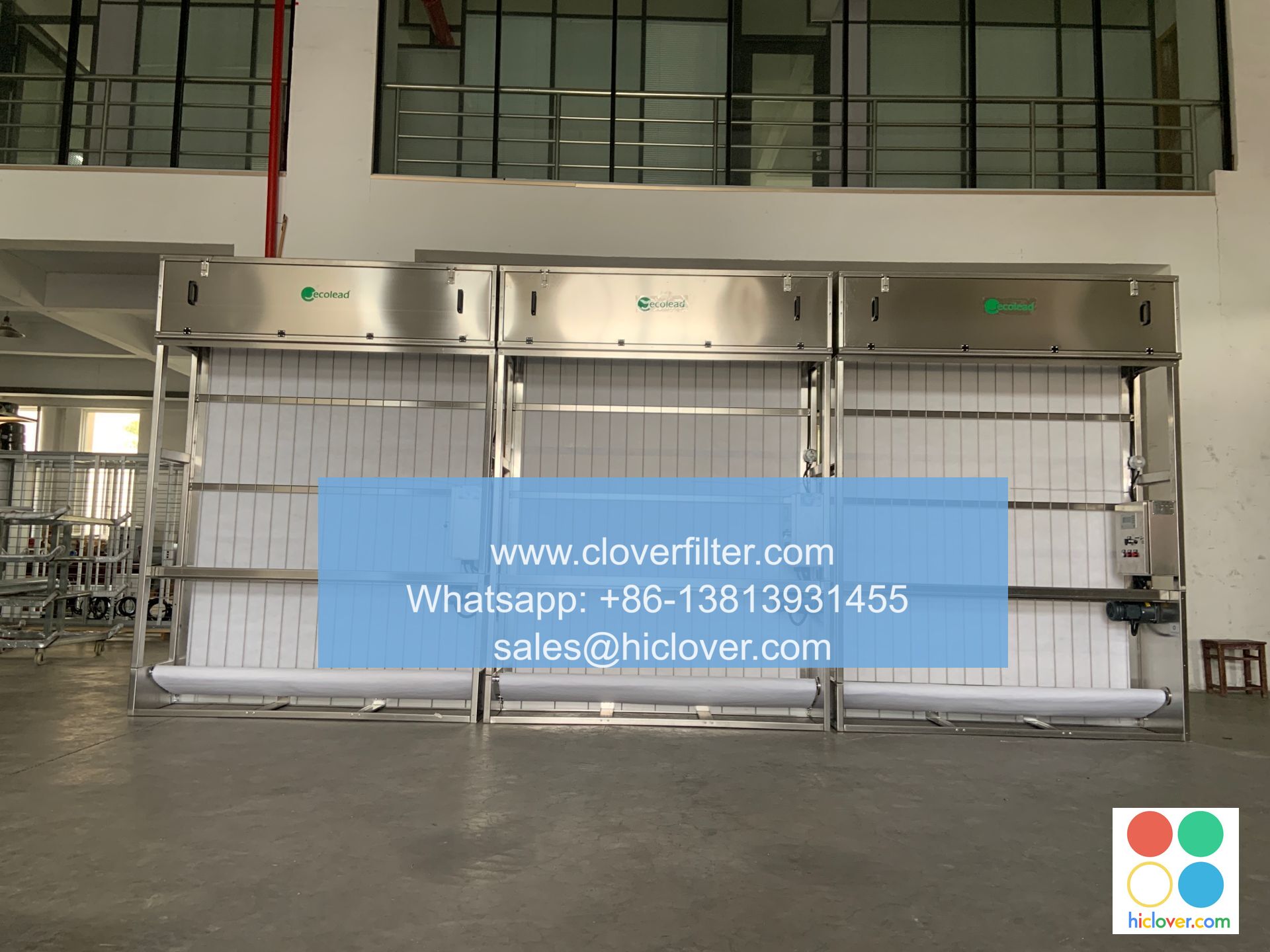
The increasing need for air quality control and purification has led to the development of various air filtration systems, including Automatic Roll Air Filters (ARAFs). These systems have been gaining popularity in different application areas, such as industrial air pollution control, commercial HVAC systems, and residential air purification. To better understand the perceptions and attitudes of researchers towards ARAFs, a survey study was conducted among McMaster researchers. This article aims to present the findings of the study, highlighting the benefits, challenges, and potential applications of ARAFs.
Methodology and Participants
The survey study was conducted among a group of researchers at McMaster University, with a diverse range of expertise in fields such as mechanical engineering, chemical engineering, and . The participants were asked to complete an online questionnaire, which included questions about their familiarity with ARAFs, perceived benefits and drawbacks, and potential application areas.
Results and Discussion
The results of the survey study showed that the majority of the researchers (80%) were familiar with ARAFs and had a positive perception of their effectiveness in air pollution control and indoor air quality improvement. The most commonly cited benefits of ARAFs were their high filtration efficiency, low maintenance costs, and energy efficiency. However, some researchers also noted the potential drawbacks of ARAFs, such as their high initial costs and limited flexibility in terms of filter replacement.
Application Areas of Automatic Roll Air Filters
The survey study also explored the potential application areas of ARAFs, including:
* Industrial air pollution control: ARAFs can be used to control air pollution in industrial settings, such as manufacturing plants and warehouses.
* Commercial HVAC systems: ARAFs can be integrated into commercial HVAC systems to improve indoor air quality and reduce energy consumption.
* Residential air purification: ARAFs can be used in residential settings to improve indoor air quality and reduce the risk of respiratory problems.
* Medical facilities: ARAFs can be used in medical facilities to control the spread of airborne pathogens and improve patient outcomes.

Conclusion and Future Directions
The survey study provides valuable insights into the perceptions and attitudes of McMaster researchers towards ARAFs. The results highlight the potential benefits and challenges of ARAFs and identify potential application areas. Future studies can build on these findings to explore the feasibility and effectiveness of ARAFs in different contexts, including smart buildings, industrial processes, and environmental monitoring. Overall, the study suggests that ARAFs have the potential to play a significant role in improving air quality and reducing the risk of respiratory problems in various settings.
