McMaster University’s Approach to Research Lab Air Quality Management: Automatic Roll Air Filters
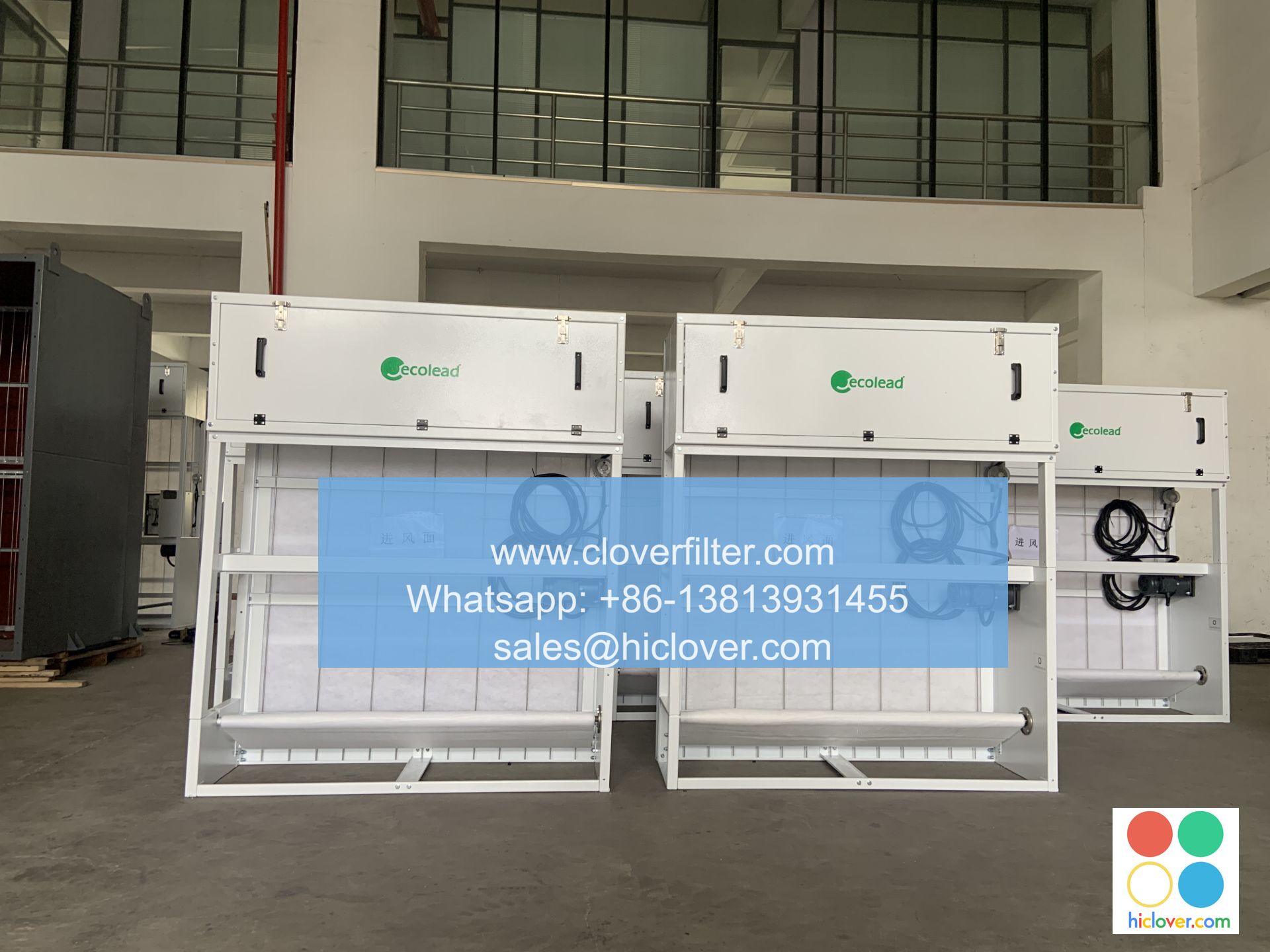
As environmental concerns and health awareness continue to grow in academia, McMaster University has positioned itself at the forefront of research lab air quality management. Using innovative technology, the institution is enhancing the safety and operational efficiency of its laboratory environments.
The Importance of Air Quality in Research Labs

Research laboratories often involve the use of chemicals and materials that can release volatile compounds and contaminants into the air. Maintaining optimal air quality is crucial not only for the health of researchers but also for the integrity of experiments and overall lab functionality. Poor air quality can lead to health risks such as respiratory illnesses and hindered research outcomes.
Automatic Roll Air Filters: The Innovation
To combat these challenges, McMaster University has implemented automatic roll air filters in its research labs. These state-of-the-art systems utilize advanced filtration technology designed to actively manage air quality by trapping harmful particles and gases while ensuring the seamless flow of clean air. This innovation exemplifies the university’s commitment to fostering a safe and productive research environment.
Features of Automatic Roll Air Filters
- Continuous Monitoring: These filters provide real-time data about air quality, enabling swift action to be taken if contaminants exceed safe levels.
- Energy Efficiency: The automatic mechanisms optimize filter usage, ensuring prolonged lifespan and reduced waste.
- Seamless Integration: They can be easily integrated into existing lab infrastructures without significant alterations.
Applications Across Various Research Domains
The use of automatic roll air filters at McMaster University spans several application areas, enhancing both safety and research capabilities:
Biological Research
In microbiology and biotechnology laboratories, maintaining sterile environments is critical. Effective air filtration reduces the risk of contamination, ensuring that experiments yield accurate and reliable results.
Chemical Engineering
Laboratories dealing with hazardous chemicals benefit significantly from automatic air filtration. Removing toxic fumes and particulate matter helps protect researchers and maintains compliance with safety regulations.
Material Science
In material science, experiments can produce particulate matter that may skew results. Advanced air quality management ensures consistent environmental conditions, allowing precise analysis and development of new materials.
Conclusion
McMaster University’s innovative use of automatic roll air filters sets a benchmark in the field of research lab air quality management. By prioritizing air quality, the university not only safeguards the health of its researchers but also enhances the integrity and success of its scientific endeavors. As environmental concerns continue to evolve, McMaster is poised to lead the charge in developing sustainable and efficient laboratory practices.
