Measuring Air Filter Dimensions: Tips for Accurate Sizing
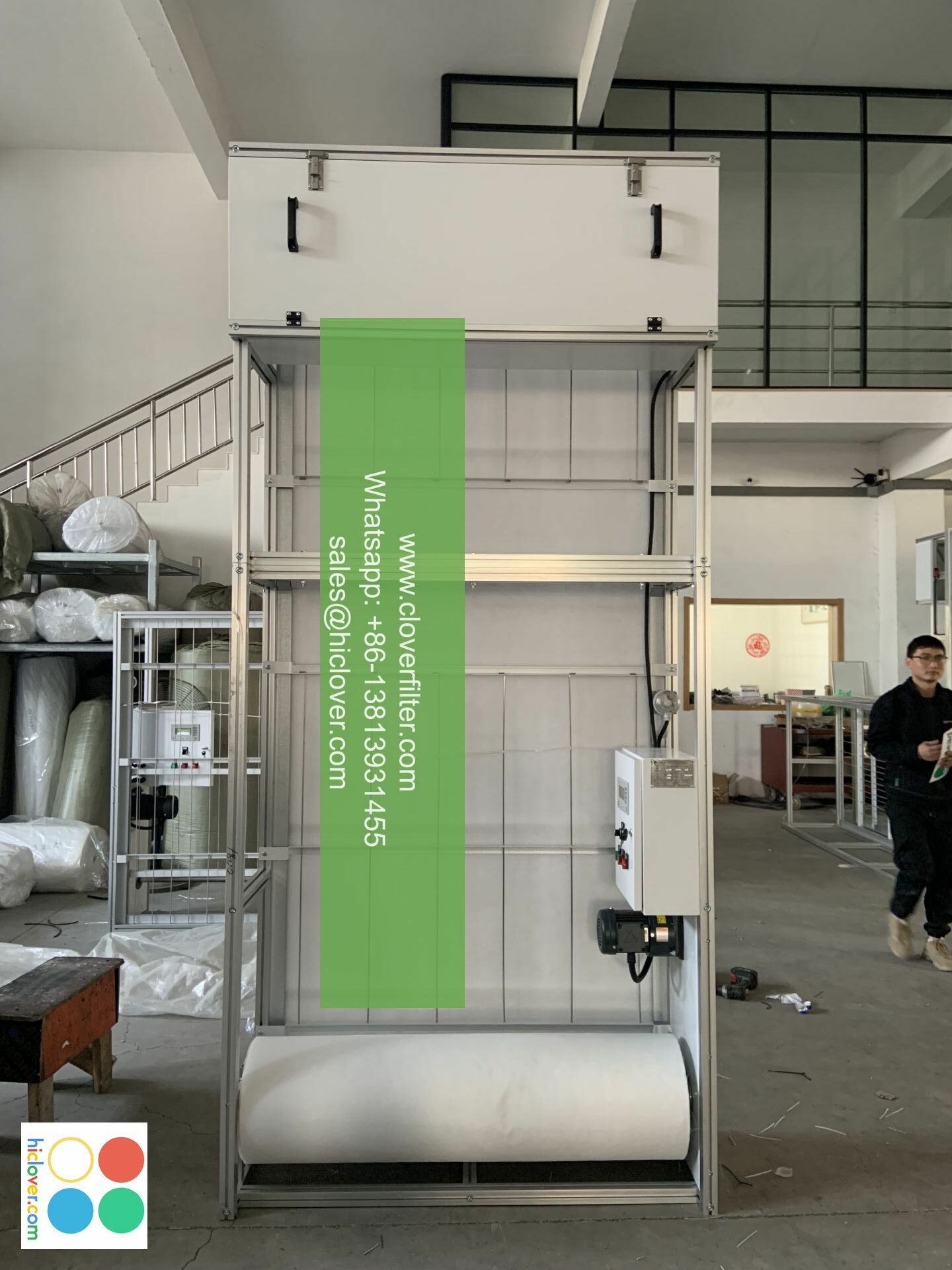
Key Takeaways:
- Accurate air filter dimensions are crucial for optimal air quality and system efficiency.
- Determine the right airflow range and face velocity based on your system’s requirements.
- Understand the media dimensions and frame sizes for effective filter installation.
- Avoid common sizing mistakes to ensure long-lasting filter performance.
- Consider the implications of differential pressure and maintenance needs for different filter types.
-
Roll Media Advance Logic: The filter automatically dispenses fresh media when the existing media reaches a predetermined level of saturation, which can be monitored using differential pressure sensors.
-
Differential Pressure Trigger: When the pressure drop across the filter exceeds a specific threshold, it triggers the system to advance the roll, ensuring consistent air quality without manual intervention.
-
Timer Mode: Many systems include a timer feature, allowing pre-set intervals for media advancement, accommodating varying airflow demands.
-
Airflow Range: Assess the required airflow rates for your specific application, ensuring the filter can handle the volume without excessive pressure drops.
-
Face Velocity: Determine the suitable face velocity. Higher velocities can capture more particulates but may lead to increased energy costs.
-
Media Width/Length: Measure the dimensions of the existing filter slot, ensuring the new filter’s dimensions match exactly to maintain system integrity.
-
Frame Size: Consider the frame size for proper installation. Ensure that it can accommodate various media widths and lengths while providing robust support.
-
Control Options: Choose filters with control capabilities that suit your system needs, such as integrating with existing HVAC controls.
-
Power Supply: Ensure the filtration system’s power requirements align with your facility’s electrical infrastructure.
-
Installation Location: Filters positioned at the fresh air intake will face different challenges than those installed in return or process air applications.
- Incorrect Measurements: Always double-check dimensions and avoid assumptions.
- Ignoring Airflow Requirements: Consider the total airflow for accurate filter sizing.
- Neglecting Pressure Drop: Evaluate differential pressure to select the right filter type.
- Overlooking Frame Size: Ensure the filter frame complements the media width and length.
- Forgetting Maintenance Intervals: Factor in maintenance schedules when selecting filter types.
- Misjudging Filter Location Needs: Understand the requirements for the filter’s specific installation location.
- Failing to Assess Control Options: Choose filters with compatible control systems for accurate operation.
- Assuming One-Size-Fits-All: Each application may require unique filter dimensions and types.
-
Data Center: A major tech firm utilized automatic roll air filters to control particulate levels, resulting in improved energy efficiency and reduced maintenance. The filter dimensions closely matched the existing ductwork specifications, ensuring optimal airflow.
-
Lithium Battery Factory: Implementing an automatic roll air filter allowed for consistent particulate control in a critical environment, reducing contamination and meeting stringent regulatory requirements for air quality.
-
Paint Shop: A mid-sized manufacturing plant incorporated an automatic roll air filter in its spray booths for effective control of paint overspray and particulates, leading to enhanced product quality and lower VOC emissions.
-
Textile/Cement Plant: By switching to automatic roll air filters, the plant successfully maintained air quality standards while significantly decreasing the frequency of filter changes.

Understanding Air Filter Dimensions
Measuring air filter dimensions is a critical process for HVAC systems in diverse industries, from cleanrooms to data centers. The size and type of air filter can significantly impact air quality, system efficiency, and ongoing maintenance efforts. Filters need to fit perfectly in their designated slots to maintain optimal airflow and avoid pressure drops. This article provides valuable insights for procurement managers, HVAC engineers, and facility managers on how to accurately measure air filter dimensions for optimal performance.

What is an Automatic Roll Air Filter?
An Automatic Roll Air Filter is a sophisticated system designed for efficient filtration across various applications in HVAC and air handling units (AHUs). This type of filter utilizes a roll media advanced logic system, where a fresh media roll is periodically deployed as the previous layer becomes saturated with particulates.
How It Works
The operation of an Automatic Roll Air Filter typically involves:
This type of filter fits seamlessly into HVAC systems, serving as a crucial element in fresh air intake, make-up air, and pre-filter applications.
Practical Selection Guide for Air Filter Dimensions
When selecting an air filter, it’s essential to consider several factors related to air filter dimensions. Here’s a practical guide to aid you in making informed decisions:
Air Filter Comparison Table
| Filter Type | Best Use Case | Maintenance | Pressure Drop Behavior | Operating Cost | Typical Risk/Downside |
|---|---|---|---|---|---|
| Automatic Roll Air Filter | High-traffic areas requiring consistent performance | Low, automated media change | Minimal, with proper design | Moderate, energy-efficient | Limited manual control |
| Bag Filter | High-particle load applications | Moderate, manual replacements | Moderate, can be higher in high-load scenarios | Moderate | Regular monitoring required |
| Panel Filter | General HVAC use | High, frequent replacements | High, leading to energy loss | Low, but adds up | Short lifespan, less efficient |
| V-bank Filter | Large volume spaces | Moderate, less frequent than panels | Lower than panels but varies | Moderate to high | Risk of saturation under heavy loads |
Common Mistakes & How to Avoid Them
Real-World Scenarios
FAQ Section
Q1: How do I measure air filter dimensions correctly?
A1: Use a tape measure to record the width, height, and depth of the existing filter. Be sure to measure the frame and media separately.
Q2: What is the ideal face velocity for air filters?
A2: The ideal face velocity depends on the application. Generally, a lower face velocity reduces pressure drops but may require larger filters.
Q3: How do automatic roll air filters help with maintenance?
A3: They automatically advance the media, which minimizes the need for manual replacements and lowers maintenance costs.
Q4: Is differential pressure important in filter selection?
A4: Yes, it determines when to change the filter and affects the overall system efficiency.
Q5: What standards apply to air filters?
A5: Filters typically adhere to ISO 16890 or MERV concepts; however, specific certification details should be confirmed with the manufacturer.
Q6: Can I use automatic roll air filters in all HVAC systems?
A6: While versatile, they are most effective in environments with high airflow demands and consistent particulate control needs.
Conclusion
Choosing the right air filter dimensions is pivotal in ensuring air quality and system efficiency in various industrial applications. Automatic Roll Air Filters from CloverFilter provide an effective solution with their innovative roll media technology, tailored to meet diverse operational requirements. For more information on selecting the right air filter for your needs, visit CloverFilter or reach out through our contact page at CloverFilter Contact.
Meta Description: Discover essential tips for measuring air filter dimensions for optimal sizing, ensuring efficient performance and air quality in industrial environments.
It seems like your message got cut off! Could you please provide more details or context for what you need? Whether it’s a writing prompt, a question, or something else, I’m here to help!
